



خدمات ثني البلاستيك بالحرارة حسب الطلب | مصنع متخصص يتمتع بخبرة تزيد عن 13 عامًا
- الصفحة الرئيسية /
- الانحناء الحراري
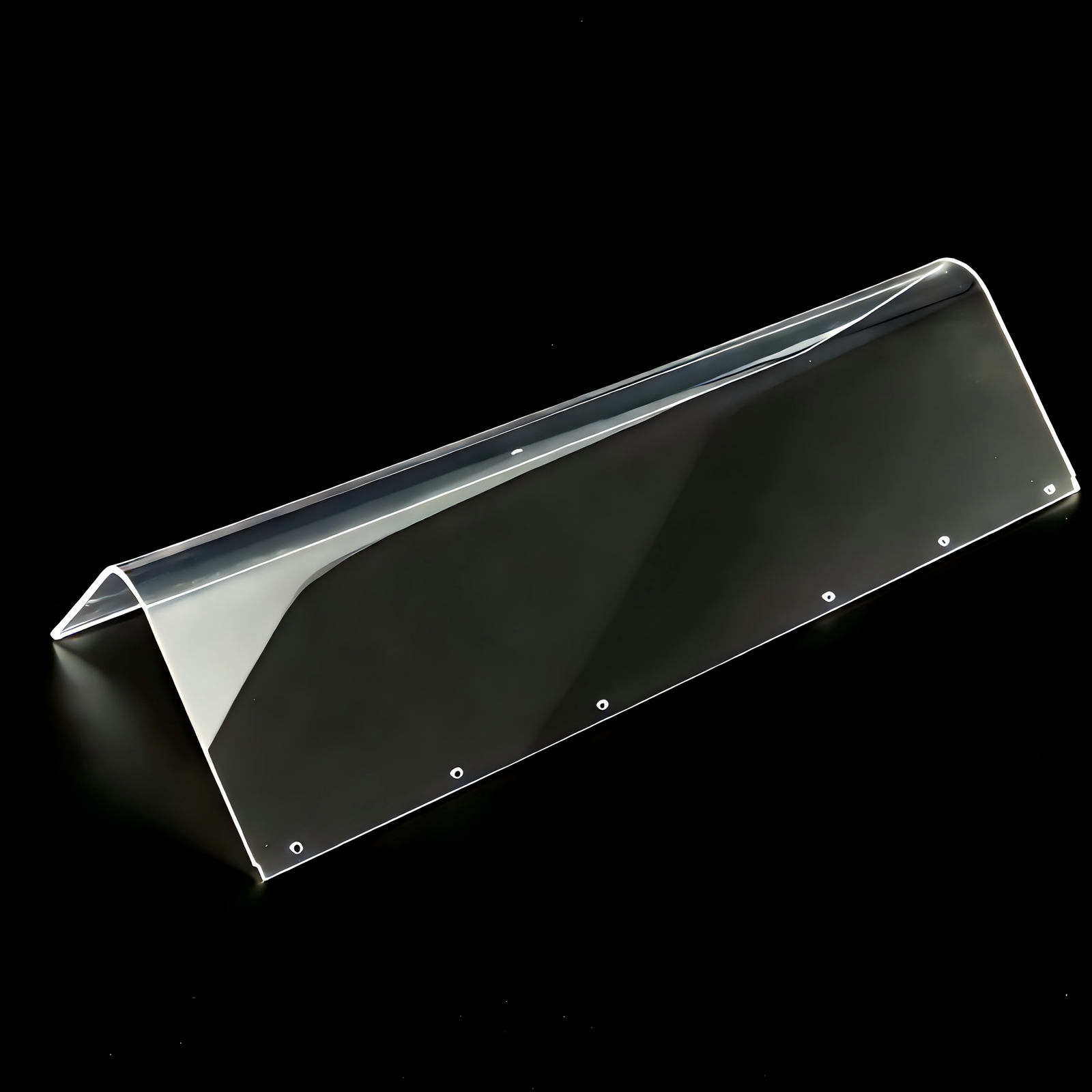
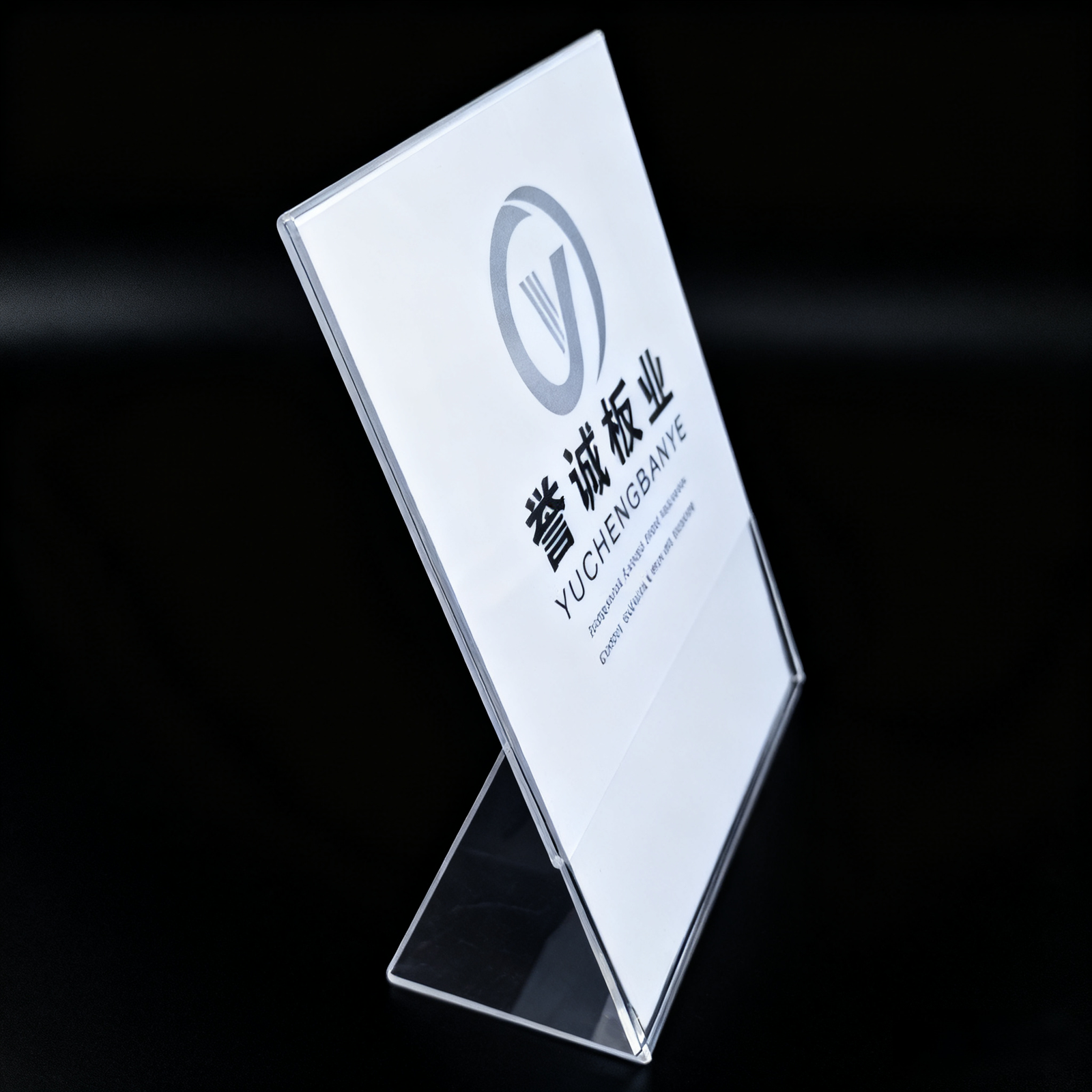
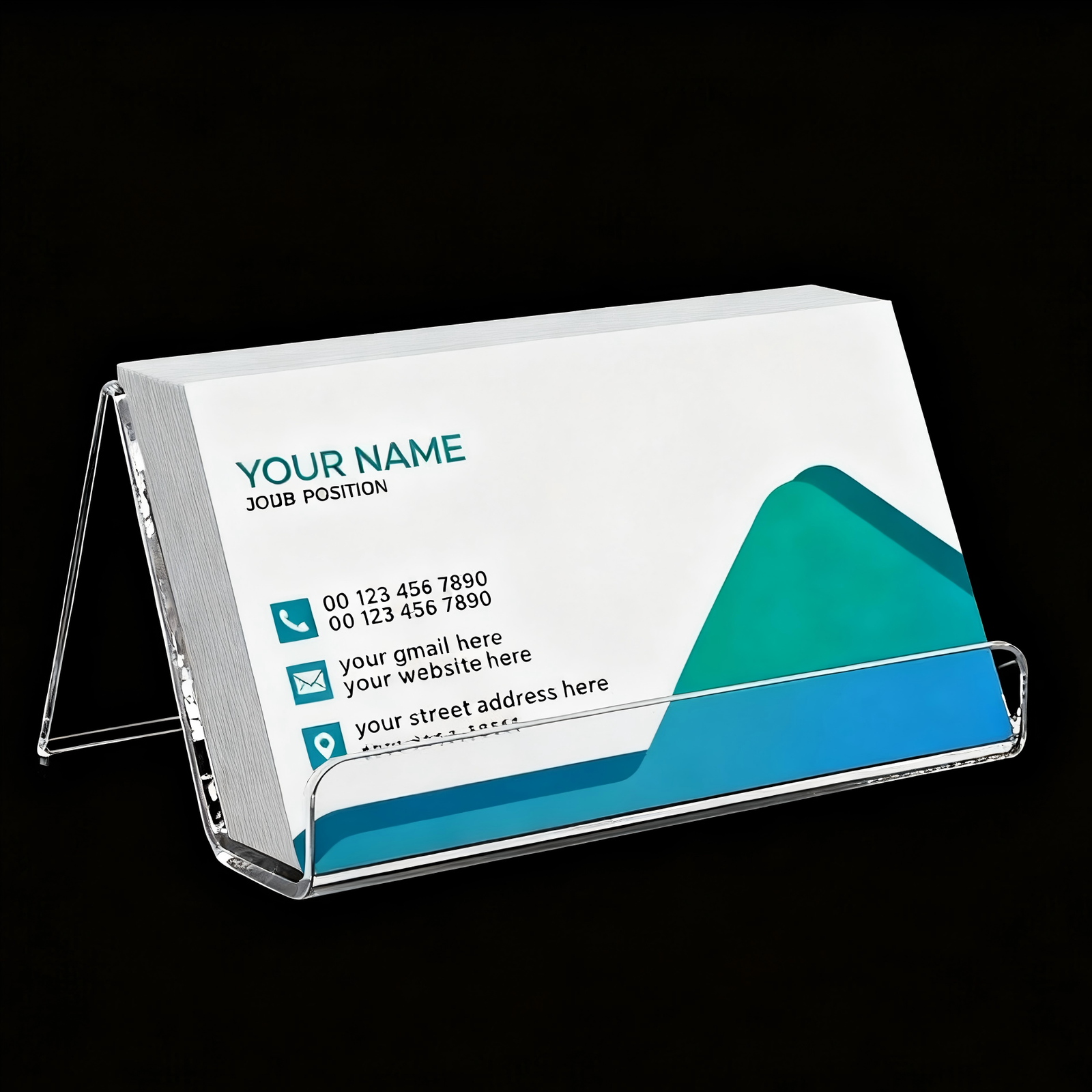
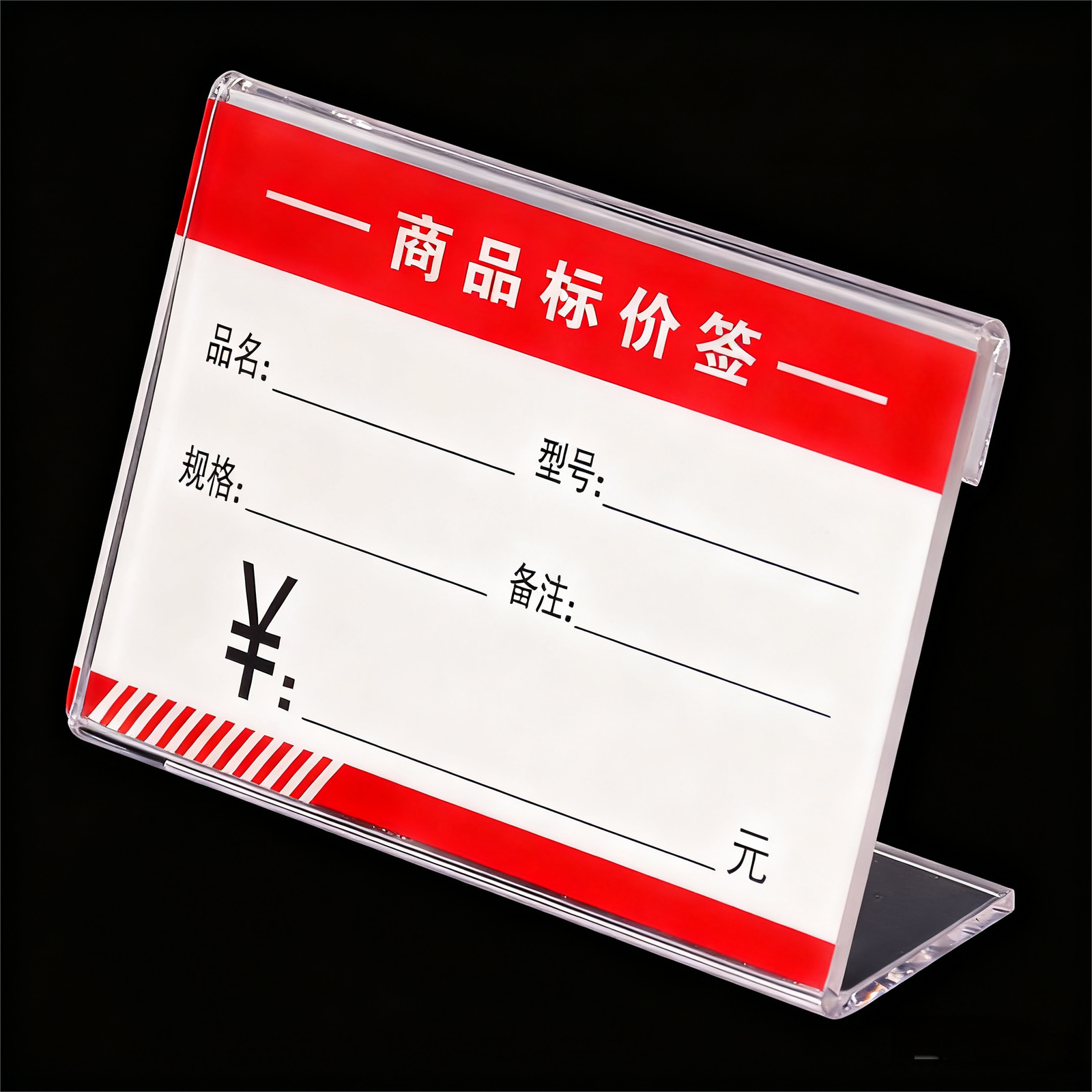
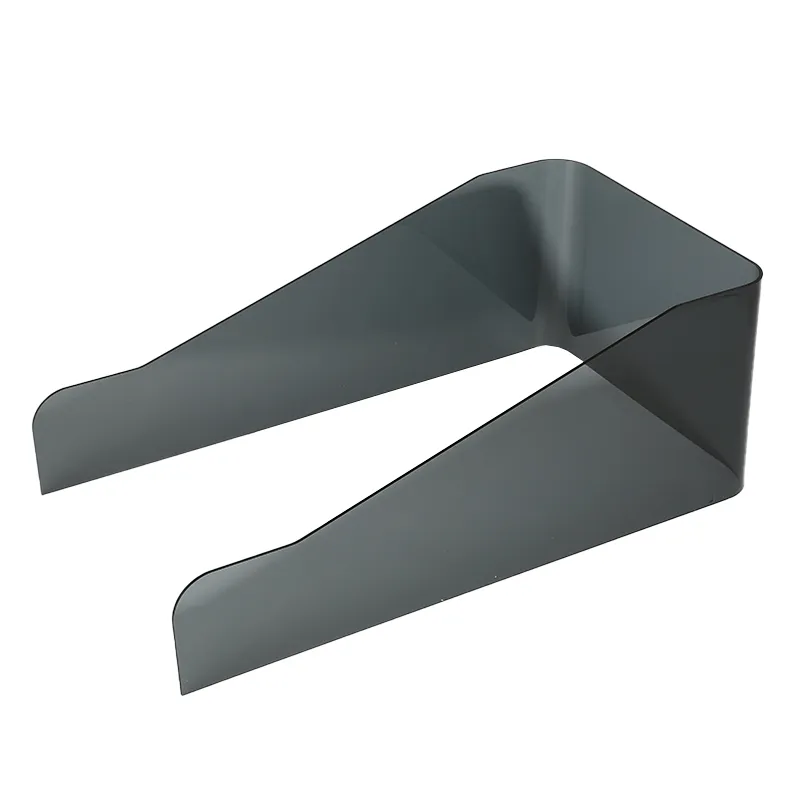
خدماتنا في مجال الثني بالحرارة
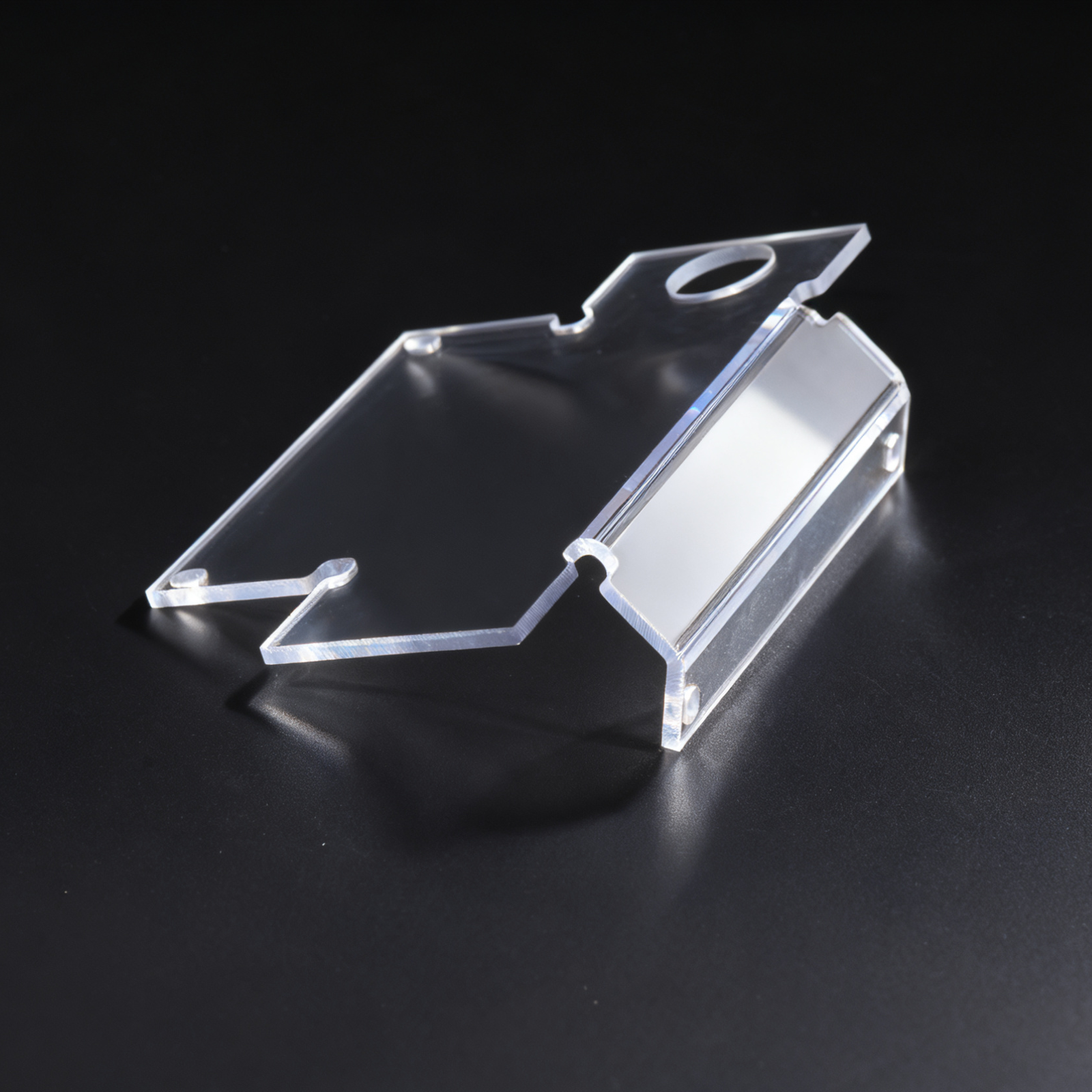
يُعرف «الانحناء الحراري» (المعروف أيضًا باسم «الانحناء الخطي» أو «الانحناء الحراري») بأنه عملية تصنيع دقيقة للبلاستيك، حيث يتم تسخين لوح من البلاستيك الحراري على طول خط مستقيم باستخدام سخان شريطي حتى يصبح مرنًا، ثم يُثنى إلى الزاوية المطلوبة ويُثبت في مكانه حتى يبرد. تسمح هذه العملية بالحصول على زوايا حادة ونظيفة دون الحاجة إلى القطع أو اللصق، مما يحافظ على سلامة هيكل المادة.
نقدم خدمات احترافية في مجال معالجة ثني الصفائح بالحرارة. وبالاعتماد على آلات الثني الأوتوماتيكية المتطورة، وعناصر التسخين الدقيقة التي يتم التحكم في درجة حرارتها، وتركيبات التبريد المخصصة، نقوم بمعالجة مواد عالية الجودة تشمل الأكريليك (PMMA)، والبولي كربونات (PC)، وABS، وPETG، وPVC. يمكننا تخصيص منتجات عالية الدقة أغطية واقية, ، وشاشات العرض الإلكترونية، وحاملات اللافتات، وشاشات عرض قوائم الطعام، والمزالق الصناعية، والأغلفة البلاستيكية على شكل حرف U أو V.
نحن نقدم تصميمات مخصصة وفقًا لمتطلباتك الرسومات (STEP، DWG، DXF) أو عينات من مرحلة النماذج الأولية إلى الإنتاج بكميات كبيرة. تتوفر خدمات متكاملة شاملة تشمل القطع بالليزر، والتلميع بالماس، وثني الخطوط، والتجميع النهائي.
المشاركة : مشاركة
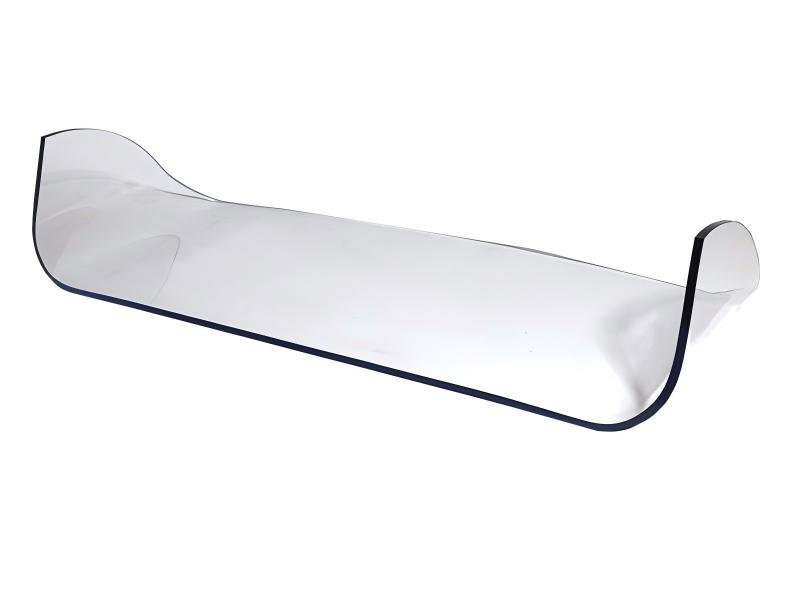
كيفية العمل (عملية الثني بالحرارة)
يتطلب الحصول على ثني حراري مثالي دون ظهور فقاعات أو تشوهات التحكم الدقيق في درجة الحرارة والتعامل بخبرة.
- القطع الدقيق: تقطيع الألواح البلاستيكية مسبقًا باستخدام آلات الحفر بالتحكم الرقمي (CNC) أو القطع بالليزر وفقًا للأبعاد المحددة بدقة.
- التدفئة الموضعية: وضع لوح بلاستيكي فوق سخان شريطي متخصص لتسخين الخط أو المنطقة المحددة التي تحتاج إلى ثني فقط.
- تشكيل الزوايا: بمجرد وصول المادة إلى درجة انصهارها المثالية، يتم ثنيها بسرعة فوق قالب مصمم خصيصًا للوصول إلى الزاوية المطلوبة (مثل 45 درجة، 90 درجة).
- التبريد والتصلب: تثبيت القطعة بإحكام في جهاز التبريد لمنع الارتداد وضمان ثبات الأبعاد.
- مراقبة الجودة والتشطيب: فحص زوايا الانحناء، والتأكد من الوضوح البصري (عدم وجود علامات ارتفاع درجة الحرارة)، وإجراء عملية تلميع الحواف النهائية.

المواد والمواصفات الفنية
- الأكريليك (PMMA): أفضل مادة على الإطلاق للثني بالحرارة؛ تمنحك حوافًا مثنية خالية من العيوب وشفافة تمامًا.
- البولي كربونات (PC): يتطلب تجفيفًا مسبقًا دقيقًا لتجنب ظهور الفقاعات، ولكنه ينتج عنه أجزاء منحنية فائقة القوة ومقاومة للصدمات.
- PETG / ABS / PVC: مثالي للمكونات الصناعية، حيث يوفر متانة عالية وزوايا دقيقة.
القدرة ونطاق السماكة
نطاق السماكة: 1 مم – 15 مم (ثبات في انحناء الخط لمختلف المقاسات)
أقصى طول للانحناء: حتى 2440 مم (تتوفر انحناءات طويلة جدًّا حسب الطلب)
دقة الزاوية: تحكم عالي الدقة داخل $ ± 1 درجة $ باستخدام قوالب تبريد متطورة.
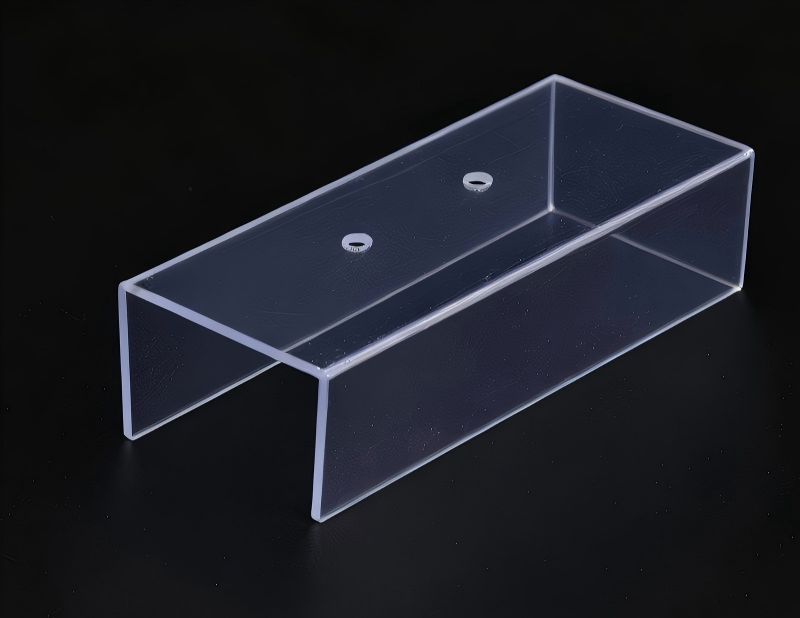
التطبيقات
شاشات العرض والتجزئة: لافتات أكريليك شفافة، وحاملات كتيبات، وحوامل قوائم طعام، وركائز عرض.
عناصر الحماية الصناعية: واقيات الآلات، وواقيات الرذاذ، وقنوات النقل على شكل حرف U.
العلب الإلكترونية والطبية: أغطية مخصصة، وواقيات من الغبار، وألواح أمامية للأجهزة.
معدات المكاتب والمختبرات: أغطية وصناديق مقاومة للمواد الكيميائية، ومنظمات مكتبية مصممة حسب الطلب.
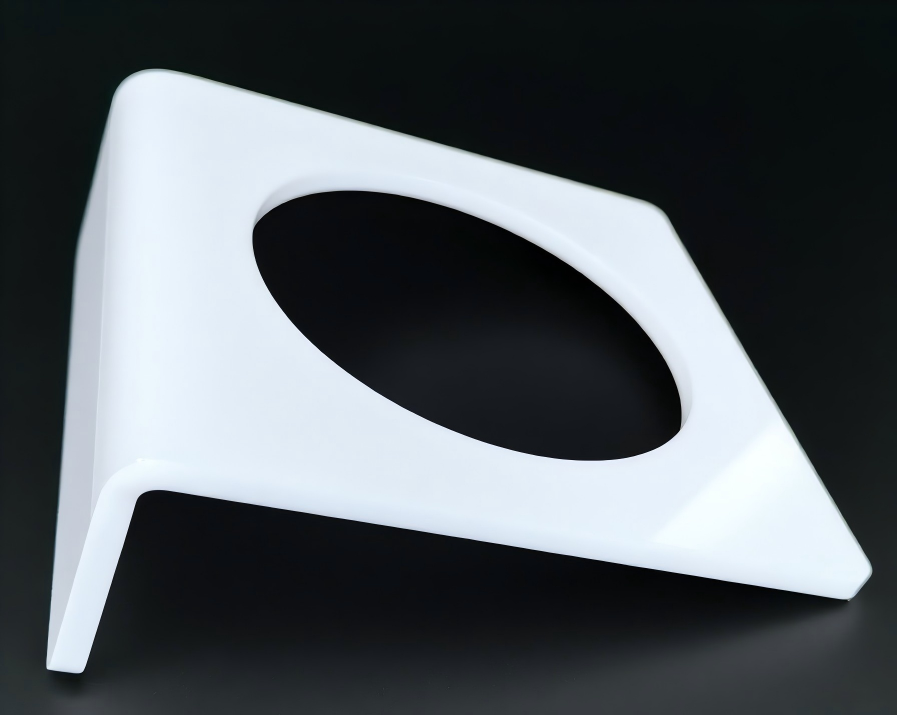
المزايا الرئيسية للثني بالحرارة
بدون وصلات ومقاومة للتسرب: يُصنع الزوايا الهيكلية من قطعة بلاستيكية واحدة، مما يلغي الحاجة إلى الوصلات الملصقة ونقاط الضعف أو خطر التسرب.
تكلفة أدوات تصنيع منخفضة للغاية: لا حاجة إلى قوالب باهظة الثمن، مما يجعلها خيارًا اقتصاديًا للغاية سواء بالنسبة للنماذج الأولية الصغيرة أو لطلبات الإنتاج بكميات كبيرة مقارنةً بالقولبة بالحقن أو التشكيل بالتفريغ.
لمسة نهائية جمالية خالية من العيوب: وبالاقتران مع عملية التلميع بالماس التي نقدمها، تضمن الحواف المنحنية وضوحًا بصريًا استثنائيًا وأسطحًا ناعمة.
تنوع التصميم: يتيح إجراء عدة ثنيات متوازية على لوح واحد لإنشاء أشكال معقدة مثل الصواني والصناديق وأغطية الأجهزة الإلكترونية.
الجودة والدقة
فحص المواد الخام → تسخين شريطي مع تحكم دقيق في درجة الحرارة → نظام تبريد مخصص → فحص الزوايا والأبعاد → الفحص النهائي لمظهر المنتج النهائي.
نحن نضمن ثبات زوايا الانحناء، وعدم وجود أي عيوب على شكل فقاعات، وتشطيبات ناعمة في جميع عمليات الإنتاج بكميات كبيرة.
لماذا تختارنا
- أكثر من 13 عاماً من الخبرة في تصنيع الآلات البلاستيكية
- معدات الثني والتشغيل الآلي المتقدمة
- الفنيون المهرة
- دعم مخصص لتصنيع المعدات الأصلية وأوديما (ODM)
الأسئلة الشائعة
س: ما الفرق الرئيسي بين الثني بالحرارة و بارد الانحناء?
A: يستخدم الثني بالحرارة حرارة مركزة لتليين البلاستيك، مما يجعله خيارًا مثاليًا لتشكيل زوايا حادة ودائمة في مواد مثل الأكريليك والبولي كربونات السميك. الانحناء البارد تتم هذه العملية في درجة حرارة الغرفة دون استخدام الحرارة، وهي مناسبة تمامًا للمواد المرنة عالية الصلابة مثل ألواح البولي كربونات الرقيقة التي يتم ثنيها بنصف قطر كبير.
س: هل يتشكل فقاعات على البولي كربونات (PC) أثناء عملية الثني بالحرارة؟
A: يمتص البولي كربونات الرطوبة من الهواء بشكل طبيعي. وعند تسخينه مباشرة، تتبخر الرطوبة وتؤدي إلى ظهور فقاعات. ويقوم فنيونا بمنع حدوث ذلك عن طريق تجفيف ألواح البولي كربونات مسبقًا في فرن متخصص قبل تسخينها، لضمان الحصول على انحناء شفاف تمامًا وخالٍ من الفقاعات.
س: هل يمكنكم عمل عدة انحناءات على لوح بلاستيكي واحد؟
A: نعم، يمكننا ثني خطوط متعددة على لوح واحد لإنشاء أشكال معقدة مثل الصناديق، والأغطية على شكل حرف U، والدعامات على شكل حرف Z، أو واقيات الآلات المتخصصة.
س: ما هي الرسومات التي تقبلونها لعمليات الثني الحراري حسب الطلب؟
A: نحن نقبل ملفات بتنسيقات STP وSTEP وDXF وDWG وPDF. إذا لم يكن لديك سوى عينة مادية، فيمكنك إرسالها إلينا، وسيقوم مهندسونا بتحليلها هندسيًا لتصنيعها.
س: هل تقدمون خدمات تصنيع النماذج الأولية بكميات صغيرة؟
A: نعم! نظرًا لأن عملية الثني بالحرارة لا تتطلب أدوات أو قوالب باهظة الثمن، فإننا نرحب بكل من إنتاج النماذج الأولية بكميات صغيرة والإنتاج الضخم بكميات كبيرة.