






Custom Plastic Mechanical Fastening Services
- Início /
- Fixação mecânica
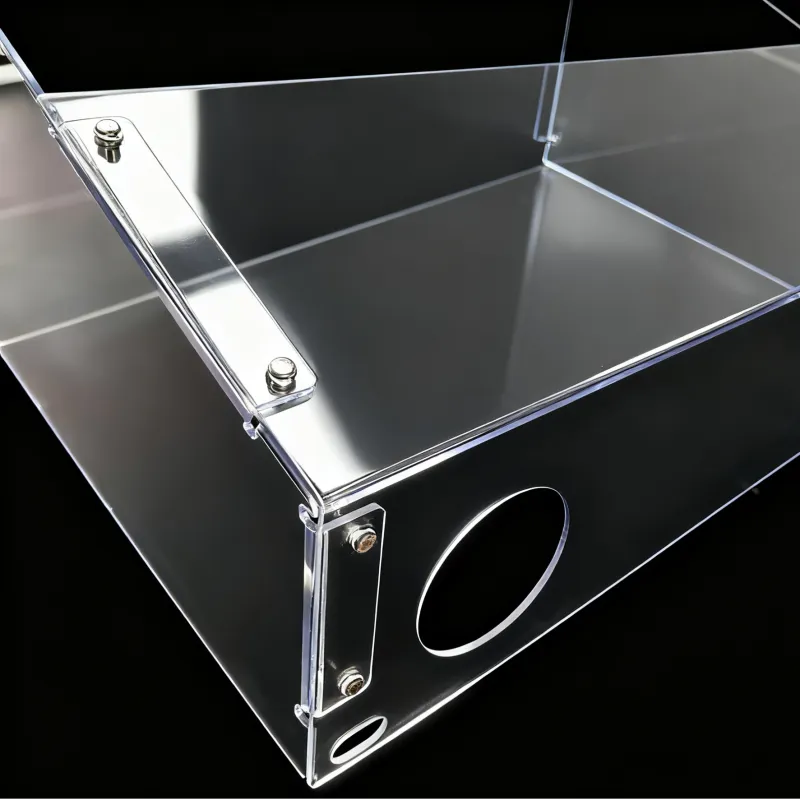
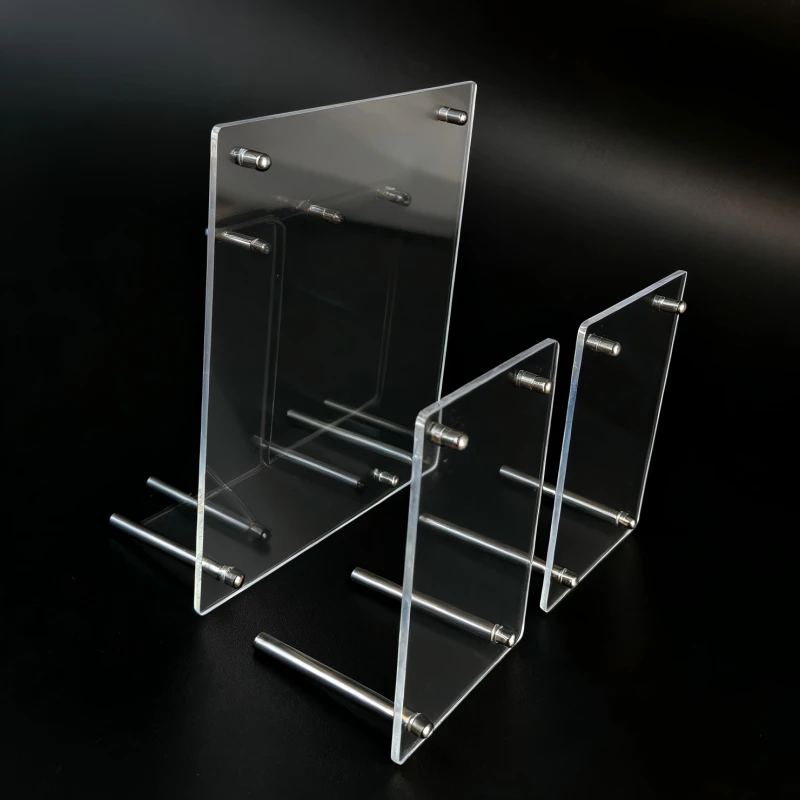
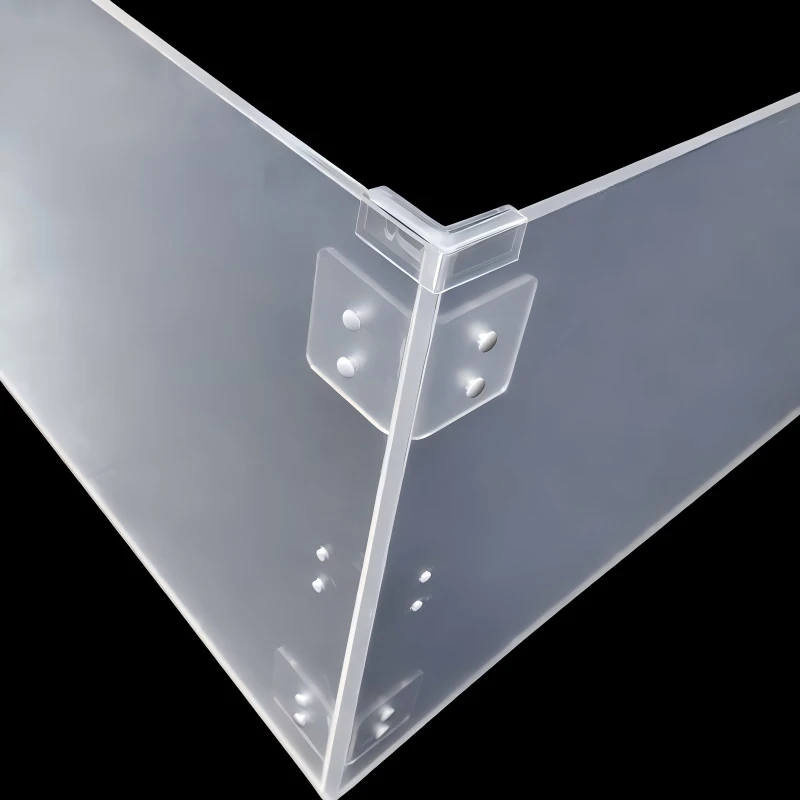
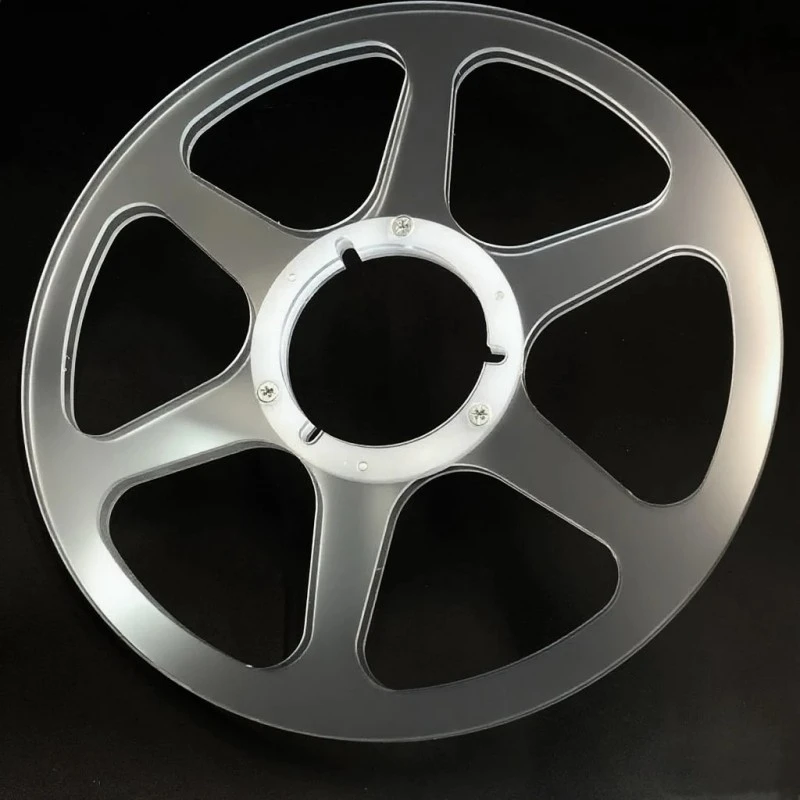
Our Mechanical Fastening Services
Plastic mechanical fastening is a highly reliable structural assembly process used to join thermoplastic sheets, molded profiles, and metal hardware together using physical fasteners. Because engineering plastics are sensitive to localized stress, standard fastening methods can cause cracking or stripping. We utilize advanced torque-controlled equipment, custom counterboring techniques, and specialized inserts (such as ultrasonic or heat-stake threaded brass inserts) to create rugged, serviceable, and high-load mechanical joints.
We professionally provide premium plastic mechanical fastening and hardware insertion services. Utilizing precision insertion presses, pneumatic riveting stations, and multi-axis CNC machining systems, we process high-quality materials including Polycarbonate (PC), ABS, Acrylic (PMMA), PVC and PETG. We can custom-manufacture heavy-duty electrical enclosure cabinets, modular capas de proteção, industrial machinery shields, multi-part clear display assemblies, and rugged structural brackets.
Oferecemos designs personalizados de acordo com as suas desenhos técnicos (STEP, CAD, DXF, DWG) ou amostras. Desde a prototipagem rápida até à produção por contrato em grande escala, oferecemos um serviço verdadeiramente completo, incluindo acabamentos secundários drilling & punching, fresagem e ranhura, threading/tapping, and complete hardware montagem.
Partilhar:
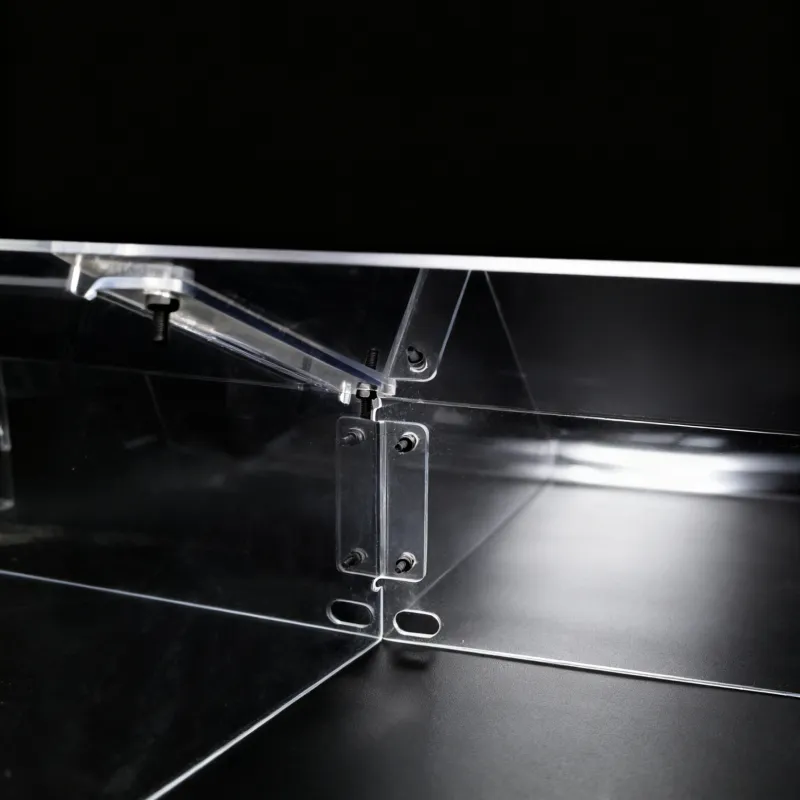
How It Works (The Mechanical Fastening Process)
Engineering robust mechanical joints in thermoplastics requires exact depth profiling and precise hardware installation parameters to prevent material fatigue.
- CAD Joinery Blueprint Review: Analyzing your 3D CAD files to calculate material thicknesses, fastener clearances, countersink depths, and mating alignment coordinates.
- Precision Pilot Machining: Deploying CNC routers to perform precise perfuração and pocket counterboring to ensure fasteners sit perfectly flush or recessed.
Advanced Threaded Insert Installation:
Heat Staking / Ultrasonic Insertion: Pre-heating brass inserts or deploying ultrasonic frequencies to cleanly melt them into pre-molded/drilled holes in plastics like ABS or Polycarbonate for permanent high-torque internal threads.
Press-In Inserts: Using controlled force presses for specific resilient engineering polymers.
Hardware Alignment & Torque Assembly: Aligning multi-part plastic sheets onto custom jig fixtures and securing screws, standoffs, or rivets using precision torque-limited drivers.
- Quality Control & Load Testing: Performing 100% mechanical inspections for thread alignment, structural rigidity, and torque-out resistance before safe batch packaging.
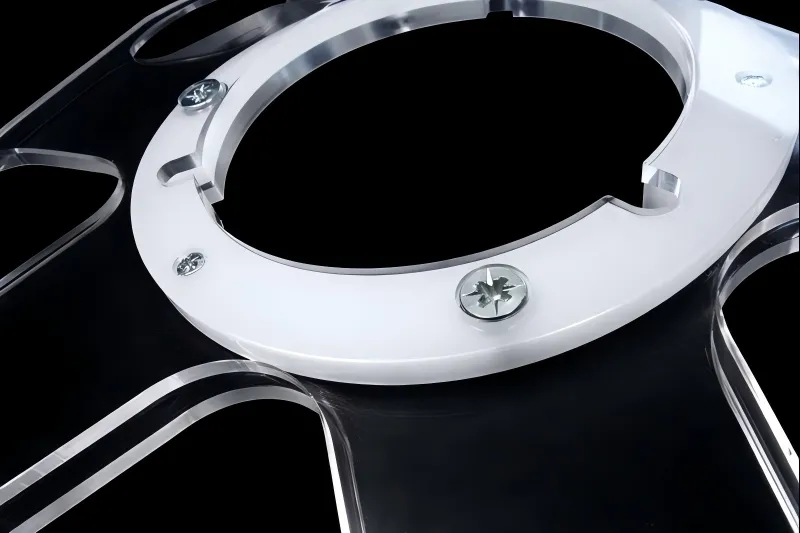
Materiais e especificações técnicas
Materiais compatíveis
ABS & Polycarbonate (PC): The premier polymer choices for threaded insert installations. Highly resilient and impact-resistant, making them perfect for heavy-duty structural casings and industrial electronics enclosures.
Nylon & POM (Delrin): Exceptionally tough and self-lubricating, ideal for holding heavy mechanical screws, hinges, and load-bearing rivets.
Acrílico (PMMA): Brittle by nature, but safely fastened using our specialized countersunk stress-relief spacing washplates and customized torque controls to entirely eliminate cracking.
Technical Capabilities & Fastener Styles
- Threaded Inserts: Brass, Stainless Steel, and Aluminum knurled inserts (Metric M2 – M12, Imperial #4-40 to 1/2″).
- Fastener hardware: Machine screws, shoulder bolts, blind rivets, snap-fit rivets, threaded standoffs, and industrial hinges.
- Joint Configurations: Lap joints, flange joints, interlocking nested slots, corner block brackets, and multi-material (plastic-to-metal) stackings.
- Machining Precision: Countersink and hole location tolerances accurate within ±0,1 mm.
Espessura e gama de tamanhos
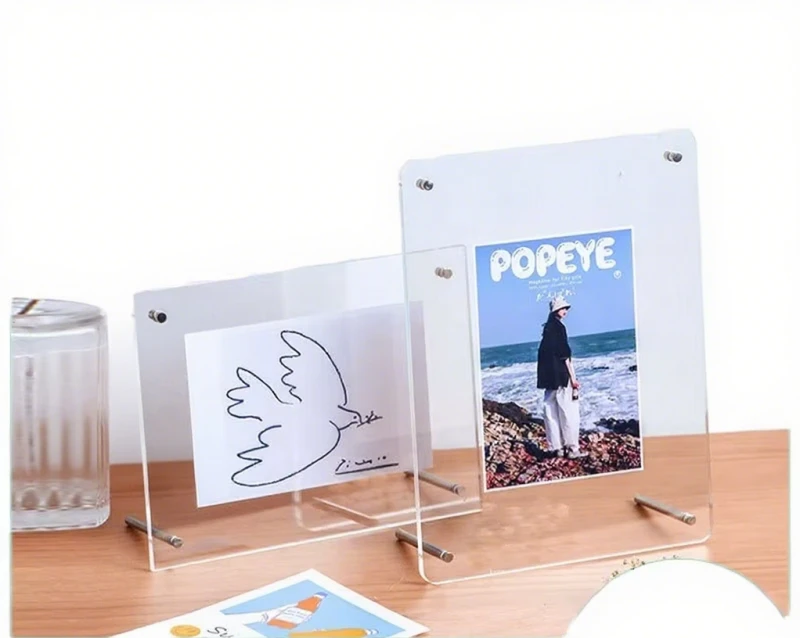
Aplicações
Industrial Enclosure Cabinets: Heavy-duty ABS or polycarbonate control boxes featuring embedded brass standoffs for PCB mounting and stainless steel door hinges.
Modular Machinery Guards: Large polycarbonate clear safety panels with countersunk perimeter holes for bolt-on installation to factory automation framing.
Medical & Laboratory Equipment: Multi-component plastic test housings assembled with sterile, non-corrosive nylon or stainless steel hardware.
Heavy-Duty Structural Elements: Layered plastic framing matrices, electrical switchboards, and transport casings requiring field-serviceable hardware.
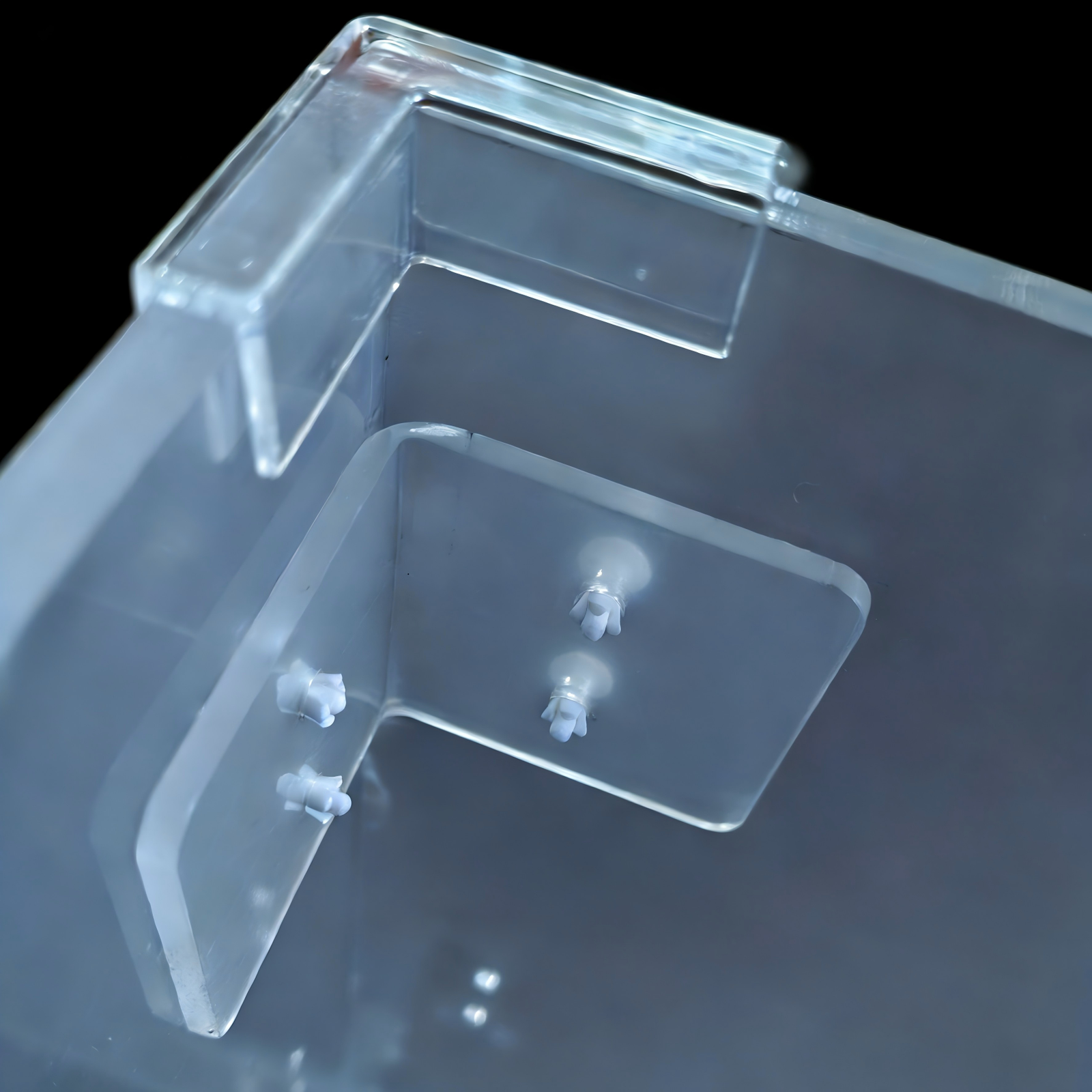
Principais vantagens da fixação mecânica
100% Fully Serviceable & Demountable: Diferente colagem por adesão which permanently fuses materials together, mechanical fastening allows your components to be disassembled, serviced, or upgraded easily, simplifying field maintenance.
High Structural Load Capacity: Fusing knurled metal inserts into plastic panels provides exceptional pull-out and torque-out resistance, enabling the plastic assembly to handle heavy-duty vibrations and structural stresses.
Ideal for Multi-Material Fusing: Seamlessly mechanically connects engineering plastics to completely dissimilar substrates such as aluminum frames, sheet metal plates, hinges, or rubber gaskets.
Zero Chemical Stress: Eliminates the use of solvent adhesives or thermal welding, completely avoiding the risk of cosmetic joint whitening, chemical crazing, or bubbling on optical sheets.
Controlo de qualidade
Drawing specification validation → CNC pilot hole and counterbore machining → Thermal/Ultrasonic hardware insertion setup → First-article torque and retention test → Automated component alignment → Torque-controlled final assembly → Structural rigidity audit.
We guarantee uniform fastening tension, secure insert seatings, and absolute alignment across your entire manufacturing batch.
Porquê escolher-nos
13+ Years of Specialized Thermoplastic Substrate Assembly: Rich engineering expertise in managing torque metrics and stress-relief margins across distinct industrial polymer groups.
Advanced Staking & Pressing Infrastructure: Outfitted with specialized ultrasonic welding and heat-staking pneumatic presses for consistent insert depths.
Comprehensive In-House Fabrication Processing: Effortlessly combine mechanical joinery with companion options like multi-axis Fresagem CNC, corte a laser, e impressão serigráfica.
Apoio B2B fiável diretamente da fábrica: Fast quotation responses, competitive contract pricing, and heavy-duty protective crating for safe global shipping.
FAQ
Q: What is the main difference between Mechanical Fastening and Colagem por adesão?
A: Colagem por adesão uses chemical glues or solvents to fuse parts permanently, which is ideal for seamless, 100% airtight/watertight clear acrylic boxes. Mechanical fastening uses physical screws, rivets, or inserts, making it the perfect choice for complex heavy-duty industrial components that need high structural strength and the ability to be disassembled for maintenance.
Q: Will Acrylic (PMMA) or Polycarbonate (PC) crack around screw holes?
A: If standard screws are driven directly into raw plastic holes with high torque, the localized stress will crack acrylic and cause stress whitening in polycarbonate. We prevent this by machining precision countersinks/counterbores, utilizing specialized load-distributing rubber washers or shoulder bolts, and enforcing strict torque limitations during final assembly.
Q: Why do you use ultrasonic or heat-staking insert installation instead of just gluing hardware in?
A: Gluing metal hardware into plastic provides very weak torque resistance. Heat-staking and ultrasonic insertion temporarily soften the surrounding plastic polymer wall, allowing the knurled metal insert to slide in cleanly. As the plastic cools, it hardens and interlocks perfectly around the metal knurls, creating an incredibly strong thread that can handle repetitive high-torque bolt tightening.
Q: What technical layout files do you require for a custom assembly project?
A: We prefer 3D CAD files in STEP, STP, or IGES formats so our engineering team can evaluate full clearance dimensions, insert depths, and wall alignments. A companion 2D PDF sheet that labels the explicit hardware callouts (e.g., M4 brass insert, stainless steel hinge) is highly recommended.