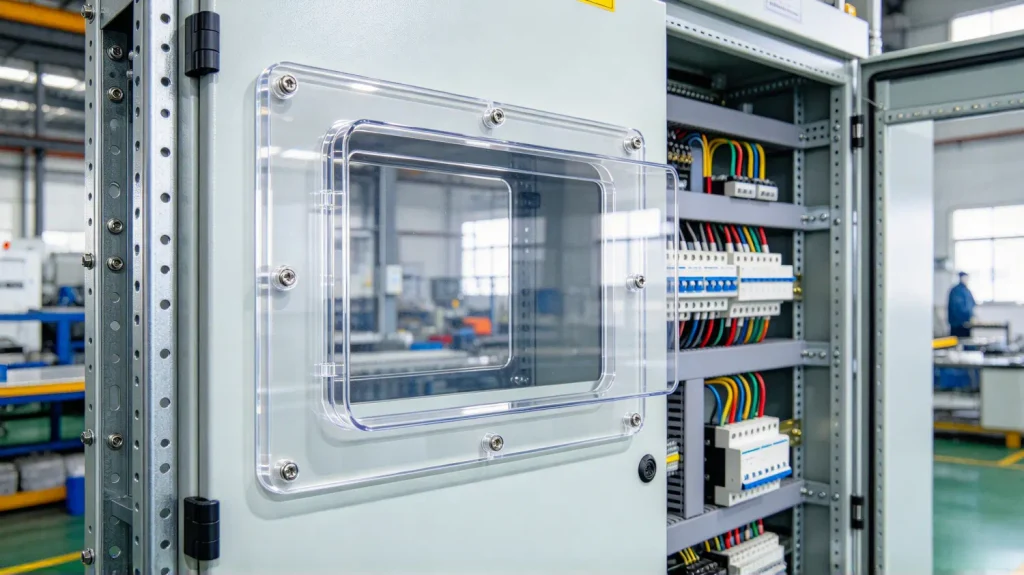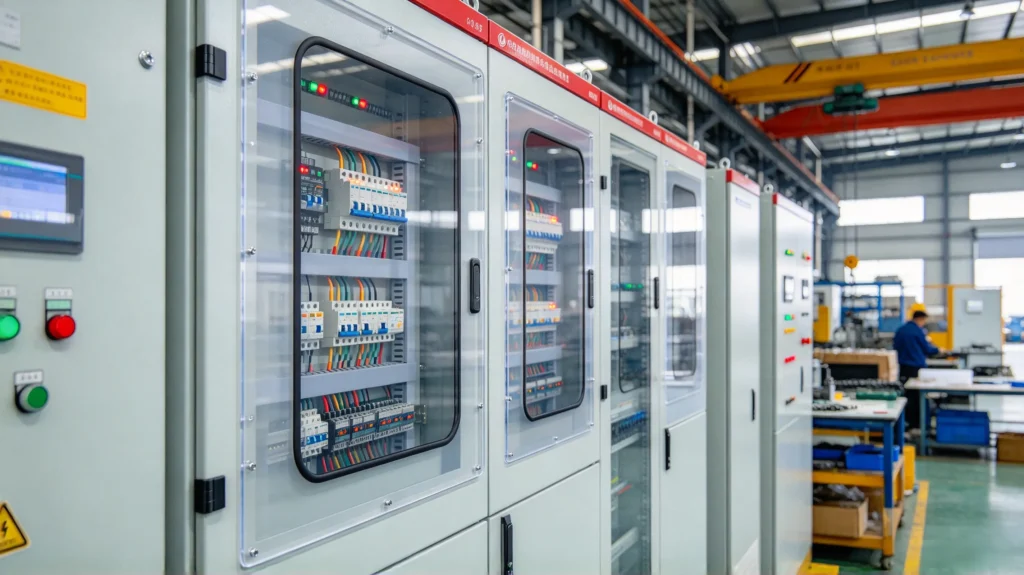
Many engineers and procurement managers working on electrical control cabinets, power enclosures, automation equipment and new energy electric control boxes often face a common problem when selecting cabinet covers. Ordinary metal covers conduct electricity and increase the risk of electrical leakage. Common plastic covers lack toughness and crack easily. They deform under rising temperatures. In these cases, polycarbonate insulation covers for electrical enclosures become a reliable choice for many electrical equipment projects.
PC board, short for chapa de policarbonato, features excellent electrical insulation performance, high toughness, flame retardancy and wide temperature resistance. It is widely used to manufacture polycarbonate insulation covers, which are installed inside or on the surface of electrical cabinets and electric control boxes. These covers isolate live components, prevent accidental contact by operators, block dust, and retain visual windows for inspection. However, a plain polycarbonate sheet cannot be directly used as a polycarbonate insulation cover for electrical enclosures. To meet electrical safety standards and satisfy requirements for cutting, bending and assembly, professional custom fabrication of polycarbonate insulation cover is mandatory.
Many buyers mistakenly believe polycarbonate processing only involves cutting sheets and drilling holes. In real projects, they frequently encounter cracked sheets, sharp burrs, out-of-tolerance dimensions, bending fractures and assembly failures. Most of these troubles are caused by wrong material selection, improper processing technology and insufficient surface treatment.
This article fully breaks down custom fabrication of polycarbonate insulation covers for electrical enclosures, covering material properties, electrical safety requirements, common cover types, full processing workflow, tolerance control, quality inspection, troubleshooting, selection tips and ordering procedures. If you are an R&D engineer, procurement specialist or project manager, this guide helps you choose materials, define processing requirements, inspect finished products and avoid common pitfalls of polycarbonate enclosure cover customization.
1. What is a Polycarbonate Insulation Cover for Electrical Enclosures?

Polycarbonate insulation cover for electrical enclosures refers to protective insulation covers tailored for electrical cabinets, power control boxes and distribution boxes. It uses chapa de policarbonato (PC) as raw material and goes through cutting, CNC milling, drilling, countersinking, bending, polishing, anti-static coating and flame-retardant treatment.
Its two core functions are electrical insulation protection e mechanical protection.
1)Electrical insulation protection: It separates live electronic parts inside cabinets to avoid direct contact and electric shock hazards. This is the reason why we call it polycarbonate insulation cover. Polycarbonate is non-conductive. Polycarbonate sheets of proper thickness can withstand certain voltages and meet insulation requirements for low-voltage electrical equipment.
2)Mechanical protection: It blocks dust, metal debris and splashing liquid to protect circuit boards, terminals and power modules inside enclosures. It resists light impact and will not break into sharp fragments like glass. Compared with acrylic sheet, policarbonato enclosure cover delivers much better impact resistance.
Many electrical cabinets adopt transparent or semi-transparent polycarbonate insulation cover. Transparent designs allow operators to check indicator lights and meters without opening cabinet doors, simplifying on-site maintenance, an advantage metal covers cannot achieve.
Polycarbonate insulation cover for electrical enclosures has wide applications: industrial automation control cabinets, small energy storage electric boxes, charging pile control housings, UPS power enclosures, instrument panel covers, medical electrical control boxes, inverter cabinets, low-voltage distribution box viewing windows and robot control cabinet internal insulation partitions. Requirements for sheet thickness, flame resistance and anti-static performance vary greatly in different scenarios. Almost all projects require custom fabrication of polycarbonate insulation cover, and standard off-the-shelf covers rarely fit perfectly.
One easy confusion to clarify: polycarbonate insulation cover is not equal to an ordinary polycarbonate daylighting panel. Ordinary daylighting polycarbonate sheets are designed for roof lighting, without strict electrical safety standards. Their insulation and flame-retardant indexes may not be qualified. Direct use on electrical cabinets creates serious safety risks. Polycarbonate enclosure covers for electrical equipment must use engineering-grade polycarbonate sheets with verified dielectric strength and flame retardancy.
YUCHENG has focused on custom fabrication of polycarbonate insulation covers for 13 years, serving customers in the electrical equipment, automation and new energy industries. We manufacture customized polycarbonate insulation covers for electrical enclosures with varied thickness, holes, countersinks, bending and anti-static coating based on client drawings or samples. We support small-batch prototyping and mass production. All finished polycarbonate covers are inspected following electrical component standards to guarantee insulation, flame retardancy and assembly performance.
2. Basic Properties of policarbonato Sheets: Why policarbonato Works for Electrical Enclosure Insulation Covers
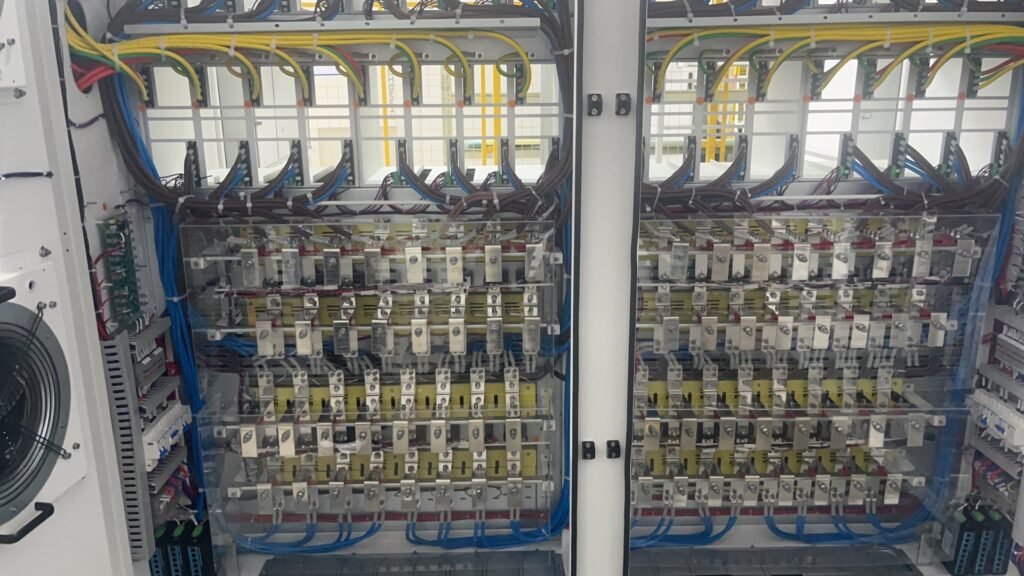
To master custom fabrication of polycarbonate insulation covers, you need to understand polycarbonate material properties first. Poor material selection is the main cause of project failures.
2.1 Electrical Insulation (Core Performance)
Polycarbonate sheet is an outstanding insulating material. Under dry conditions, it has high volume resistivity and does not conduct electric current, which makes it ideal for polycarbonate insulation covers for electrical enclosures. Standard engineering polycarbonate sheets have high breakdown strength, fully satisfying low-voltage scenarios such as 220V and 380V control cabinets. Note: Humidity, oil stains and deep scratches on the sheet surface will reduce insulation performance. Deep scratches weaken insulation. Therefore, the surface of the finished polycarbonate insulation cover must stay intact. For high-humidity working environments, a protective coating can be added during custom fabrication of the polycarbonate insulation cover.
⚠️ Important reminder: polycarbonate insulation cover serves as protective isolation, not a high-voltage insulation component. Standard polycarbonate sheets are not suitable for high-voltage power cabinets. High-voltage applications require upgraded materials and voltage withstand testing. Confirm working voltage with your fabricator before selection.
2.2 Impact Toughness
Polycarbonate sheet’s impact resistance is its biggest advantage over acrylic and PVC. At the same thickness, polycarbonate sheet has far higher impact strength than acrylic. Electrical enclosures suffer bumps during transport and installation. Polycarbonate enclosure cover deforms slightly under impact and rarely shatters. Even damaged polycarbonate will not produce sharp fragments and reduces safety risks on site.
Acrylic cover features good transparency but is brittle. It breaks easily under impact. Many customers initially choose acrylic for cabinet covers and face cracking during delivery. High rework costs push them to switch to polycarbonate insulation cover.
2.3 Flame Retardancy
Circuits inside electrical cabinets carry risks of short circuits and fire. Thus, polycarbonate insulation cover for electrical enclosures has strict flame retardant requirements. Polycarbonate sheets are divided into general polycarbonate and flame-retardant polycarbonate. General polycarbonate burns slowly when ignited; flame-retardant polycarbonate sheets reach a UL94-V0 rating and self-extinguish once the fire source is removed. Most electrical cabinet projects require UL94-V0 flame-retardant polycarbonate for cover production. You must inform manufacturers of flame-retardant requirements before custom fabrication of polycarbonate insulation cover. General polycarbonate sheets cannot meet electrical fire safety codes. YUCHENG supplies UL94-V0 flame-retardant polycarbonate raw materials for polycarbonate insulation cover for electrical enclosures, and we can provide material reports.
2.4 Temperature Resistance
Polycarbonate sheet works stably within roughly -40 ℃ ~ +120 ℃. Electronic components inside electrical cabinets continuously generate heat and raise internal temperature. PVC softens severely at high temperatures, and acrylic deforms above 80℃. Polycarbonate cover withstands sustained heat inside cabinets and resists short temperature fluctuations. Attention: Long-term continuous temperatures above 120℃ lead to performance degradation of polycarbonate sheets and should be avoided. Polycarbonate maintains good toughness at low temperatures, suitable for outdoor electric cabinets in cold northern regions.
2.5 Light Transmission & Surface Properties
Transparent polycarbonate sheets have light transmittance close to acrylic while keeping superior toughness. Customers needing cabinet visual windows pick transparent polycarbonate insulation cover. Black, grey or frosted polycarbonate sheets are selected if internal components need shielding. Surface treatments are available: frosted finish, anti-static coating and UV-resistant coating. Outdoor electrical enclosure covers need UV coating to prevent yellowing and aging under sunlight. Cabinets in dust-prone static-sensitive workshops prefer anti-static polycarbonate insulation cover.
2.6 Material Limitations for Reference
Polycarbonate is not a universal material, and its drawbacks should be considered:
1)Poor resistance to strong solvents: Acetone and strong corrosive cleaners will erode the polycarbonate surface and create cracks. Do not wipe the polycarbonate enclosure cover with harsh chemical detergents.
2)Susceptible to scratches: Polycarbonate surface hardness is moderate. Sharp objects leave permanent scratches. If frequent wiping is required, hard-coated polycarbonate sheet can be selected in custom fabrication of polycarbonate insulation cover.
3)Slow aging under long-term high temperature and humidity; an aging margin needs to be reserved in design.
3. Common Specifications & Selection Guide for policarbonato Insulation Cover of Electrical Enclosures
The first step of custom fabrication of polycarbonate insulation cover is confirming sheet specifications: thickness, color and sheet type (standard/flame-retardant / anti-static / UV-resistant). Many buyers struggle with thickness selection: too thick increases cost, too thin lacks rigidity and bends easily.
3.1 Sheet Thickness Selection
Common thicknesses for polycarbonate insulation covers for electrical enclosures: 2mm, 3mm, 4mm, 5mm, 6mm, 8mm, 10mm.
- 2mm & 3mm: Small instrument cabinets and compact power box viewing windows. Not recommended for large-size covers, thin sheets tend to arch under self-weight.
- 4mm & 5mm: Most widely used specification. The majority of industrial electric control cabinets and inverter housings choose 4~5mm polycarbonate sheet, balancing rigidity, weight, cost and insulation for low-voltage applications.
- 6mm~10mm: Large control cabinet covers or projects demanding higher mechanical strength and voltage resistance. Thicker sheets have better rigidity and insulation, but higher material cost and more difficult bending process.
Simple rule: If one side length of cover exceeds 400mm, avoid sheets thinner than 3mm, as self-weight causes bending deformation.
3.2 Color Selection
1)Transparent policarbonato: Observe internal indicators and meters, widely adopted for viewing windows of control cabinets. Disadvantage: dust inside cabinets is visible.
2)Fosco polycarbonate (semi-transparent): Blurs internal wiring while retaining light transmission, reducing reflection. Popular for automation equipment cabinets.
3)Black / Grey opaque policarbonato: Fully hides internal electrical components, protects intellectual property and blocks internal light leakage. Used for energy storage electric boxes and power enclosures without inspection windows. Black polycarbonate usually adopts flame-retardant grade.
3.3 Functional Sheet Types
1)Standard policarbonato folha: Indoor normal environment, basic insulation protection, no flame retardant or anti-static requirement, lowest price.
2)UL94-V0 flame-retardant policarbonato folha: Preferred option for electrical enclosure projects. Most industrial electrical cabinets and energy storage housings specify this grade to meet fire safety regulations.
3)Anti-static policarbonato folha: For electronic control and semiconductor workshop equipment. Static electricity damages circuit boards. Anti-static policarbonato insulation cover releases static charge and protects precision electronic parts inside enclosures.
4)UV-resistant policarbonato folha: For outdoor electrical cabinets. Ordinary polycarbonate quickly yellows and becomes brittle under continuous sunlight. UV-stabilized sheets slow aging and extend service life.
3.4 Common Sourcing Pitfalls
1)Recycled polycarbonate sheet: Many low-cost polycarbonate sheets are made from recycled materials. Recycled sheets contain impurities and air bubbles, poor toughness, unstable insulation and easy cracking. They carry hidden safety risks after long-term use. For custom fabrication of polycarbonate insulation cover for electrical equipment, virgin polycarbonate sheets are strongly recommended. YUCHENG uses 100% virgin raw polycarbonate sheets without recycled material, ensuring stable insulation and flame retardancy.
2) Protective film: polycarbonate sheets come with factory protective film. Keep the film intact during processing to avoid scratches. Remove the film only after assembly. Many customers peel the film immediately after delivery, leading to scratches during handling.
4. Full Processing Workflow of Custom Polycarbonate Insulation Cover for Electrical Enclosures

Custom fabrication of polycarbonate insulation cover involves more than cutting and drilling. A qualified polycarbonate insulation cover for electrical enclosures goes through standardized production steps. We explain each stage and potential defects.
Step 1: Drawing Review & Process Confirmation
Clients submit 2D drawings or physical samples. Manufacturers evaluate drawings first. Engineers check sheet thickness, dimensions, hole positions, hole diameter, countersink requirement, bending angle, tolerance, surface treatment, material grade, order quantity, prototyping or mass production. Many clients design drawings following sheet metal standards. Sheet metal bending and hole parameters applied directly to polycarbonate will cause cracking. Plastic polycarbonate bending and drilling rules differ greatly from metal. Polycarbonate bending requires a fillet radius; sharp right angles are not allowed.
At YUCHENG, our technical team reviews drawings for free after receiving your files. We notify customers of structures incompatible with polycarbonate processing and propose revisions before cutting. This saves prototyping cost and lead time. We accept CAD, DXF and PDF drawings. If no drawing is available, you can send physical samples for measurement and drawing creation for custom fabrication of polycarbonate insulation cover.
Step 2: Raw Sheet Cutting & Blanking
Large original polycarbonate panels are cut into blanks according to the maximum outline size on drawings. Key points: Reserve machining allowance for subsequent CNC finishing. Control cutting quality and reduce edge chipping. Sheets with bubbles, impurities and scratches are rejected and will not enter the next procedures.
Step 3: CNC Milling & Finishing (Core Process)
CNC machining is the core of custom fabrication of polycarbonate insulation cover. CNC mills the outer contour, holes, slots and countersunk holes following tool paths. Common features on electrical cabinet covers: mounting holes, cable outlet holes, instrument cutouts, heat dissipation slots and positioning grooves. Difficulties of polycarbonate CNC processing: feed rate and spindle speed control. Improper parameters cause melted edges, burrs and sheet cracks. Special plastic cutting tools instead of metal cutters must be used for polycarbonate machining. Countersink machining: Countersunk holes allow screw heads to sink into the cover, keeping the surface without protrusion. Countersink depth and angle must match screw specifications. Poor countersinking from small factories leads to assembly failure or penetration through the sheet, destroying insulation performance.
Step 4: Polycarbonate Thermal Bending
Many polycarbonate enclosure covers are not flat plates. L-shaped or U-shaped bent edges increase rigidity and fit cabinet frames. Polycarbonate bending is thermal bending, different from cold bending of metal. Working principle: Heat the target bending area locally. The softened polycarbonate sheet is shaped on molds and cooled to fix the form. Critical rule: Inner bending corner must have fillet radius. Sharp-angle bending is strictly forbidden. Sharp corners create stress concentration and cracks under vibration. Thicker sheets require larger fillet radius. Sheets over 6mm are harder to bend and tend to turn white or crack. Bent polycarbonate parts need resting to release internal stress. Covers with residual stress will crack gradually after screw fastening or temperature fluctuation, a common after-sales issue. Experienced fabricators apply stress relief after bending to reduce cracking risk.
Step 5: Edge Polishing
CNC cutting leaves tiny burrs. Burrs are obvious on transparent polycarbonate. Polishing smooths rough cross-sections. Polishing types: simple grinding polishing and diamond polishing. Transparent polycarbonate insulation covers requiring high appearance use diamond polishing for clear edges without haze. Black opaque sheets can use basic grinding to lower cost. Polishing not only improves appearance, but sharp burrs may also cut operators and form stress notches where cracks initiate.
Step 6: Optional Surface Functional Treatment
Applied only when the project requires:
1)Anti-static spraying: Form an anti-static coating on the polycarbonate cover surface.
2)Hard coating: Improve scratch resistance.
3)UV coating: Prevent aging and yellowing for outdoor installation.
4)Silk screen / UV printing: Print warning marks, parameters and logos on covers. High-voltage warning signs are commonly printed on electrical cabinet covers. YUCHENG provides one-stop service including UV printing together with custom fabrication of polycarbonate insulation cover.
Step 7: Quality Inspection (Critical for Electrical Components)
Decorative polycarbonate products are inspected only for dimensions and appearance. Polycarbonate insulation covers for electrical enclosures as electrical safety parts, require more inspection items. Inspection checklist:
- Dimensional tolerance test: Caliper and micrometer check outline and hole positions against drawings.
- Visual inspection: Scratches, bubbles, edge chipping, bending whitening and cracks.
- Withstand voltage test (on demand): For high-voltage projects, the voltage withstand test verifies insulation performance.
- Material certificate check: Verify raw material certification.
- Stress inspection: Detect residual stress and hidden cracking risks. Products pass all inspections before packing and delivery. YUCHENG carries out sampling inspections for every batch of custom fabrication of polycarbonate insulation cover, keeps inspection records and provides material certificates to support customer whole-equipment certification.
Step 8: Cleaning, Packing & Shipment
Remove processing dust, retain protective film. Separate packing prevents scratches from friction. Bulk goods use separator sheets to avoid compression damage.
5. Tolerance, Assembly & Residual Stress of Custom Polycarbonate Insulation Cover
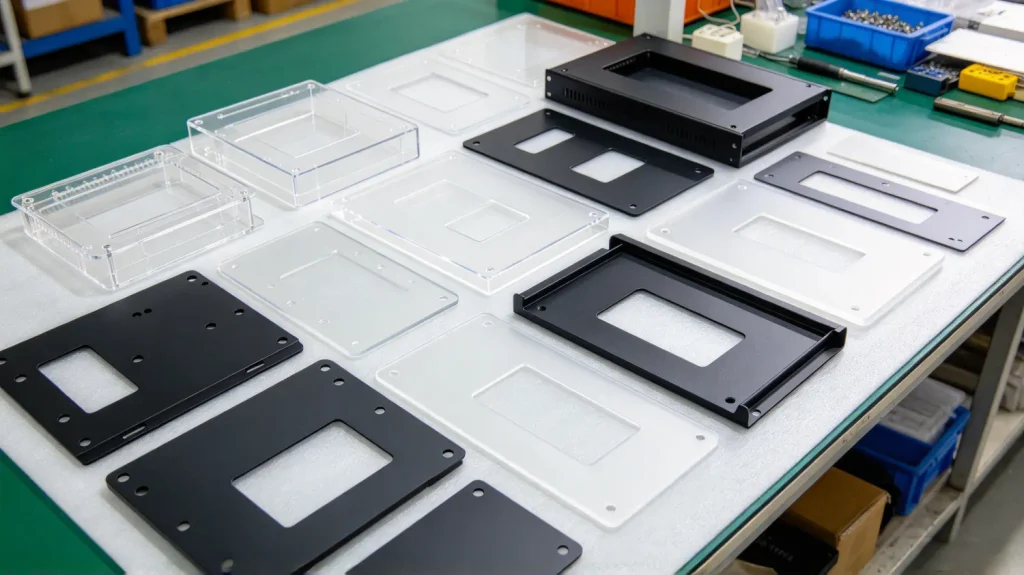
Residual stress is the biggest pitfall for custom fabrication of polycarbonate insulation cover. After CNC and thermal bending, internal stress builds up inside polycarbonate sheets. Poor stress control leads to invisible cracks. Samples look intact at delivery, but cracks gradually appear after screw installation or temperature change.
5.1 Tolerance Standard
Polycarbonate plastic parts follow different tolerance rules compared with sheet metal. Do not apply ultra-tight sheet metal tolerance. Recommended tolerance for polycarbonate enclosure cover: Outline ±0.15~0.3mm; hole position ±0.1~0.2mm. Tolerance range widens with larger overall size—Mark tolerance for critical assembly holes on drawings before ordering.
5.2 Assembly Guidance
1)Leave clearance for screw holes, avoid tight fit. Polycarbonate expands and contracts with temperature. Zero-clearance holes cause stress and cracking during thermal expansion.
2)Do not over-tighten screws. Polycarbonate is relatively soft. Excessive torque collapses the sheet or cracks holes. Flat washers and spring washers help distribute pressure.
3)Never force the cover into position during installation. Forced assembly introduces new stress.
5.3 Main Sources of Residual Stress
1)Improper heating temperature and fast cooling during thermal bending;
2)Improper CNC cutting parameters, heat accumulation during milling;
3)Sharp hole corners without fillet radius;
4)Over-tightened screws in assembly.
YUCHENG optimizes CNC cutting parameters, controls heating and cooling rates in thermal bending, and applies annealing stress relief when needed for custom fabrication of polycarbonate insulation covers. We provide samples for customer machine testing before mass production to reduce batch risk for large electrical cabinet cover orders.
6. Common Failures, Root Causes & Solutions of Polycarbonate Insulation Cover
We summarize frequent issues encountered in polycarbonate insulation cover application:
1)Cracks around drilled holes
Causa: No fillet at hole edge, improper drilling speed, over-tight screws or residual stress.
Solução: Add fillet radius at hole edge; optimize processing parameters; control screw torque and use washers.
2)Whitening and cracking at bending area
Causa: Too small bending fillet, insufficient heating or residual stress.
Solução: Increase inner fillet radius; adjust thermal bending parameters; apply stress relief for thick sheets.
3)Easy scratches on transparent cover
Causa: Low surface hardness of standard polycarbonate.
Solução: Choose hard-coated polycarbonate sheet, keep protective film until final assembly.
4)Yellowing & brittleness for outdoor covers
Causa: Non-UV-stabilized polycarbonate raw material, UV aging.
Solução: Select UV-resistant sheet at the stage of custom fabrication of polycarbonate insulation cover for outdoor projects.
5)Failed insulation performance
Causa: Recycled sheet, deep scratches or surface contamination and moisture.
Solução: Virgin raw polycarbonate sheet; protect cover surface during processing and installation.
7. Comparison: Polycarbonate Insulation Cover VS Acrylic, PVC, FR4 Epoxy Board
Many buyers compare polycarbonate with acrylic, PVC and FR4 epoxy board for electrical cabinet covers.
1) Polycarbonate insulation cover
✅ Pros: High toughness, impact resistance, wide temperature range, good insulation, bendable, transparent option available, flame-retardant grade for electrical equipment;
❌ Cons: Susceptible to scratches, poor resistance to strong solvents;
👉 Application: Most electrical cabinets and power box viewing covers, first recommendation.
2) Acrylic (PMMA) cover
✅ Pros: Excellent light transmission, good polishing effect, slightly higher surface hardness than polycarbonate;
❌ Cons: Brittle, low impact resistance, easy shattering, low temperature limit, limited bending capacity;
👉 Application: Indoor static viewing window, not recommended for vibrating or transport-prone electrical cabinet covers.
3)PVC sheet
✅ Pros: Low price, acceptable insulation;
❌ Cons: Poor heat resistance, deforms at high temperatures, brittle at low temperatures;
👉 Application: Simple low-temperature enclosures, rarely used for industrial electrical cabinets.
4)FR4 epoxy board
✅ Pros: Superior insulation, high temperature resistance, high hardness;
❌ Cons: Heavy, non-bendable, only flat processing, opaque;
👉 Application: Internal insulation separator, not suitable for visual viewing covers.
Conclusion: If you require balanced toughness, temperature resistance, bendability and transparent viewing window for electrical cabinet covers, polycarbonate insulation cover delivers the best overall cost performance.
8. Complete Procurement Process: Prototyping to Mass Production of Custom Polycarbonate Insulation Cover
1)Requirement discussion: Working voltage, indoor/outdoor environment, sheet requirements (thickness, flame retardant, anti-static), cover dimensions, and quantity.
2)Submit drawing / physical sample: Send DXF / PDF drawings or mail samples.
3) Process review & quotation: YUCHENG technical team evaluates drawings, provides process suggestions, quotation and lead time.
4)Sample production: Start custom fabrication of polycarbonate insulation cover prototypes and deliver samples for customer assembly testing.
5)Sample confirmation: Customer verifies dimensions, assembly and performance and approves samples.
6)Produção em massa: Produce bulk products following confirmed samples and drawings.
7)Pre-shipment QC: Full inspection or sampling, and provide material certificates.
8)Packing, shipment and after-sales technical support.
We support small batch prototyping. Many electrical enterprises only need a few samples for new product R&D. YUCHENG accepts small sample orders without expensive mold fees. Stable delivery for mass orders.
9. Criteria to Select a Reliable Manufacturer for Polycarbonate Insulation Cover Custom Fabrication
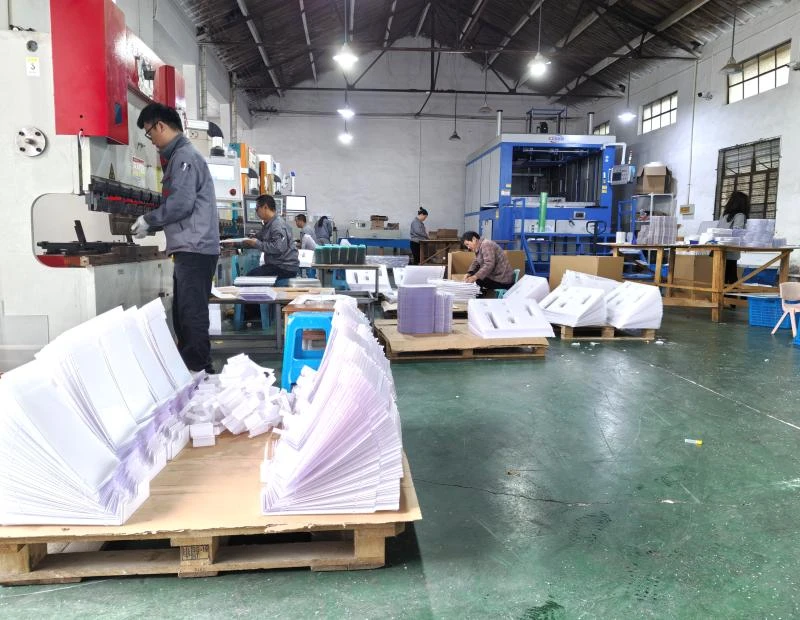
Many small workshops can cut polycarbonate sheets, but few fully understand electrical safety requirements and can stably produce polycarbonate insulation covers for electrical enclosures. Key selection standards:
1)Use virgin raw sheets and supply material/flame retardant certificates. Recycled sheets cannot be used for electrical safety components.
2)Rich experience in polycarbonate thermal bending and precision CNC machining, capable of thick sheet bending and residual stress control.
3)QC system: Dimensional and visual sampling inspection, withstand voltage test available.
4)Drawing technical support: Review drawings in advance and warn about structural defects instead of simply cutting according to drawings and shifting blame later.
5)One-stop service: Complete cutting, CNC, bending, polishing and silk screen in-house without coordinating multiple suppliers.
YUCHENG specializes in custom fabrication of polycarbonate insulation covers, serving electrical automation and new energy electric control industries for years. We fully understand requirements for polycarbonate sheet accessories for electrical cabinets. Our one-stop service includes drawing assessment, raw material sourcing, precision processing, quality inspection and after-sales. Whether you need R&D samples or bulk orders of tens of thousands of pieces, we guarantee stable delivery. Send your drawings for quotation and prototyping.
10. Conclusion
Polycarbonate insulation covers for electrical enclosures are small but critical safety components of electrical equipment. Material selection, raw sheet quality, processing technology and stress control all affect equipment safety. Select polycarbonate sheet of proper thickness and functional grade, adopt professional custom fabrication of polycarbonate insulation cover, complete CNC milling, thermal bending, polishing and QC to obtain dimensionally accurate, stable and crack-resistant polycarbonate enclosure cover. If you are looking for suppliers for custom fabrication of polycarbonate insulation cover, with electrical enclosure cover projects for prototyping or mass production, contact YUCHENG. Our technical team offers free drawing evaluation and sample support, delivering reliable polycarbonate insulation cover solutions for your electrical equipment.