






Custom Plastic Hot Pressing Services
- Startseite /
- Heißpressen
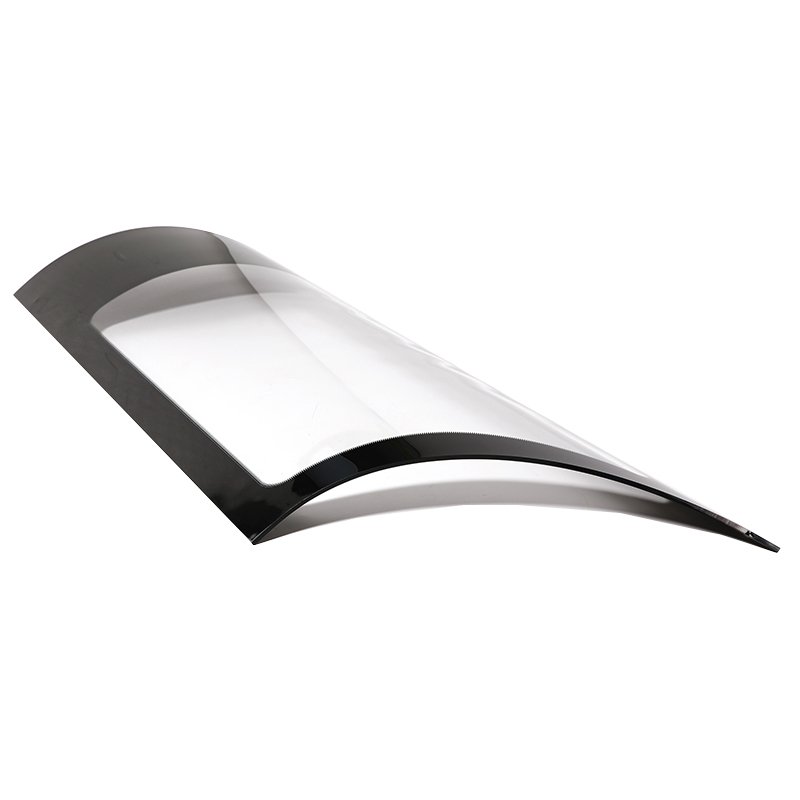
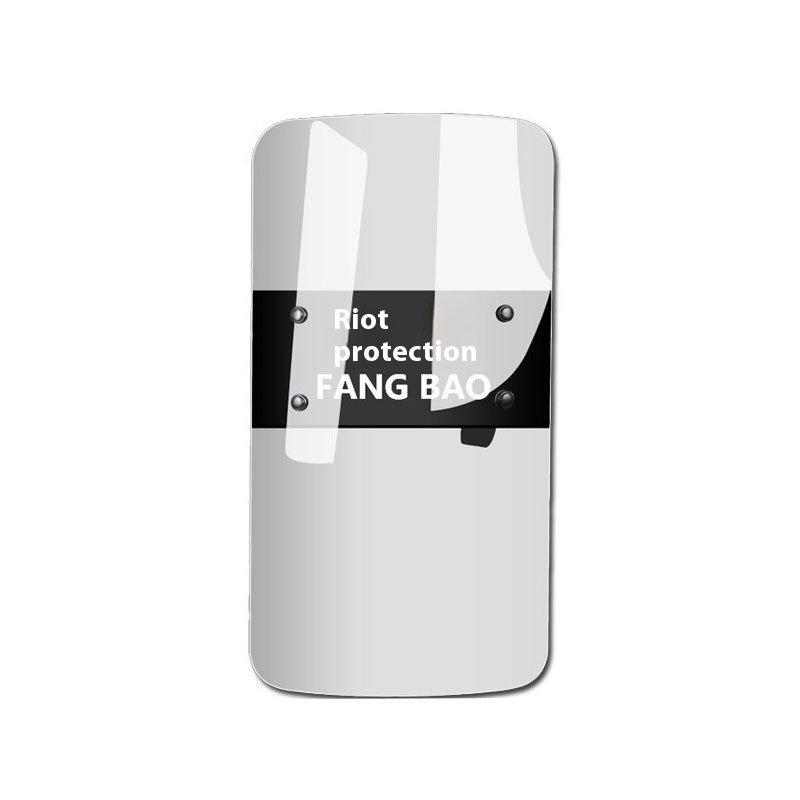
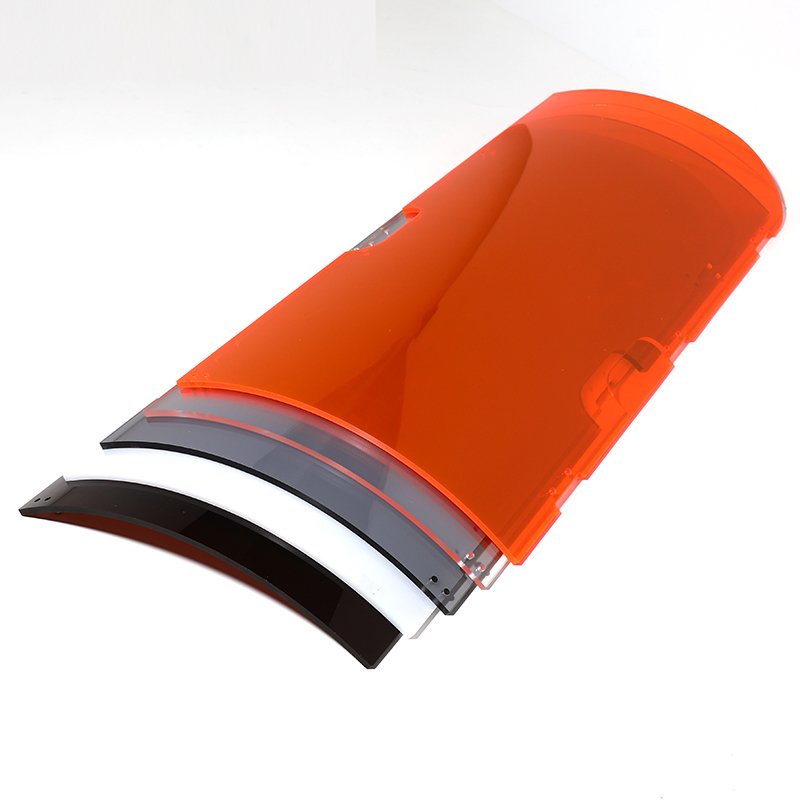
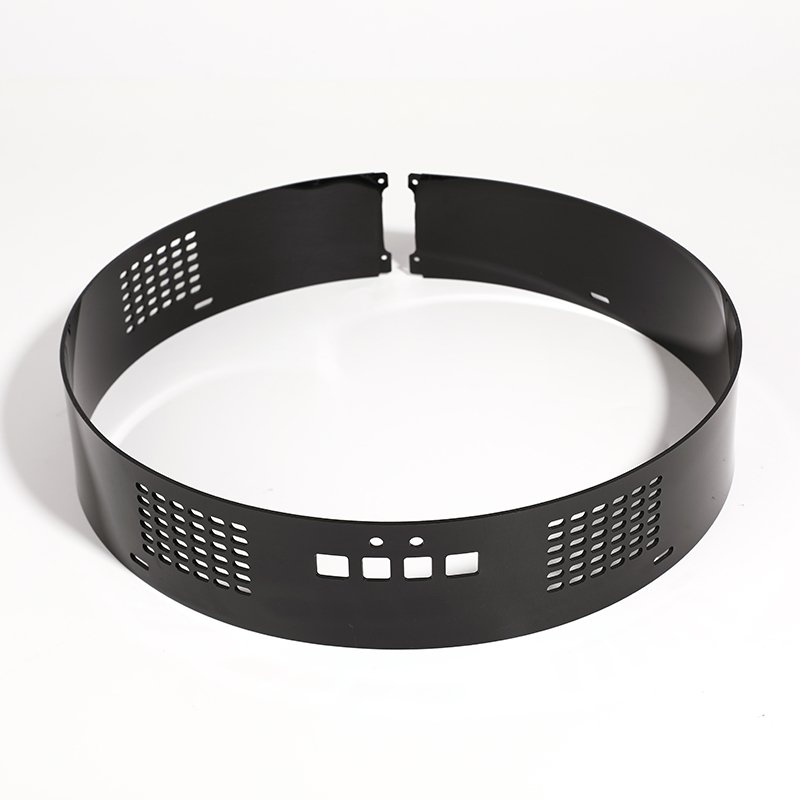
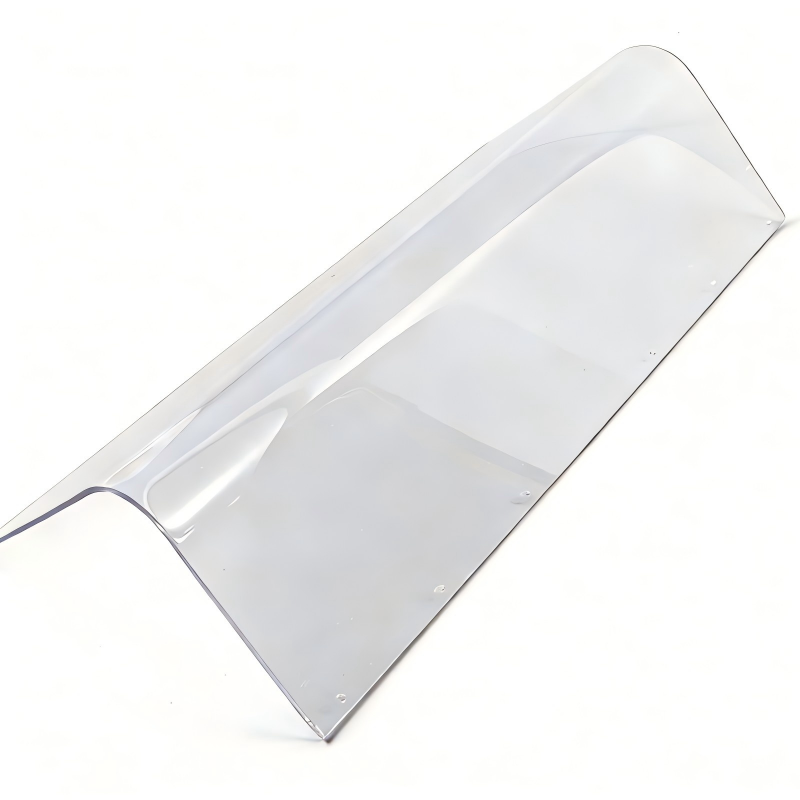
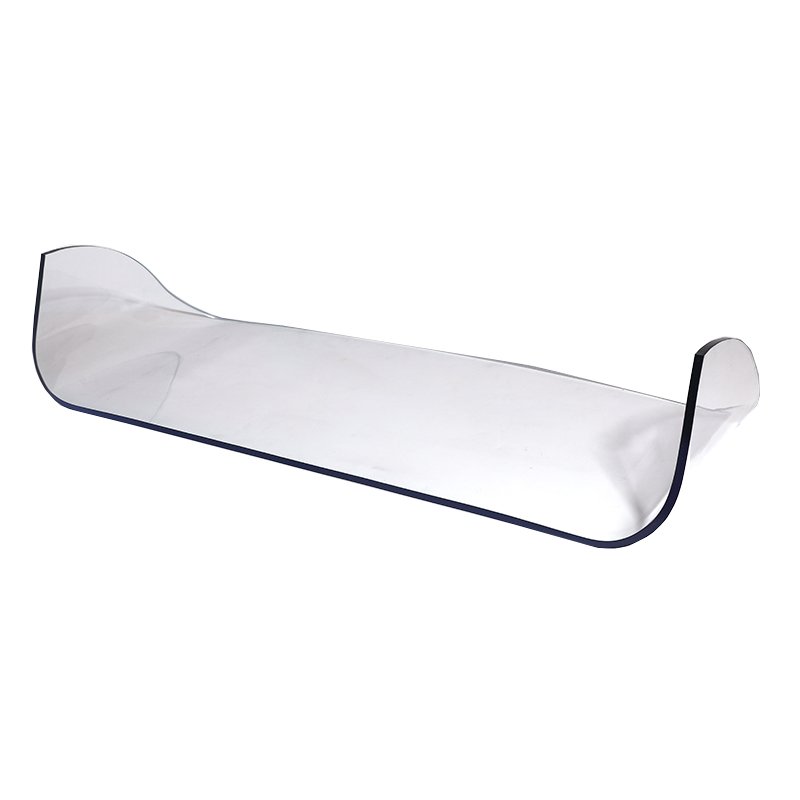
Our Hot Pressing Services
Hot pressing (also known as compression molding or thermal pressing) is an advanced thermoforming process where a plastic sheet is heated to a pliable state and then pressed between two matching male and female molds under high pressure. This process is highly efficient for producing high-strength, heavy-gauge plastic parts with precise double-sided details, complex contours, and uniform wall thickness.
We professionally provide premium sheet hot pressing processing services. Utilizing advanced hydraulic thermal presses, precise temperature-controlled heating systems, and custom matched-metal or composite molds, we process high-quality materials including Polycarbonate (PC) sheets, Acrylic (PMMA), ABS, PETG, and PVC. We can customize high-precision heavy-duty equipment shells, Schutzhüllen, automotive interior/exterior panels, optical spheres, spherical skylights, and specialized industrial shields.
Wir bieten maßgeschneiderte Lösungen ganz nach Ihren Wünschen Zeichnungen (STEP, DWG, DXF) oder Beispiele from prototyping to high-volume production. One-stop integrated services including custom mold development, hot pressing, CNC trimming, hole drilling, and final assembly are available.
Teilen:
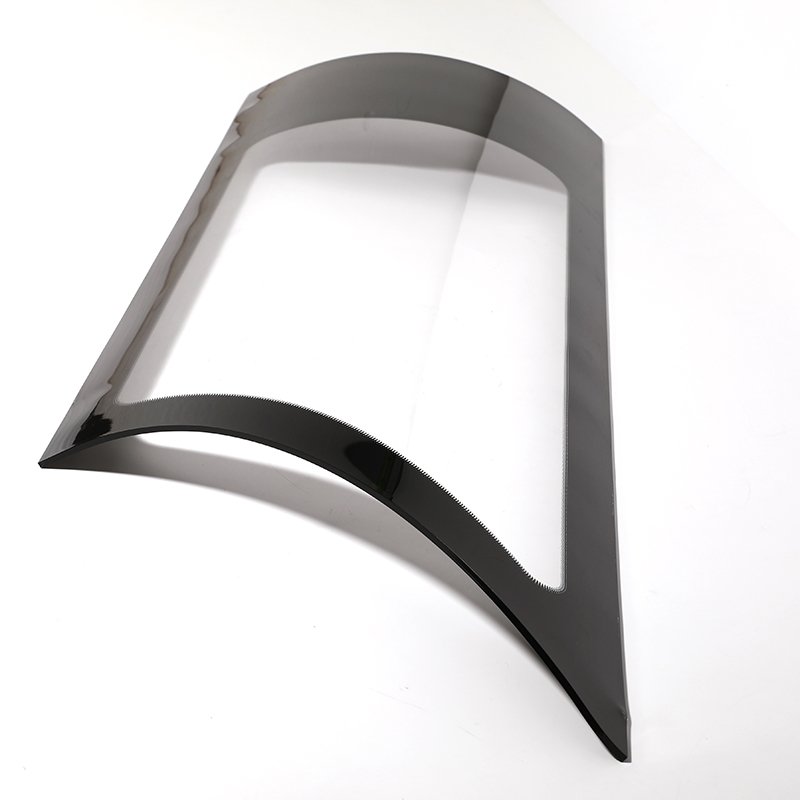
How It Works (The Hot Pressing Process)
Achieving a flawless hot-pressed component requires perfect synchronization of temperature, pressure, and timing.
- Material Pre-cutting & Pre-drying: Cutting plastic sheets to size and pre-drying materials like Polycarbonate to prevent internal moisture bubbling.
- Thermal Heating: Heating the plastic sheet in a specialized oven until it reaches its optimal softening and forming temperature.
- Matched-Mold Pressing: Placing the softened sheet between the male and female molds. The hydraulic press applies heavy, uniform pressure to force the plastic into the exact mold contours.
- Pressure Holding & Cooling: Maintaining pressure while cooling the mold to ensure the plastic sets perfectly without warping or shrinking.
- CNC Trimming & Quality Control: Demolding the part, using multi-axis CNC routing to trim excess edges and drill holes, followed by a 100% dimensional inspection.
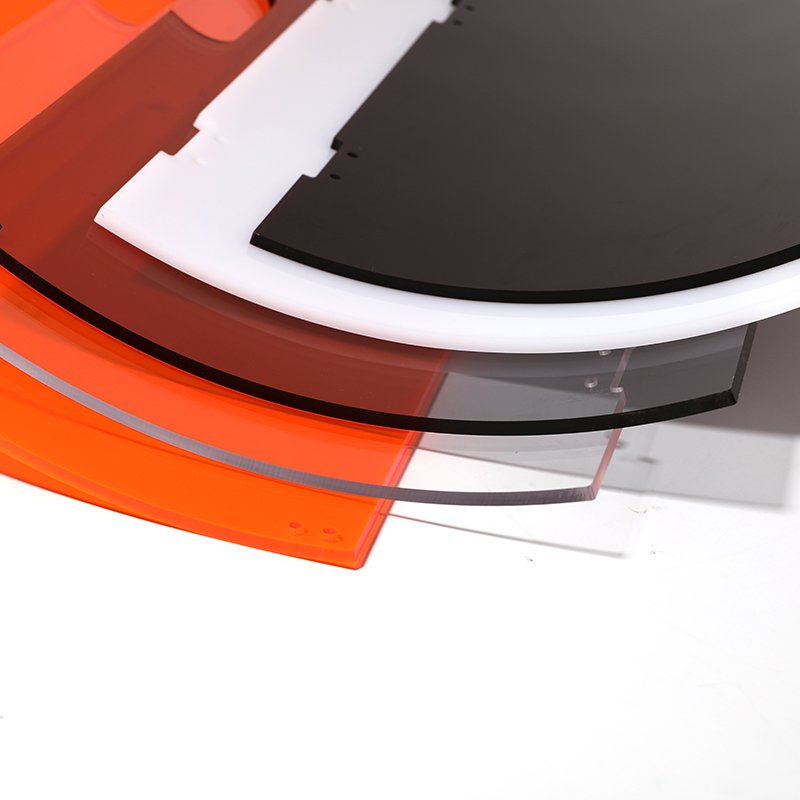
Materialien und technische Daten
Polycarbonat (PC): Exceptional for high-impact applications, safety shields, and bullet-resistant clear covers.
Acryl (PMMA): Ideal for deep-drawn domes, skylights, and optical components requiring maximum clarity.
ABS / PETG / PVC: Perfect for industrial housings, vehicle shrouds, and heavy-duty structural enclosures.
Leistungsspektrum & Dickebereich
Dickenbereich: 2mm – 15mm (Specializes in thick-gauge engineering plastics)
Molding Precision: High-fidelity reproduction of double-sided surface details and strict dimensional tolerances within ±0.5mm.
Deep Draw Capability: Superior to standard line bending, allowing for complex 3D spherical and contoured shapes.
Anwendungen
- Spherical Skylights & Domes: Clear acrylic or polycarbonate dome skylights and explosion-proof observation windows.
- Heavy Machinery Enclosures: Durable protective housings and engine covers for agricultural, medical, and industrial equipment.
- Aerospace & Transit Components: Interior trim panels, seating components, and window shrouds.
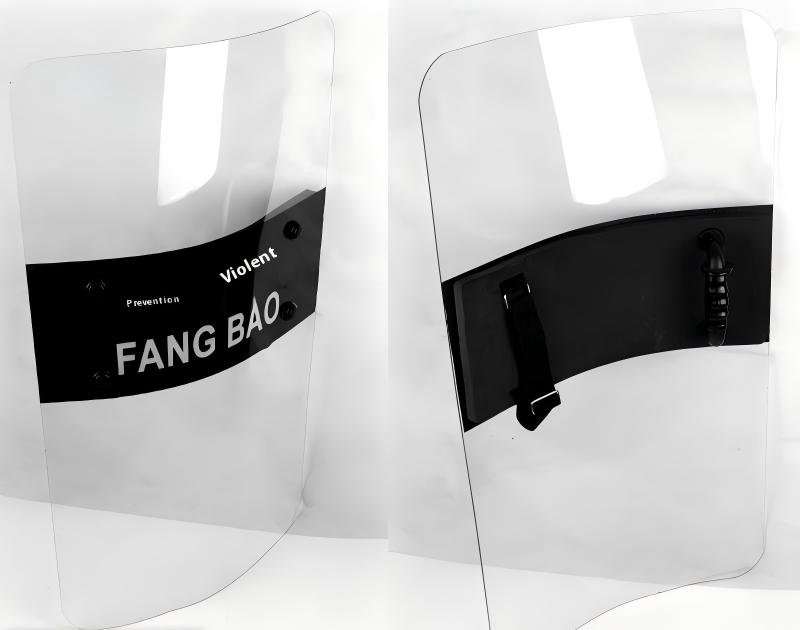
- Safety Shields & Guards: Deep-contoured security shields for law enforcement and heavy industrial containment covers.
Key Advantages of Hot Pressing
Double-Sided Detail & Smoothness: Anders als Vakuumverformung (which defines only one side), hot pressing uses matched molds to ensure precise dimensions and smooth finishes on both the inner and outer surfaces.
Uniform Wall Thickness: The heavy mechanical pressure ensures excellent material distribution, minimizing thin spots even on deep-drawn or complex 3D shapes.
High Structural Strength: Ideal for heavy-duty, thick-gauge plastics, producing components with low internal stress and superior impact resistance.
Cost-Effective for Mid-to-Large Runs: Offers a much lower tooling investment than injection molding while delivering comparable part quality and durability.
Qualität und Präzision
Raw material inspection →Oven pre-drying →Precise thermal pressing → Matched-mold cooling → 5-Axis CNC trimming → Final quality and cosmetic inspection.
We guarantee zero structural warping, excellent optical clarity, and strict adherence to your technical blueprints.
Warum uns wählen
- 13+ Jahre Erfahrung in der Kunststoffbearbeitung
- Moderne Biege- und Bearbeitungsmaschinen
- Qualifizierte Techniker
- Kundenspezifische OEM- und ODM-Unterstützung
FAQ
Q: What is the main difference between Hot Pressing and Vakuumverformung?
A: Tiefziehen uses atmospheric vacuum pressure to pull a plastic sheet against a single-sided mold. Hot pressing uses a hydraulic press to compress the sheet between matching male and female molds. Hot pressing allows for thicker materials, tighter tolerances, more complex 3D shapes, and precise finishes on both sides of the part.
Q: What is the difference between Hot Pressing and Thermisches Biegen?
A: Wärmebiegen is a localized line-bending process suitable for making simple 2D angles (like U-shapes or V-shapes). Hot pressing heats the entire sheet to mold it into fully complex 3D shapes, curves, or spherical structures.
Q: Can you hot-press thick plastic sheets?
A: Yes. While vacuum forming struggles with very thick materials, our hot pressing equipment can easily process heavy-gauge sheets ranging from 2mm up to 15mm in thickness.
Q: Do you design and manufacture the molds in-house?
A: Yes, we provide full OEM/ODM support. Our engineering team designs the custom male/female tooling based on your 3D CAD files (STEP, STP, IGS) and manufactures them to ensure optimal production quality.
Q: How do you prevent Polycarbonate (PC) from bubbling during hot pressing?
A: Polycarbonate is hygroscopic and absorbs moisture. We pre-dry all PC sheets in a temperature-controlled dehumidifying oven before the pressing process to ensure the final parts are completely bubble-free and crystal clear.