


In recent years, people who buy Hoja PC (polycarbonate sheet), develop products, and design equipment housings have come to realize one thing: traditional transparent PC sheet and standard solid PC sheet are increasingly no longer enough. Customers start asking “Can it block UV?” “Can it be anti-static?” “Can it withstand higher heat?” “Can it be harder and scratch-resistant?” “Can it be both flame-retardant and transparent?” Ordinary pure PC sheet cannot meet these needs. That’s why modified polycarbonate sheet has stepped into the spotlight.
Modified polycarbonate sheet, simply put, is made by adding modifiers and functional additives to PC resin, or adjusting formula and composite processes, so the sheet gains new properties that ordinary PC lacks — such as flame retardancy, UV resistance, anti-static, high hardness, low-temperature tolerance, antibacterial, anti-fog, enhanced rigidity, and improved processing. Modified PC is not a brand-new material out of thin air; it’s “adding ingredients to PC and using different approaches,” making it more capable in specific scenarios.
In this article, we explain future processing & application directions of new modified polycarbonate sheet completely. First, we clarify what modified PC is and its mainstream types. Then we cover which processing processes suit each modified PC and which fields it can serve. Next, we discuss how modified PC processing differs from ordinary PC and what to watch. Finally, we talk about future trends and what we can do for you. Whether you work in new energy, medical, rail transit, electronics, construction, or automotive, you’ll find relevant parts here.
As a manufacturer specializing in custom PC sheet processing, we have personally handled countless cutting, bending, thermoforming, and engraving orders for various modified polycarbonate sheets. Customers bring all kinds of sheets: flame-retardant, UV-resistant, anti-static, hard-coated, frosted… Each sheet has its own processing “temperament.” Cut poorly and it chips; bend poorly and it whitens. The processing experience and selection logic in this article are the practical know-how we use daily when handling modified PC projects.
1. First Understand: What is a modified polycarbonate sheet?
Lámina de PC (lámina de policarbonato) is already an “all-rounder” among engineering plastics — high impact resistance, good transparency, wide temperature range, and processability. But it has shortcomings: low surface hardness and easy scratching, poor resistance to strong solvents, insufficient flame retardancy in some scenarios, easy moisture absorption, and static attracting dust. Modified PC is the “customization” at the raw-material end to fill these gaps or strengthen a specific performance.
Modified PC is achieved mainly in these ways:
- Blending modification: Mix other resins (e.g., ABS, PET) into PC resin to improve processability, toughness, or cost;
- Additive modification: Add flame retardants, UV stabilizers, anti-static agents, antibacterial agents, anti-fog agents, toughening agents, etc., to give specific functions;
- Coating/composite: Apply hard coating, UV-resistant coating, or anti-fog coating on the PC surface, or composite other layers into the sheet;
- Formula adjustment: Adjust molecular weight and formula for specific properties (low temperature, high temperature, reinforcement).
Key keywords: modified polycarbonate sheet, flame-retardant PC, UV-resistant PC, anti-static PC, hard-coated PC, antibacterial PC, anti-fog PC — the most common members of the modified PC family.
2. Overview of Mainstream New Modified Polycarbonate Sheet Types
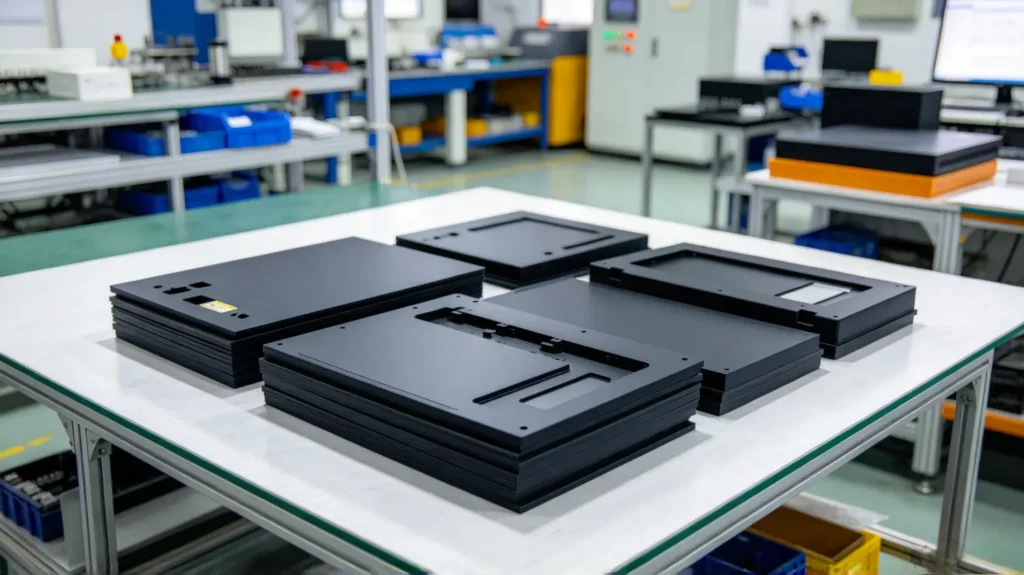
There are many types of modified PC. We’ll explain the most common ones, covering each one’s core performance and suitable scenarios.
2.1 Flame-retardant modified polycarbonate sheet
Add flame retardants to PC so the sheet self-extinguishes after flame removal, reaching UL94-V0 and other flame-retardant grades.
- Core performance: self-extinguishing, low smoke, flame retardant;
- Aplicaciones: electrical equipment housings, energy storage control boxes, rail transit interiors, cabinets, elevator decoration, public facilities;
- Processing note: flame-retardant PC has reduced toughness. Enlarge bend radius and use more conservative parameters, otherwise whitening and cracking occur.
2.2 UV-resistant modified polycarbonate sheet (weather-resistant grade)
Through UV stabilizers and double-sided UV co-extrusion layers, the sheet resists yellowing and aging under long-term outdoor use.
- Core performance: UV resistance, weather resistance, long outdoor life;
- Aplicaciones: outdoor skylights, photovoltaic backsheets, outdoor advertising, outdoor equipment housings, building curtain walls;
- Processing note: UV-resistant sheet processes similarly to ordinary PC, but outdoor parts should have edge sealing to prevent end-face aging.
2.3 Anti-static modified polycarbonate sheet
Add anti-static agents or conductive treatment to PC to reduce surface resistance and prevent static accumulation.
- Core performance: anti-static, dust-resistant, protects precision electronics;
- Aplicaciones: semiconductor workshops, electronics factories, cleanroom partitions, precision equipment covers, display protection;
- Processing note: after processing, keep the anti-static surface performance; don’t contaminate the surface with oily substances.
2.4 Hard-coated modified polycarbonate sheet
Apply hard coating on the PC surface to improve surface hardness, scratch, and wear resistance.
- Core performance: high surface hardness, scratch-resistant, wear-resistant;
- Aplicaciones: touchscreen protection, equipment view windows, instrument panels, lenses, outdoor signage;
- Processing note: hard coating doesn’t withstand high-temperature bending; thermoforming destroys the coating. Hard-coated PC should use cold or low-temperature processing, avoid deep thermal forming.
2.5 Antibacterial modified polycarbonate sheet
Add antibacterial agents to PC to inhibit bacterial growth.
- Core performance: antibacterial, hygienic;
- Aplicaciones: medical equipment housings, hospital partitions, public facilities, children’s facilities, touchscreen panels;
- Processing note: antibacterial performance is on the surface; keep the surface intact after processing, don’t damage the surface layer.
2.6 Anti-fog modified polycarbonate sheet
Through anti-fog coating or hydrophilic treatment, the surface doesn’t fog up.
- Core performance: anti-fog, clear transparency;
- Aplicaciones: refrigerator glass door alternatives, instrument view windows, face shields, cold cabinets, observation windows;
- Processing note: anti-fog coating also fears high temperature and scratching; process gently.
2.7 Low-temperature / high-temperature resistant modified PC
Adjust formula for extreme temperature environments, improving low-temperature toughness or high-temperature limit.
- Core performance: not brittle at low temperature, not deformed at high temperature;
- Aplicaciones: equipment in extreme cold regions, automotive parts, high-temperature equipment housings;
- Processing note: processing window is relatively narrow; control temperature strictly.
2.8 Reinforced/filled modified PC (glass-fiber reinforced, etc.)
Add glass fiber and other reinforcements to PC to improve rigidity and dimensional stability.
- Core performance: high rigidity, dimensional stability, not easily deformed;
- Aplicaciones: structural parts, brackets, load-bearing components;
- Processing note: reinforced PC is brittle and chips easily during cutting and bending; process more carefully.
Many projects combine multiple modifications, such as “flame-retardant + UV-resistant” outdoor electric control housings, “antibacterial + anti-static” medical electronic housings, “hard-coated + anti-fog” cold cabinet view windows. The value of modified PC lies in “ordering by scenario.”
3. Which Processing Processes Suit modified polycarbonate sheet?
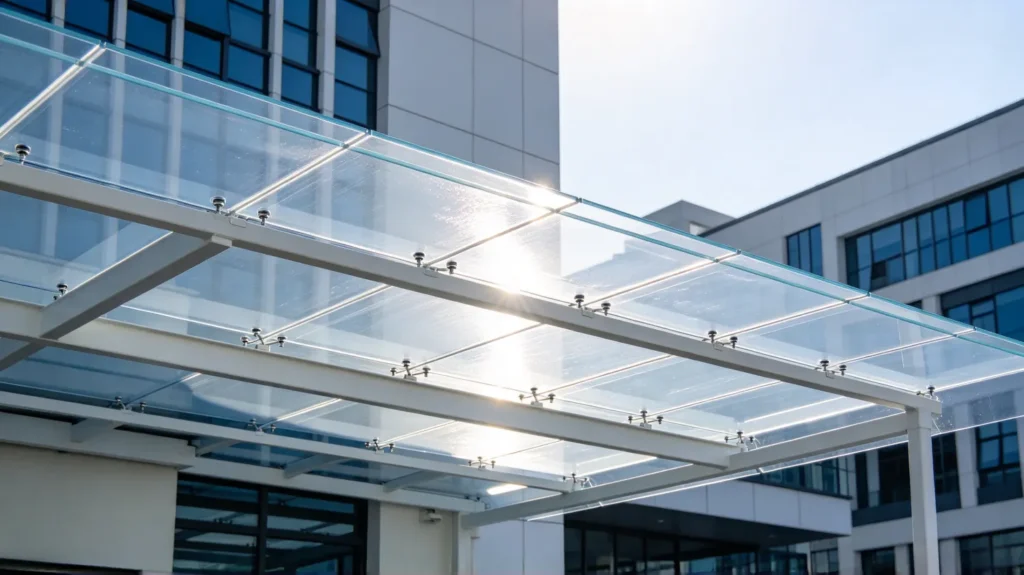
No matter how special modified PC is, it ultimately comes down to processing. The processing processes for modified polycarbonate sheet are largely the same as ordinary PC, but each modified sheet has a different “temperament,” so parameters need targeted adjustment. Common processes include:
3.1 CNC machining
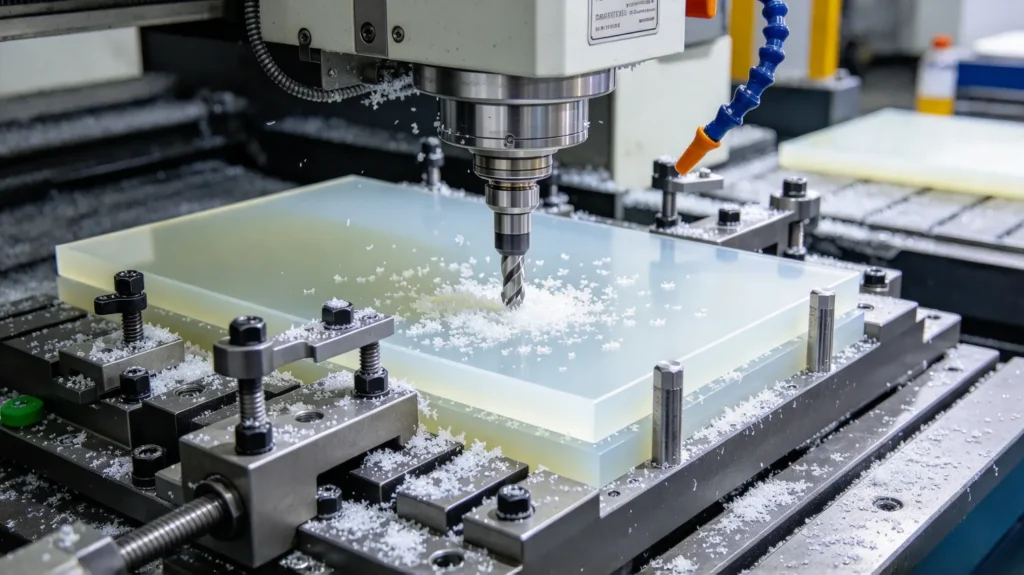
Most modified PC can be cut with CNC.
- Flame-retardant and reinforced sheets are brittle; prefer CNC, control tool parameters to avoid chipping;
- For UV-resistant, antibacterial, anti-fog, and hard-coated sheets, don’t damage the surface functional layer; watch protective film and surface cleanliness;
- Hard-coated sheets avoid high-temperature processing.
3.2 Thermoforming bending / thick-sheet thermoforming
Bending and thermoforming make modified PC into curved housings and curved guards.
- Flame-retardant and reinforced sheets have poor toughness; enlarge bend radius and control temperature, otherwise whitening and cracking;
- UV-resistant and weather-resistant sheets suit outdoor curved parts;
- Anti-static, antibacterial, anti-fog, and hard-coated sheets avoid deep thermal forming; high temperature damages surface functions, especially hard coating.
3.3 Drilling/grooving
Modified PC perforación and grooving are similar to ordinary PC, but brittle sheets (flame-retardant, reinforced) chip more easily. Control feed and speed, and avoid oversized holes.
3.4 Surface processes (screen printing/engraving / UV printing)
Modified PC can undergo screen printing, engraving, and UV printing.
- Hard-coated, anti-fog, and antibacterial sheets have surface functional layers; test printing adhesion;
- Anti-static sheet surface must stay clean; don’t contaminate it.
3.5 Edge treatment
After processing, modified PC cut edges and hole edges need deburring, polishing, and edge sealing, especially for outdoor and functional sheets, to protect the end face.
Core reminder: half of successful modified PC processing is “knowing what modification this sheet is,” and half is “adjusting parameters to its temperament.” When you get a modified polycarbonate sheet, first confirm its modification type, then decide the processing plan. This is the most efficient approach.
4. How Is Modified PC Processing Different from Ordinary PC?
Many people think “modified PC is still PC; just cut it like ordinary PC.” This is the biggest misunderstanding. Modified PC processing differs from ordinary PC in several ways:
- Toughness change: Flame-retardant and reinforced PC are more brittle; bending and cutting crack and chip more easily; parameters must be more conservative;
- Surface functional layer: Hard-coated, anti-fog, antibacterial, and anti-static sheets have surface functional layers; processing must not damage them — no high temperature, no scratching;
- Moisture absorption: PC absorbs moisture, and modified PC too; pre-dry before thermal forming, otherwise bubbles and whitening;
- Stress control: Modified PC has more prominent internal stress issues; release stress after processing to prevent later cracking;
- Processing window: Some modified PC (high-temperature, low-temperature grades) has a narrow processing window; control temperature and time precisely.
Key keywords: toughness change, surface functional layer, pre-drying for moisture, stress control, processing window — five points to specially note in modified PC processing.
5. Application Fields & Future Directions of New Modified Polycarbonate Sheet
5.1 New energy & energy storage
Energy storage control boxes, photovoltaic backsheets, and charging pile housings need flame-retardant + UV-resistant + weather-resistant modified PC. The future will move toward higher temperature resistance, thinner and lighter, and higher flame-retardant grades.
5.2 Medical & hygiene
Medical equipment housings, hospital partitions, and medical device view windows need antibacterial, easy-to-clean, disinfectable modified PC. The future will combine more antibacterial technology, scratch resistance, and chemical resistance.
5.3 Electronics & semiconductor
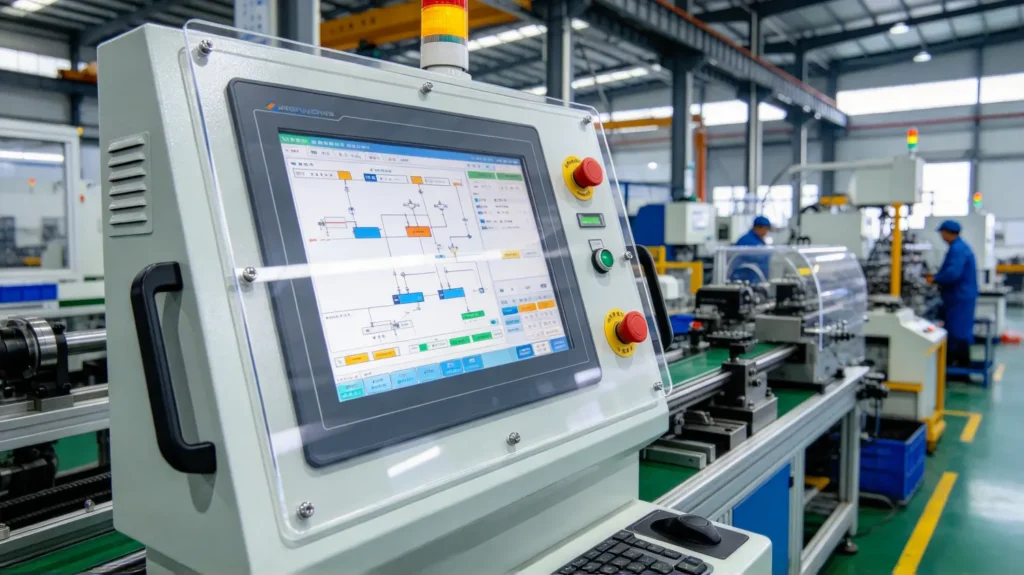
Cleanroom partitions, precision equipment protection, and display protection need anti-static, hard-coated, anti-fog modified PC. The future moves toward higher cleanliness and lower surface resistance.
5.4 Rail transit & automotive
Interior parts, window protection, and instrument panels need flame-retardant, low-smoke, wide-temperature modified PC. The future moves toward lightweight, high-strength, and environmentally friendly flame retardancy.
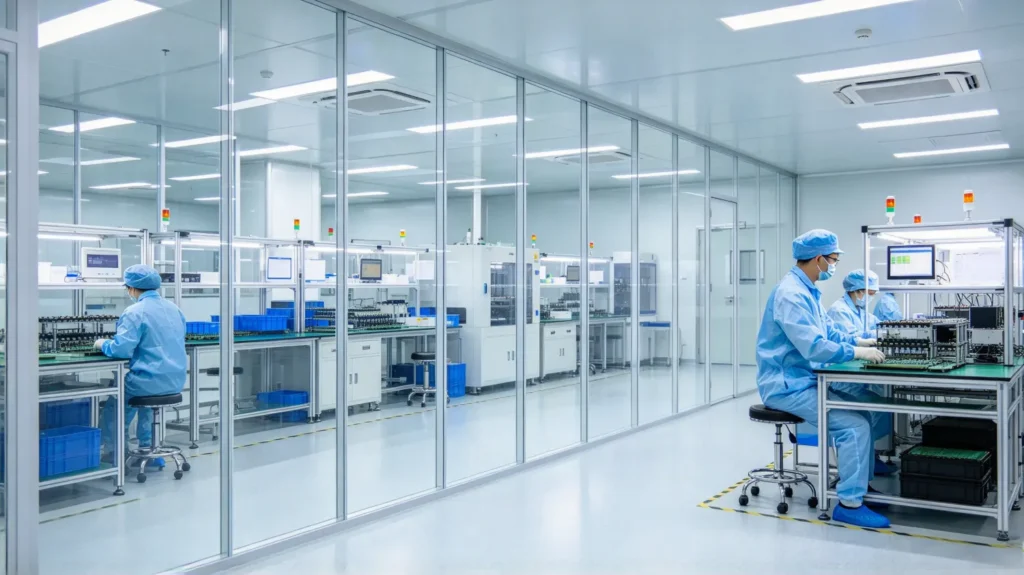
5.5 Construction & daylighting
Skylights, curtain walls, and outdoor canopies need UV-resistant, weather-resistant, transparent modified PC. The future moves toward self-cleaning, thermal insulation, and longer durability.
5.6 Several obvious future directions
- Multi-functional composite: one sheet with flame-retardant + UV + antibacterial + anti-static, an “all-round board”;
- Thinner and lighter: through reinforced formulas, thinner sheets achieve stronger performance, reducing weight and cost;
- Green and environmental: recyclable, low-VOC, halogen-free flame retardancy, meeting ESG requirements;
- Intelligent/functional surfaces: self-cleaning, anti-fog, light-adjusting, antibacterial surface functions become richer;
- Digital processing: build processing parameter libraries for different modified sheets, stabilize quality with digital tools.
6. Challenges in Future Modified PC Processing
Modified PC has good prospects, but processing faces several realistic challenges:
- Complex processing parameters: each modified sheet has different parameters; inexperienced factories waste sheets;
- Hard to protect surface functional layers: processing easily damages surface coatings, high rework rate;
- Cost control: modified sheets are expensive; control processing loss, or costs run away;
- Batch stability: modified formulas vary between batches; processing parameters must be fine-tuned accordingly;
- Needs experience accumulation: modified PC processing is “the more you do, the more you understand”; experience and data are core competitiveness.
These challenges are exactly where a professional processing factory provides value.
7. What Can We Do for You?
Facing all kinds of new modified polycarbonate sheet, many customers’ biggest confusion is: “I chose the right sheet, but who will process it well?” Processing it poorly wastes even the best modified sheet. This is exactly what we excel at.
Estamos especializados en custom PC sheet processing, serving customers across the new energy, medical, electronics, rail transit, and construction industries. For modified polycarbonate sheet, we provide:
- Multi-type modified sheet processing: flame-retardant PC, UV-resistant PC, anti-static PC, hard-coated PC, antibacterial PC, anti-fog PC, weather-resistant PC, reinforced PC — we have handled them all and know each sheet’s processing temperament;
- Full processing capability: laser cutting, CNC machining, drilling and grooving, thermoforming bending, thick-sheet thermoforming, edge polishing, screen printing/engraving/UV printing — the full modified PC workflow, done in one stop in our factory;
- Sheet selection advice: provide use scenarios; we help you decide which modified PC to use and give processing advice;
- Custom process parameters: for different modified sheets, we build parameter solutions to control chipping, whitening, cracking, and surface damage;
- Prototyping support: before mass orders, make samples first to confirm processing results and surface performance, then mass produce once approved;
- Quality control: control stress throughout, protect surface functional layers, deburr, polish, and seal edges on finished products for stable quality.
If you have a modified PC project — whether a flame-retardant electric control housing, UV-resistant daylighting part, anti-static partition, hard-coated view window, or antibacterial medical housing — send us the drawings and material information. We will tell you what process this sheet needs, what to watch, and how to process it without wasting sheets, helping you take new modified polycarbonate sheet from “selected right” to “processed well.”
8. FAQ
Q1: How to choose between modified PC and ordinary PC?
A: If ordinary PC meets the need, use ordinary PC to save money. Only for special requirements (flame-retardant, UV, anti-static, hard-coated, antibacterial, anti-fog, etc.) do you need modified PC. Order by scenario; don’t over-select.
Q2: Does modified PC crack more easily during processing?
A: Flame-retardant, reinforced, and other modified PC have reduced toughness and crack/chip more easily. Parameters must be more conservative and the bend radius enlarged. An experienced factory greatly reduces the waste rate.
Q3: Can hard-coated / anti-fog / antibacterial PC be thermoformed?
A: Try to avoid deep thermal forming. High temperature damages surface functional layers (especially hard coating). These sheets prefer cold or low-temperature processing; if bending is truly needed, test with samples first.
Q4: Can modified PC combine multiple functions?
A: Yes. For example, “flame-retardant + UV-resistant” outdoor electric control housings, “antibacterial + anti-static” medical electronic housings. Describe your use scenario and needs; the factory helps you decide the combination.
Q5: How do you guarantee no wasted sheets in modified PC processing?
A: We follow the process: “identify the sheet — adjust parameters — confirm with samples — mass produce.” First confirm the modification type, set the processing plan, confirm processing results and surface performance with samples, then batch produce — controlling waste at every step.
9. Conclusion
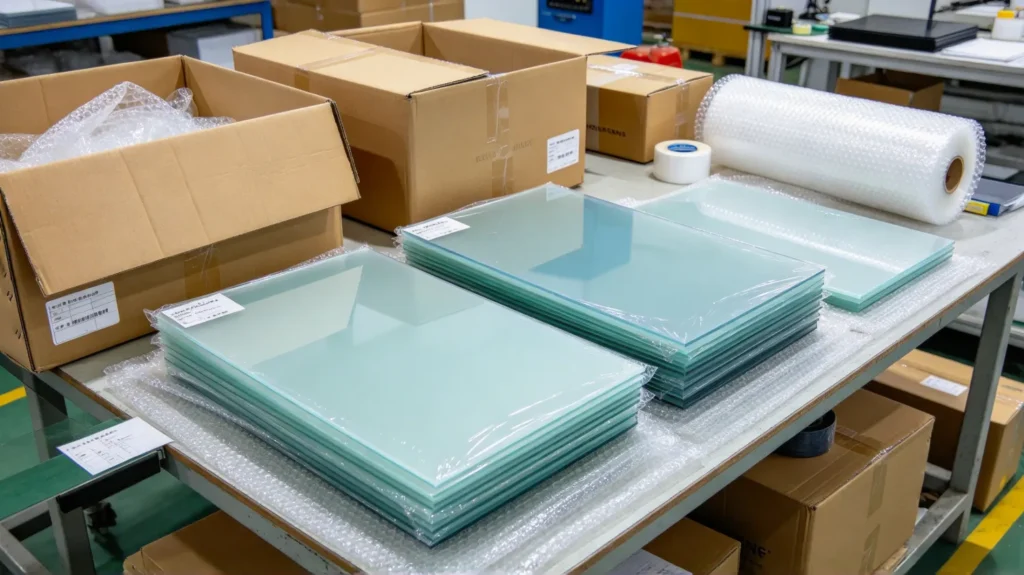
The new modified polycarbonate sheet is moving from “material innovation” to “processing application.” Whether a modified polycarbonate sheet truly works depends half on selecting the right sheet and half on processing it well.
Remember these points:
- Modified PC = ordinary PC + specific functions; select by scenario, neither over- nor under-specifying;
- Processing depends on the sheet’s “temperament”; flame-retardant and reinforced sheets are more brittle, functional sheets fear high temperature on surfaces — adjust parameters accordingly;
- Future directions: multi-functional composite, thinner and lighter, green and environmental, functional surfaces, digital processing;
- Find the right factory — one that understands modified sheets, has parameter accumulation, and can validate with samples is the one that truly succeeds with modified PC.
The future of modified PC belongs to enterprises that excel at both “materials and processing.” If you are developing modified PC products, welcome to talk with us. From sheet selection and processing technology to prototyping and mass production, we help you truly bring new modified polycarbonate sheet applications to life.