






Custom plastic parts are essential for industries like automotive, electronics, medical, and retail—but high manufacturing costs can eat into profit margins. Whether you’re producing prototypes, small batches, or mass quantities, optimizing cost without sacrificing quality is a top priority.
This guide shares 10 actionable strategies to reduce cost in custom plastic parts, from design tweaks to supply chain management.
1. Optimize Design for Manufacturability (DFM)
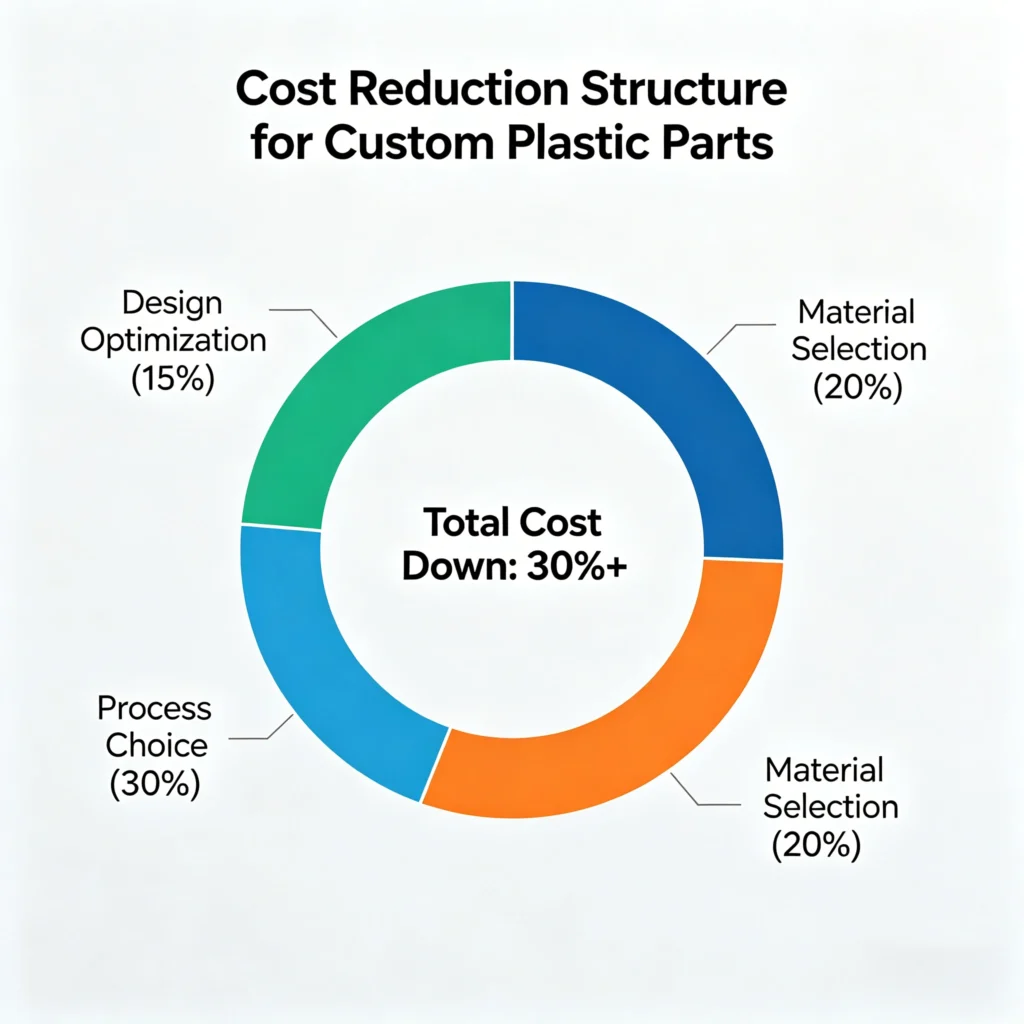
Design is the biggest cost driver—small adjustments can cut costs by 15–20%:
- Simplify Geometry: Avoid complex undercuts, sharp angles, and overhangs (they require expensive molds or extra machining steps).
- Standardize Features: Use common hole sizes, wall thicknesses, and tolerances (reduces tooling changes and waste).
- Minimize Part Count: Integrate multiple components into one part (eliminates assembly costs).
2. Choose the Right Plastic Material
Material costs account for 20–30% of total expenses—select wisely:
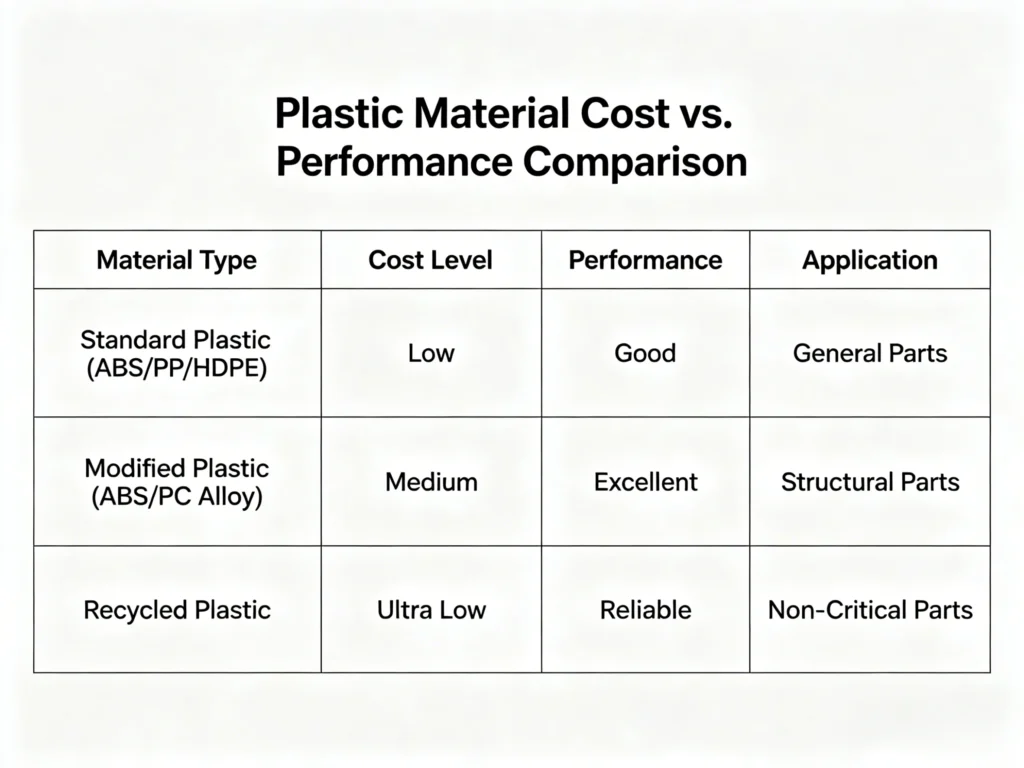
- Avoid Over-Engineering: Use standard plastics (ABS, HDPE, PP) instead of high-performance engineering plastics (PEEK, PPS) unless required.
- Consider Recycled/Regrind Materials: For non-critical parts, recycled plastics can reduce material costs by 10–30% without compromising durability.
- Leverage Material Alloys: Cost-effective blends (e.g., ABS/PC alloy) offer performance similar to premium plastics at lower prices.
3. Select the Optimal Manufacturing Process
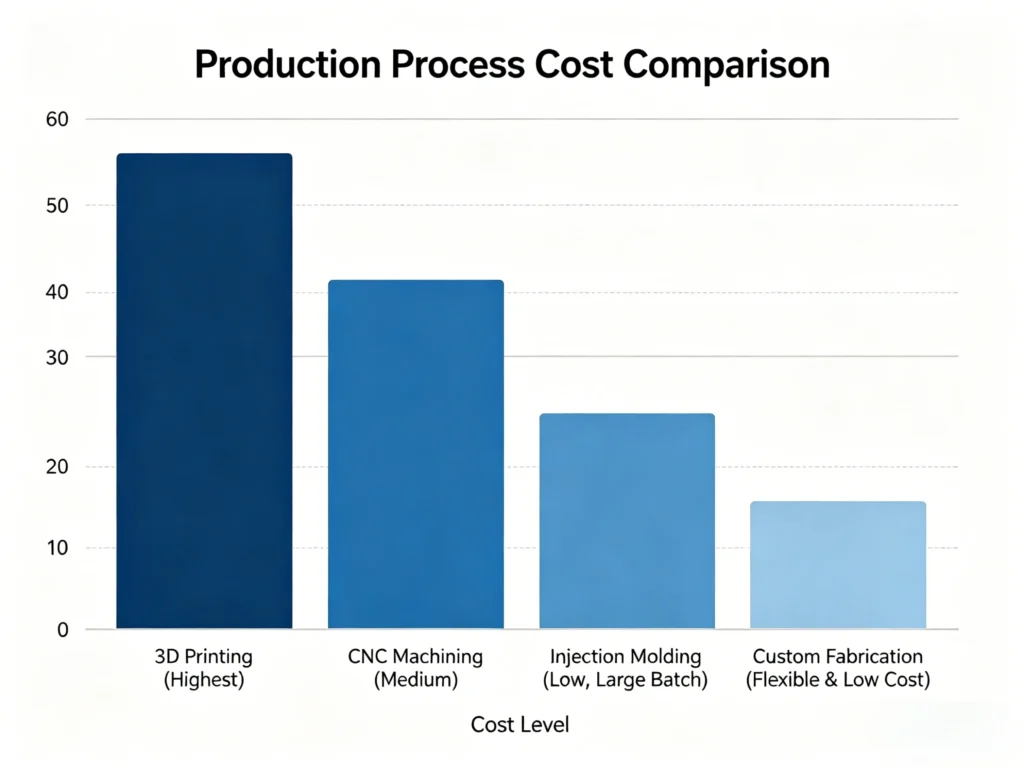
The right process balances cost, volume, and lead time:
- Small Batches (1–500 parts): Choose CNC machining or laser cutting (no mold costs, fast turnaround).
- Medium Batches (500–5,000 parts): Opt for thermoforming or low-cost injection molding (amortize tooling over moderate volume).
- Large Batches (5,000+ parts): Injection molding delivers the lowest per-unit cost ( economies of scale).
Yoochen Plastic offers flexible processes—plastic CNC machining, thermoforming, and custom fabrication—to optimize cost for any production volume.
4. Reduce Tolerance Requirements (Where Possible)
Tight tolerances (±0.01mm) require specialized tooling and longer processing times. For non-critical features:
- Relax tolerances to industry standards (±0.1mm for most parts).
- Focus tight tolerances only on functional surfaces (e.g., mating parts).
Our precision machining capabilities ensure critical tolerances are met while non-essential features are optimized for cost.
5. Minimize Waste in Production
Waste adds hidden costs—here’s how to cut it:
- Nest Parts Efficiently: Arrange multiple parts on a single plastic sheet (reduces material waste by 10–15%).
- Reuse Scrap Material: Grind excess plastic for reprocessing in non-critical parts.
- Optimize Tool Paths: CNC machining tool path optimization reduces cycle time and tool wear.
We implement lean manufacturing practices to minimize waste, passing savings directly to you.
6. Consolidate Orders & Batch Production
Batch processing reduces setup time and per-unit costs:
- Consolidate multiple part orders into one production run.
- Plan ahead for seasonal demand to avoid rush fees.
Yoochen Plastic offers flexible batch production options, with volume discounts for consolidated orders.
7. Avoid Rush Fees with Proper Planning
Rush orders often cost 20–50% more due to overtime labor and expedited logistics. To avoid this:
- Provide complete design files early (CAD, material specs, tolerances).
- Allow reasonable lead times (1–7 days for CNC machining, 4–12 weeks for injection molding).
Our transparent lead time estimates and proactive communication help you plan effectively, eliminating rush costs.
8. Partner with a One-Stop Supplier
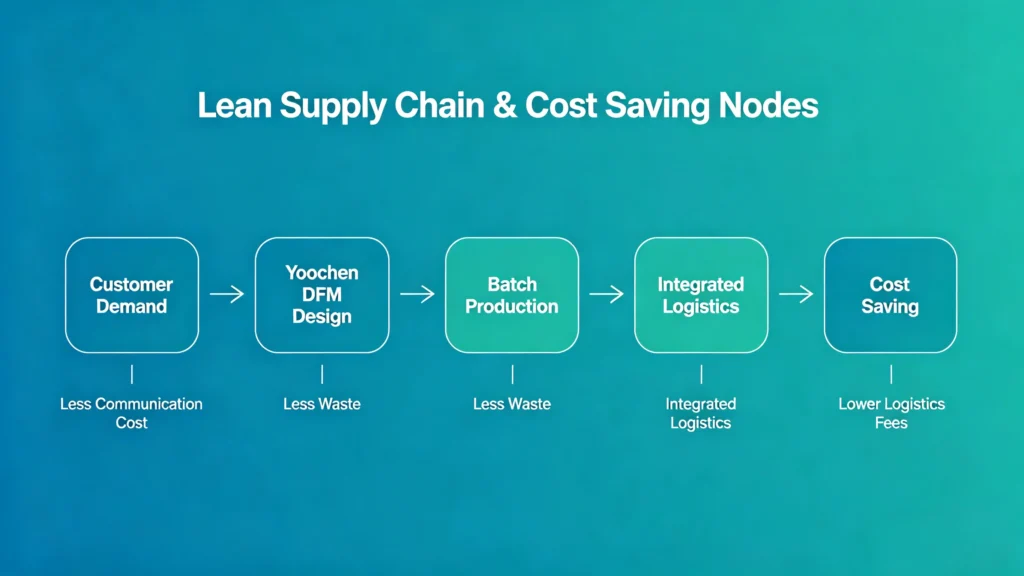
Working with multiple vendors (design, machining, assembly) adds coordination costs. A one-stop supplier like Yoochen Plastic:
- Integrates design, production, assembly, and shipping.
- Reduces communication delays and hidden fees.
- Offers bundled pricing for full-service solutions.
We handle end-to-end custom plastic part production—from design optimization to final delivery—saving you time and money.
9. Negotiate Long-Term Contracts
Long-term partnerships with suppliers lead to better pricing:
- Lock in rates for repeat parts.
- Gain access to priority production and volume discounts.
Yoochen Plastic offers flexible long-term contracts for recurring orders, ensuring consistent quality and cost savings.
10. Conduct Regular Cost Audits
Review production costs annually to identify inefficiencies:
- Analyze material waste, cycle times, and tooling costs.
- Adjust processes or materials based on performance data.
Our team provides detailed cost breakdowns and regular audits to ensure your custom plastic parts remain cost-effective.
Yoochen Plastic: Your Cost-Effective Custom Plastic Partner
At Yoochen Plastic (https://www.yoochenplastic.com), we specialize in delivering high-quality custom plastic parts at competitive prices. Our cost-saving approach combines:
- Free DFM design optimization to reduce manufacturing costs.
- Flexible material selection (standard, recycled, alloy) to fit your budget.
- Multiple manufacturing processes (CNC machining, injection molding, thermoforming) tailored to your volume.
- Lean production practices to minimize waste and inefficiencies.
- One-stop service to eliminate vendor coordination costs.
Whether you need prototypes, small-batch parts, or mass production, we work with you to implement these cost-saving strategies without compromising quality.
Conclusion
Reducing cost in custom plastic parts doesn’t mean sacrificing quality—it means optimizing design, material, process, and supply chain. By implementing these 10 strategies, you can cut costs by 30% or more while maintaining performance and durability.
Partnering with a trusted supplier like Yoochen Plastic simplifies the process, providing expert guidance and cost-effective solutions tailored to your project. Start saving today with our custom plastic fabrication services.