



Custom Plastic Adhesion Bonding Services | 13+ Years Structural Fabrication Expert
- Home /
- Adhesion Bonding
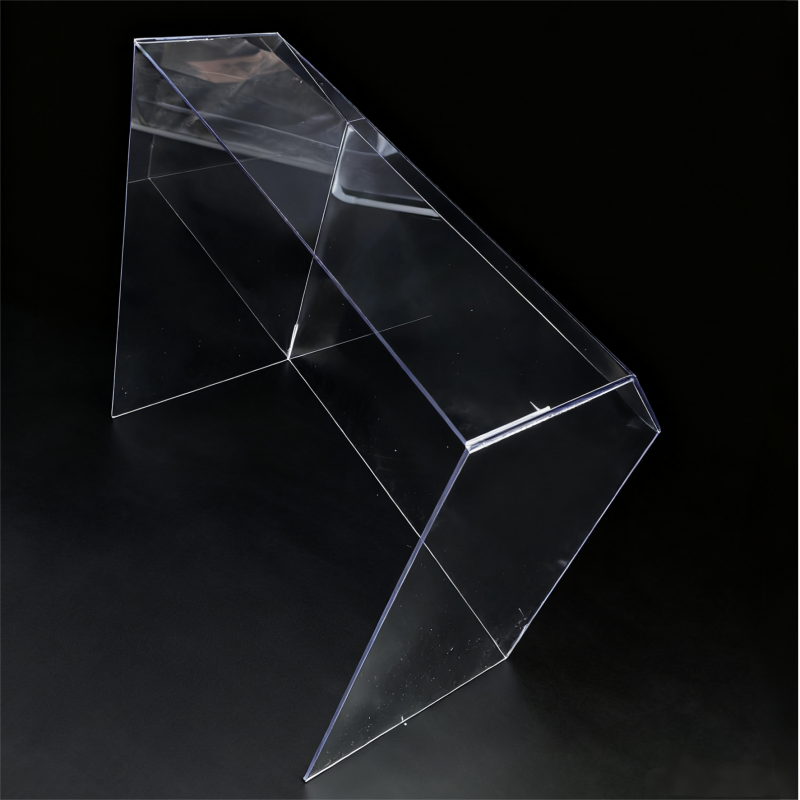
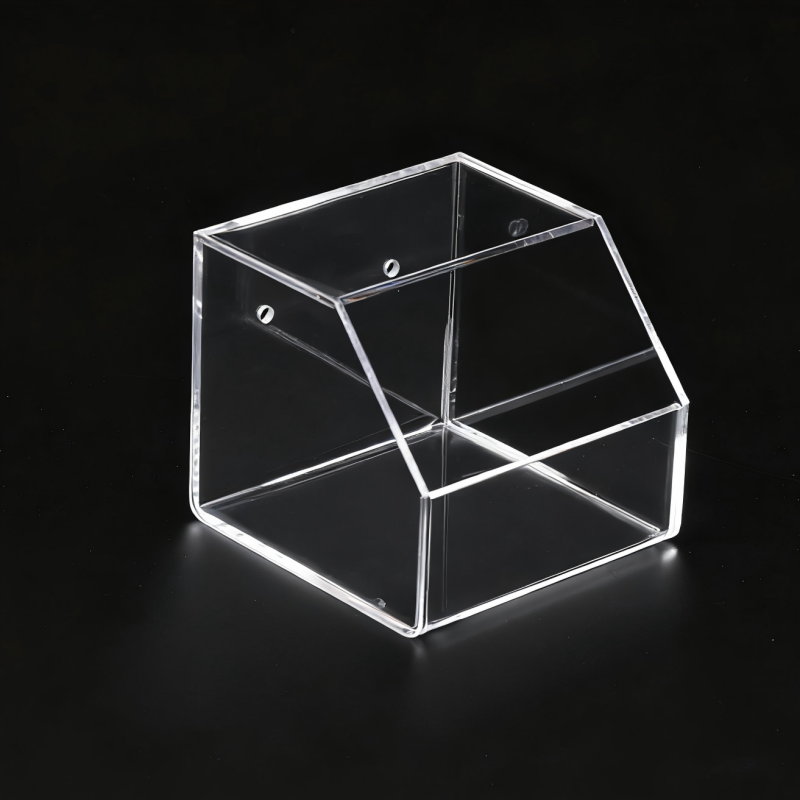
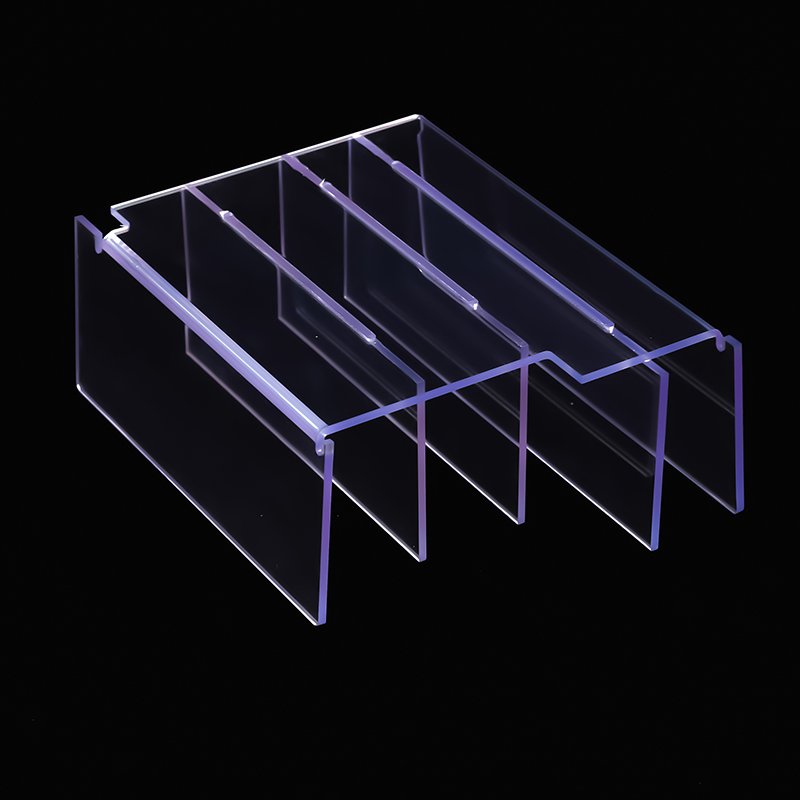
Our Adhesion Bonding Services
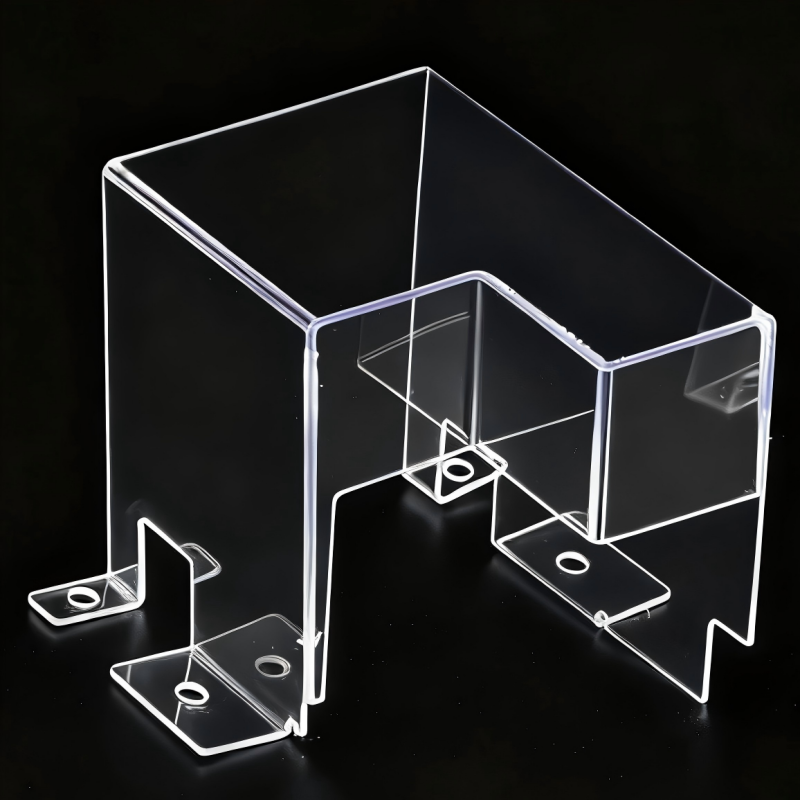
Plastic adhesion bonding is a sophisticated chemical and structural fabrication process used to permanently join thermoplastic sheets, profiles, or molded parts together. By deploying specialized solvent cements, UV-curable adhesives, or high-strength two-part epoxies, this process creates seamless, optically clear, and structurally sound joints that often exceed the strength of the parent plastic material itself, entirely eliminating the need for bulky mechanical fasteners.
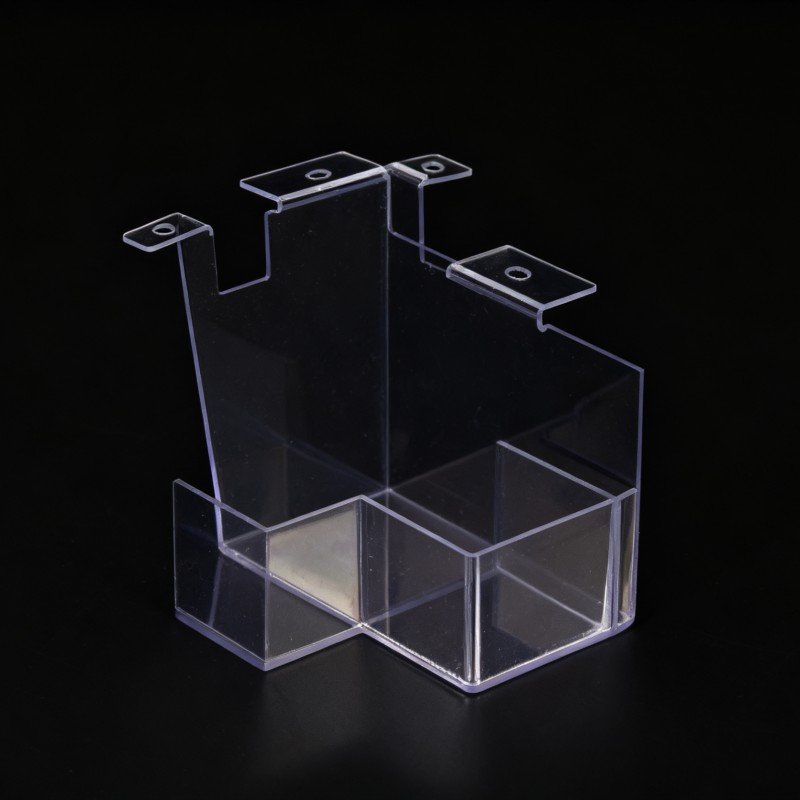
We professionally provide premium plastic sheet adhesion bonding and solvent welding services. Utilizing advanced cleanroom dispensing environments, precise multi-axis positioning fixtures, and industrial UV curing systems, we process high-quality substrates including Acrylic (PMMA), Polycarbonate (PC), ABS, PETG, and PVC. We can custom-fabricate high-strength museum-grade acrylic displays, dust-proof industrial equipment housings, custom fluid manifolds, clear protective glove boxes, and complex multi-layered architectural panels.
We support custom designs according to your technical drawings (STEP, CAD, DXF, DWG) or samples. From fast fluid-tight prototyping to high-volume contract manufacturing, we offer a true one-stop fabrication ecosystem including laser cutting, profile milling & grooving, diamond edge polishing, and final product assembly.
Share:
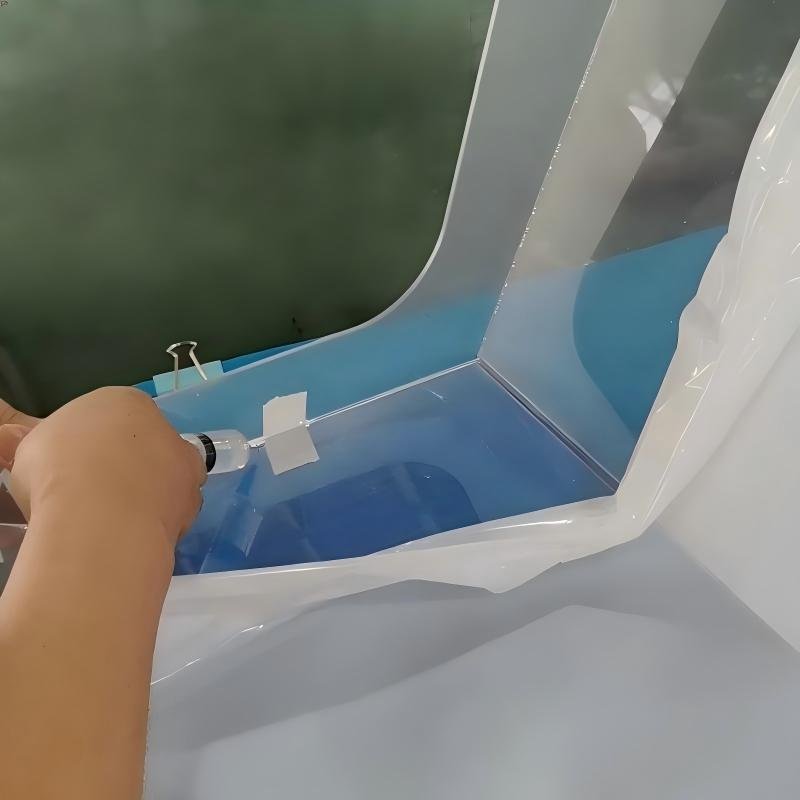
How It Works (The Adhesion Bonding Process)
Achieving a crystal-clear, bubble-free joint with absolute structural integrity requires flawless surface preparation and meticulous chemical curing control.
- Precision Component Edge Preparation: Pre-cutting panels using CNC routers or lasers, followed by specialized diamond edge polishing to ensure perfectly square, gap-free mating surfaces.
- Annealing & Stress Relief: Pre-heating materials like Acrylic or Polycarbonate in temperature-controlled ovens to completely eliminate internal machining stresses, preventing joint crazing (micro-cracking) when chemicals are applied.
- Substrate Cleaning & Degreasing: Utilizing high-purity isopropyl alcohol (IPA) in a dust-controlled station to remove all surface dust, oils, and static fingerprints.
- Fixture Alignment & Masking: Securing the components into custom-built jig fixtures and applying protective masking films to isolate only the target joint line.
- Adhesive Dispensing (Capillary or Injection): Utilizing micro-needles to introduce specialized solvent cements or UV resins into the joints smoothly.
- Controlled Curing & Quality Audit: Exposing joints to high-intensity UV curing lines or maintaining pressure for solvent welding, followed by full 100% cosmetic and structural inspections.
Materials & Technical Specifications
Compatible Materials
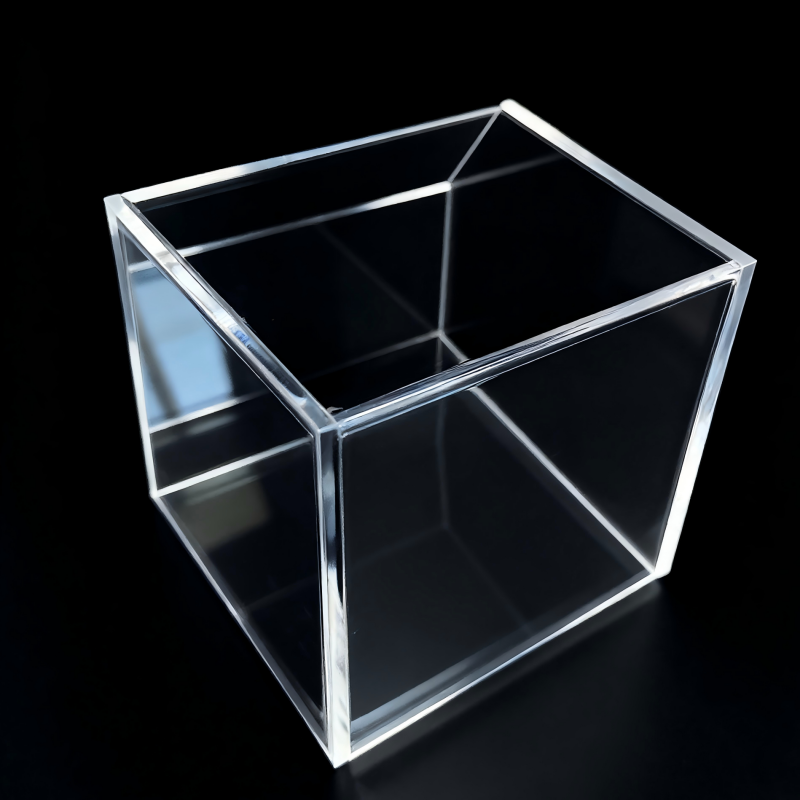
Acrylic (PMMA): The premier material for solvent bonding; achieves flawless, completely seamless, and “invisible” crystal-clear corner joints.
Polycarbonate (PC) & PETG: Bonded using high-impact structural adhesives or UV resins, perfect for rugged machinery shields and pressure-resistant enclosures.
ABS / PVC: Highly responsive to solvent welding, creating durable, fluid-tight, and chemical-resistant industrial chutes and industrial boxes.
Technical Capabilities & Joint Styles
- Bonding Joint Types: Right-angle butt joints, mitered joints, lap joints, tongue-and-groove joints, and multi-layer face laminations.
- Maximum Bonding Length: Scalable up to $2440\text{mm}$ (Custom heavy-gauge and over-sized fabrications available).
- Specialized Finishes: Optical clarity retention, bubble-free capillary lines, and certified watertight/airtight fluid seals.
Thickness & Size Range
Applications
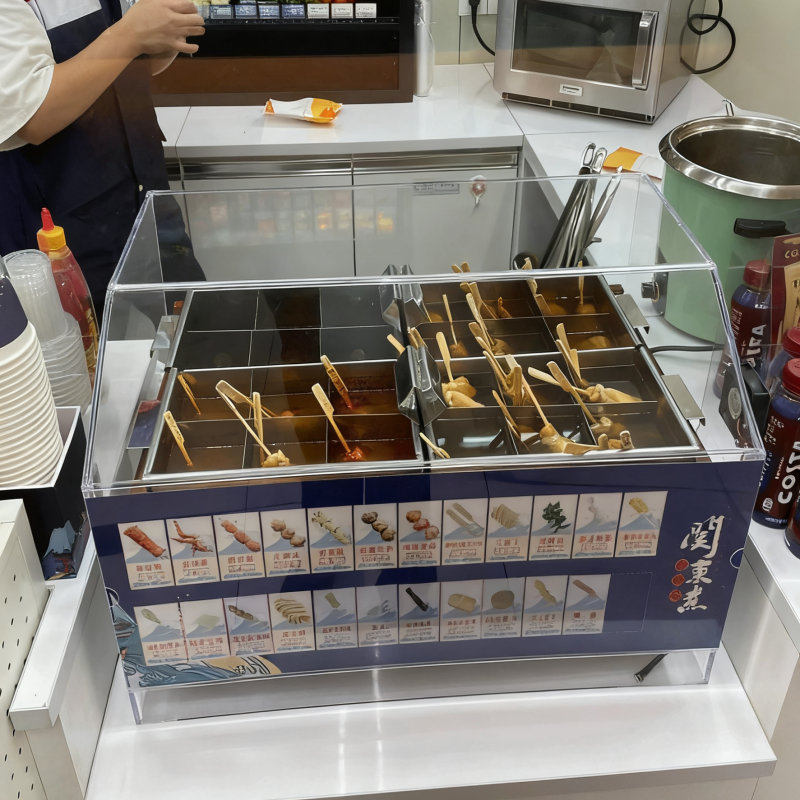
Luxury Retail & Museum Displays: Crystal-clear acrylic showcases, display pedestals, dust-proof exhibit boxes, and signage mounts.
Industrial & Medical Equipment Enclosures: Laboratory glove boxes, clear chemical tanks, protective fluid manifolds, and medical isolators.
Heavy-Duty Machinery Guards: Deep-box polycarbonate protective covers, splash hoods, and conveyor containment blocks.
Signage & Architectural Features: Multi-layered structural logos, custom lightboxes, and thick laminated decorative interior panel matrices.
Key Advantages of Adhesion Bonding
Optically Clear & Seamless Aesthetics: Eliminates unsightly screws, rivets, or overlapping flanges, yielding smooth, museum-quality clear edges that are perfect for high-end retail displays and medical housings.
Uniform Load Distribution: Unlike mechanical fastening which creates localized stress points around screw holes, adhesion bonding distributes load forces evenly across the entire surface line, maximizing impact durability.
Watertight & Leak-Proof Seals: Capillary solvent welding fuses the plastic molecules into a single, continuous piece, providing reliable, fluid-tight structural barriers for tanks and manifolds.
Complex 3D Configurations: Allows for the engineering of complex, enclosed 3D geometric shapes that cannot be physically produced via standard single-sheet heat bending or vacuum forming.
Quality & Precision
Raw material cutting verification → Thermal oven stress annealing → Micro-gap fixture clamping → Contamination-free adhesive injection → UV/Solvent cross-linking curing → Joint bubble & bond-strength inspection → Safe export packaging.
We guarantee zero structural joint crazing, uniform adhesive distribution, and exact adherence to your technical CAD blueprints.
Why Choose Us
13+ Years of Specialized Thermoplastic Substrate Assembly: Rich chemical expertise in managing polymer-to-polymer bonding dynamics without material degradation.
Dust-Controlled Fabrication Environments: Clean, specialized production bays designed to completely eliminate dust entrapment inside clear joints.
Full-Scale Secondary Processing Capability: Seamlessly transition your design from raw bonding to plastic engraving, drilling & punching, and multi-axis CNC milling.
Reliable Global B2B Supply Chain: Fast factory-direct pricing response, nimble structural prototyping advice, and seaworthy/airworthy protective wood-crate packaging.
FAQ
Q: Will the bonded joints look yellow or turn cloudy over time?
A: No. We utilize premium-grade, industrial UV-stabilized solvent cements and optical resins that are specifically engineered to remain crystal clear, preventing any yellowing, whitening, or cloudiness even under long-term exposure to sunlight.
Q: What is the main difference between Adhesion Bonding and Mechanical Fastening?
A: Mechanical fastening uses screws, brackets, or rivets, which is excellent for components that need to be disassembled later but creates localized stress points. Adhesion bonding chemically fuses the materials together, providing a completely seamless aesthetic, airtight/watertight seals, and uniform load distribution.
Q: Why is “annealing” necessary before bonding Acrylic or Polycarbonate?
A: When plastics are machined or cut, localized internal stress is locked into the material. If a chemical solvent is applied directly to a stressed sheet, it can cause “crazing” (thousands of tiny micro-cracks). We pre-bake (anneal) our high-end components in an oven to relieve this stress, ensuring a flawless, strong joint.
Q: Can you achieve a 100% bubble-free joint on clear acrylic boxes?
A: For high-end display applications, our expert technicians deploy precise capillary-action welding techniques inside a clean setup to achieve nearly 100% bubble-free joints. For exceptionally thick sheets, minor micro-bubbles may occasionally occur, but these do not impact structural integrity.
Q: What types of technical layout files do you require for an inquiry?
A: We accept vector and 3D CAD formats, including STEP, STP, DXF, and DWG. Providing an assembly drawing that highlights the specific joint lines helps our engineers evaluate your project much more efficiently.