





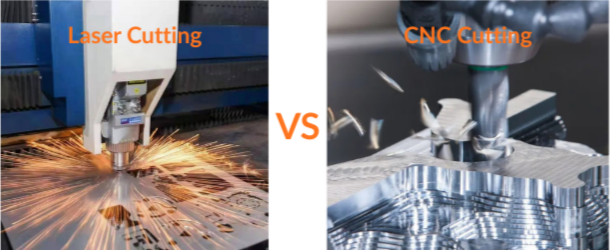
Laser Cutting vs CNC Cutting
Plastic fabrication—whether acrylic, PC, ABS, or other thermoplastics—often requires precise cutting to create custom components, prototypes, and finished products. Among the most widely used technologies in plastic processing are laser cutting and CNC cutting.
Both methods offer high precision and efficiency, but they differ significantly in technology, performance, cost, and suitability for specific plastic types and project requirements.
In this article, we will compare laser cutting vs CNC cutting for plastic, including their advantages, limitations, and ideal use cases, which can help you choose the right method for your project. This guide will help you choose the best cutting method for your project.
What Are Laser Cutting and CNC Cutting for Plastic?
What Is Laser Cutting?
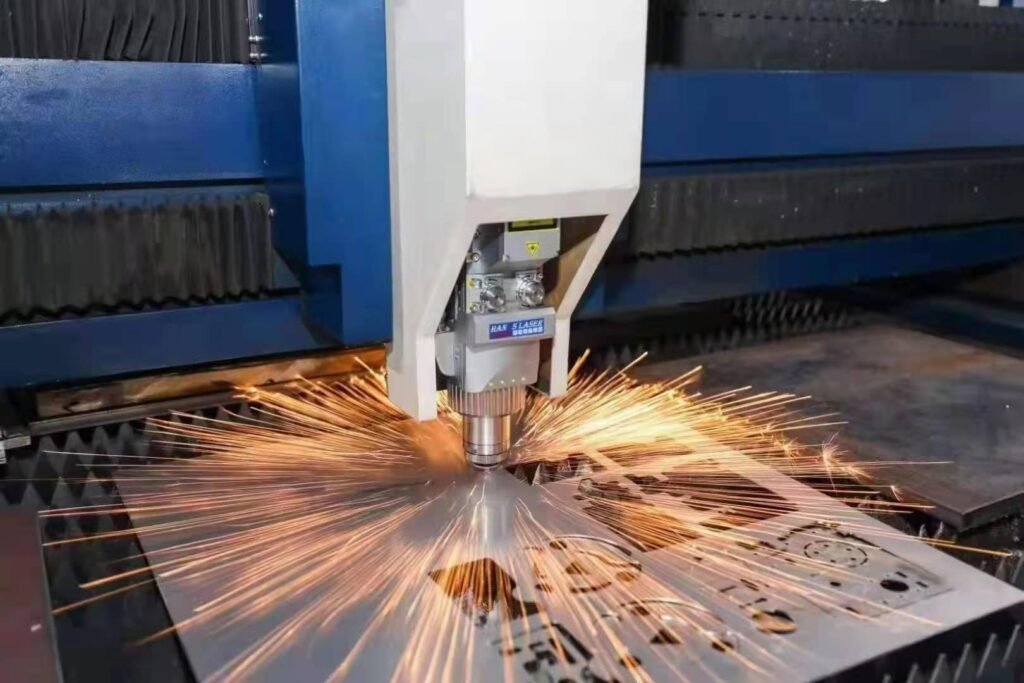
Laser cutting is a manufacturing process that uses a high-powered laser beam (typically CO2 or fiber lasers) to melt, burn, or vaporize plastic material along a predefined path. The laser is controlled by computer software to cut or engrave materials, ensuring non-contact cutting with extreme precision. It’s ideal for thin to medium-thickness plastics and complex shapes.
Laser cutting is commonly used for materials such as:
- Acrylic (PMMA)
- Polycarbonate (PC)
- PET
- ABS
- Thin plastic sheets
Typical applications include:
- Signage panels
- Acrylic displays
- Decorative parts
- Lighting panels
- Custom plastic components
Professional laser cutting services are widely used in industries such as retail displays, advertising, and electronics.
What Is CNC Cutting?
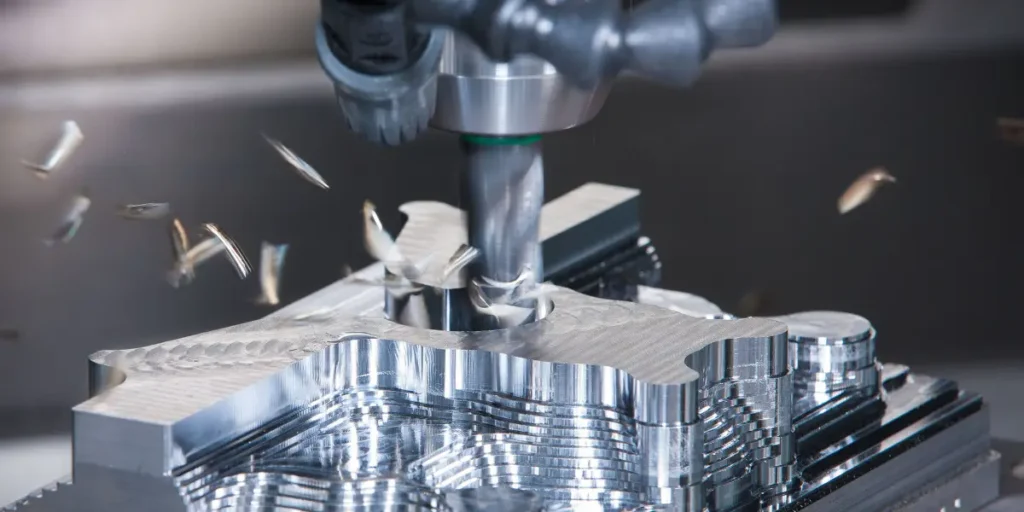
CNC cutting (often referred to as CNC routing or milling) uses physical cutting tools (endmills, routers, or blades) to remove plastic material through rotational or linear motion. The process is computer-controlled, offering high precision for thick plastics, structural parts, and projects requiring tight tolerances.
Unlike laser cutting, CNC cutting is a mechanical machining process.
CNC cutting is suitable for:
- Thick plastic sheets
- Engineering plastic parts
- Structural components
Common applications include:
- Machine guards
- Industrial components
- Mechanical parts
- Plastic housings
- Precision plastic parts
Many manufacturers rely on CNC machining for plastic fabrication to achieve high dimensional accuracy.
Laser Cutting vs CNC Cutting: Key Differences
| Factor | Laser Cutting for Plastic | CNC Cutting for Plastic |
| Cutting Principle | Non-contact (laser beam melts/vaporizes plastic) | Contact (physical tools remove material) |
| Precision | Very high, ideal for fine details and complex shapes | High, better for tight tolerances and structural parts |
| Material Thickness | Best for thin to medium plastics (0.5–10mm) | Ideal for thick plastics (3–50mm+), supports heavy-duty cutting |
| Edge Quality | Smooth, clean edges (no burrs for acrylic/PC), minimal post-processing | May have minor burrs (requires sanding), but flat, consistent edges for structural use |
| Speed | Faster for thin plastics and complex patterns (no tool changes needed) | Slower for intricate designs, but efficient for thick plastics and bulk cutting |
| Heat Affected Zone (HAZ) | Minimal for CO2 lasers, but may cause slight melting on heat-sensitive plastics (e.g., ABS) | No HAZ—safe for heat-sensitive plastics |
| Plastic Compatibility | Works well with acrylic, PC, PETG; avoid PVC (releases toxic fumes) | Compatible with all plastics (ABS, acrylic, PC, PVC, nylon) – no material restrictions |
| Complexity | Excellent for 2D shapes, holes, slots, and intricate engravings | Supports 2D/3D cutting, milling, drilling, and complex structural features |
| Cost | Lower setup cost for small batches; higher per-unit cost for thick plastics | Higher setup cost (tooling), but lower per-unit cost for large batches and thick plastics |
| Post-Processing | Minimal (edges are ready to use for most applications) | Required (sanding, deburring) for smooth finishes |
When to Choose Laser Cutting for Plastic
Laser cutting is the best option when your project requires:
- Thin plastic sheets: For acrylic displays, PC light covers, or PETG signage (0.5–10mm thick), laser cutting delivers fast, clean results.
- Smooth polished edges: Laser-cut acrylic and PC have smooth, transparent edges that require no post-processing—perfect for visible parts like display cases or equipment panels.
- Complex shapes or patterns: Intricate patterns, small holes, or 2D engravings (e.g., custom logos on acrylic keychains) benefit from laser cutting’s precision and speed.
- Small to medium batches: Laser cutting has low setup time, making it cost-effective for prototypes, samples, or small production runs.
- High-speed production
It is especially popular for acrylic fabrication and display products.
When to Choose CNC Cutting for Plastic
CNC machining is the better choice when you need:
- Thick plastic sheets: For ABS structural parts, PC machine guards, or PVC components (3mm+ thick), CNC cutting handles heavy-duty material removal without cracking or melting.
- High-strength components: Projects like precision equipment brackets, medical device components, or automotive parts (±0.05mm tolerance) rely on CNC cutting’s accuracy.
- Heat-sensitive plastics are used: Materials like PVC, nylon, or certain grades of ABS can be damaged by laser heat. CNC cutting’s contact method avoids this risk.
- 3D features or structural cuts are needed: CNC cutting supports milling, drilling, threading, and 3D profiling (e.g., grooving in PC RF plates or bonding preparation in plastic assemblies).
- Large batches are planned: While setup costs are higher, CNC cutting becomes more cost-effective for mass production, as tooling costs are spread across more units.
- Precision mechanical parts
- Engineering plastic machining
It is commonly used for polycarbonate parts and industrial plastic components.
Our plastic CNC machining service specializes in thick plastic cutting, offering deburring and finishing options to meet structural and aesthetic requirements for industrial applications.
Common Misconceptions About Laser vs CNC Cutting for Plastic
- “Laser cutting is always more precise than CNC”: No—CNC cutting offers tighter tolerances (±0.05mm vs. laser’s ±0.1mm) for structural parts, while laser is better for fine details.
2. “CNC cutting is only for metal”: False—CNC cutting is highly versatile for plastics, with specialized tools designed to prevent chipping and cracking.
3. “Laser cutting works for all plastics”: No—PVC releases toxic chlorine gas when laser-cut, and heat-sensitive plastics may warp or melt.
4. “CNC cutting is too slow”: While slower for intricate designs, CNC cutting is faster than laser for thick plastics (10mm+), as it doesn’t require multiple passes.
Get Professional Plastic Cutting Solutions from Yoochen Plastic
Choosing between laser cutting and CNC cutting for plastic depends on your material thickness, design complexity, tolerance requirements, and production volume. For most projects, a combination of both methods may be optimal—for example, laser cutting for intricate details and CNC cutting for structural features.
At Yoochen Plastic, we offer both plastic laser cutting services and plastic CNC machining, with expertise in processing acrylic, PC, ABS, PVC, and other thermoplastics. Our capabilities include:
• Precision laser cutting for thin/medium plastics (0.5–10mm)
• CNC routing/milling for thick plastics (3–50mm+)
• Deburring, polishing, and post-processing
• Custom designs for industrial, medical, automotive, and retail applications • OEM/ODM support with fast sampling and bulk production
Whether you need a prototype or mass-produced plastic components, our team will help you select the right cutting method and optimize your design for efficiency and quality.
Conclusion
Laser cutting and CNC cutting are both essential tools for plastic processing, but they’re not interchangeable.
- Laser cutting excels at thin plastics, complex shapes, and clean edges,
- CNC cutting dominates thick materials, tight tolerances, and structural parts.
By understanding their key differences and working with a professional custom plastic cutting solutions provider like Yoochen Plastic, you can ensure your project meets performance, cost, and timeline requirements.
Contact us today to discuss your plastic cutting needs and get expert guidance on laser vs CNC cutting for your application.