






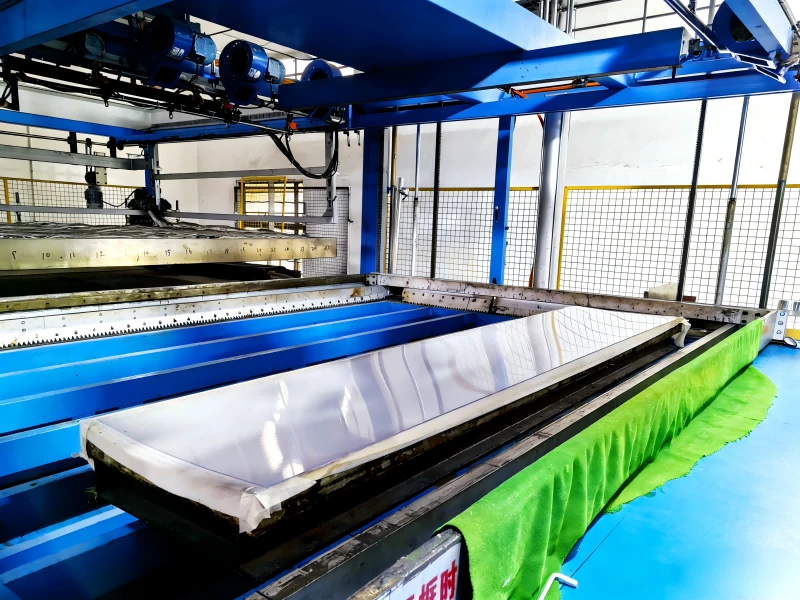
Vacuum forming (also known as thermoforming) is a versatile, cost-effective manufacturing process for producing plastic parts—from simple trays to complex industrial components. It’s widely used in automotive, medical, retail, and electronics industries for its ability to create large, lightweight parts at scale with minimal tooling costs.
If you’re wondering how the vacuum forming process works, what materials it supports, or why it’s the right choice for your project, this article breaks down every step, advantage, and application. We’ll also share how professional industrial thermoforming solutions can help you optimize quality and efficiency.
What Is Vacuum Forming?
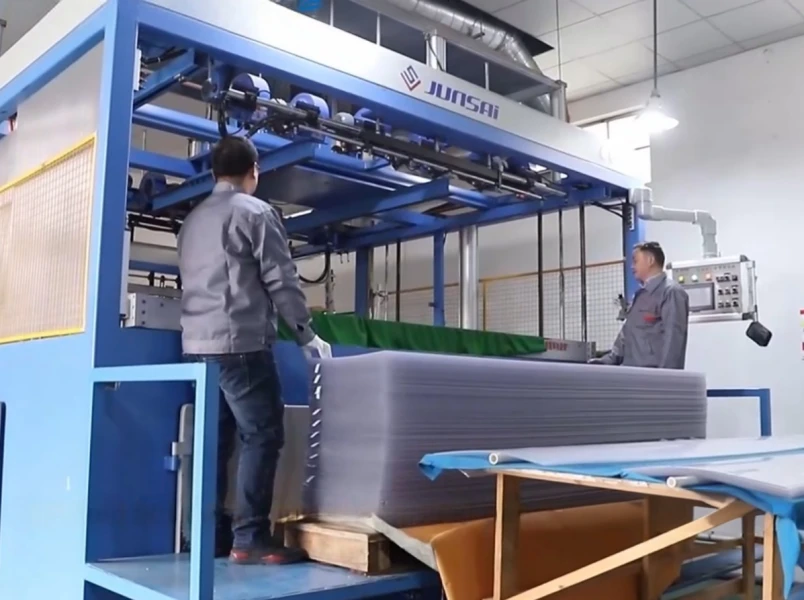
Vacuum forming is a type of thermoforming process where a sheet of thermoplastic (e.g., acrylic, PC, ABS, PETG) is heated to a pliable state, then draped over a mold. A vacuum is applied to suck the plastic tightly against the mold’s surface, forming the desired shape. Once cooled and hardened, the plastic part is trimmed to the final dimensions.
Unlike injection molding (which requires expensive, complex molds), vacuum forming uses low-cost single-sided molds, making it ideal for low-to-medium volume production and custom parts.
This process is ideal for producing:
- Thin-walled plastic parts
- Large components
- Custom-shaped products
Vacuum Forming Process Step-by-Step
The vacuum forming process consists of 6 core steps, each critical to achieving high-quality parts:
1. Material Selection
Choose the right thermoplastic sheet based on your application:
- Acrylic (PMMA): Ideal for transparent parts (displays, light covers) with excellent clarity and weather resistance.
- PC (Polycarbonate): Perfect for high-impact, durable parts (machine guards, automotive components) with heat resistance.
- ABS: Suitable for structural parts (enclosures, trays) with good rigidity and chemical resistance.
- PETG: Food-safe option for packaging, medical devices, or retail displays.
- PVC: Cost-effective choice for non-food contact parts (signage, industrial covers).
Our acrylic vacuum forming and PC vacuum forming services use high-grade materials with consistent thickness (0.5–12mm) to ensure uniform forming.
2. Mold Preparation
Molds for vacuum forming can be made from wood, aluminum, or 3D-printed plastic:
- Wooden molds: Low-cost, ideal for prototypes or small batches.
- Aluminum molds: Durable, heat-conductive, suitable for high-volume production.
- 3D-printed molds: Fast turnaround for custom designs or complex shapes.
The mold is polished and treated to prevent the plastic from sticking. For precise parts, we use CNC-machined aluminum molds with tight tolerances.
3. Heating the Plastic Sheet
The plastic sheet (such as acrylic, ABS, or polycarbonate) is clamped into a frame and heated in an oven (typically 120–200°C, depending on the material). The goal is to heat the sheet until it’s soft and pliable (not melted) to ensure it conforms to the mold’s shape without tearing.
Our industrial vacuum forming equipment uses precise temperature control to avoid overheating or uneven heating—critical for materials like PC and ABS.
4. Forming Over the Mold
Once the plastic is heated, the frame moves the sheet over the mold. A vacuum pump creates negative pressure (typically -80 to -95 kPa), sucking the plastic tightly against the mold’s surface. The plastic conforms to every detail of the mold, from simple curves to complex contours.
5. Cooling & Hardening
Once formed, the plastic is cooled to retain its shape.
The formed part is cooled using air jets or water-cooled molds to speed up solidification. Cooling time depends on material thickness (10–60 seconds for thin sheets, several minutes for thick parts). Proper cooling prevents warping and ensures dimensional stability.
6. Trimming and Finishing
After cooling, the part is removed from the mold and trimmed using laser cutting, CNC routing, or die cutting to remove excess material. Additional finishing steps may include:
- Deburring to smooth edges.
- Drilling, tapping, or slotting for assembly.
- Painting, silk-screening, or UV coating for aesthetic or functional purposes.
Our plastic vacuum forming services include full finishing capabilities, delivering ready-to-assemble parts that meet your exact specifications.
Advantages of Vacuum Forming
Why choose vacuum forming for your plastic parts?
Cost-Effective Tooling
Molds are 50–80% cheaper than injection molding molds, ideal for startups and custom projects.
Fast Production
The process is quick and efficient, mold production and part forming are quicker (1–2 weeks for prototypes, vs. 4–8 weeks for injection molding).
Large Part Capability
Can produce parts up to 3m x 5m (perfect for automotive dashboards, industrial enclosures).
Design Flexibility
Vacuum forming allows for complex shapes and customized designs.
Lightweight Products
The final parts are lightweight but still strong and durable, reducing product weight and shipping costs.
Material Versatility
Works with all thermoplastics, including transparent, flame-retardant, and food-safe grades.
Cost-Effective Scaling
Economical for low-to-medium volumes (100–10,000 parts) and easy to scale up with aluminum molds.
Common Applications
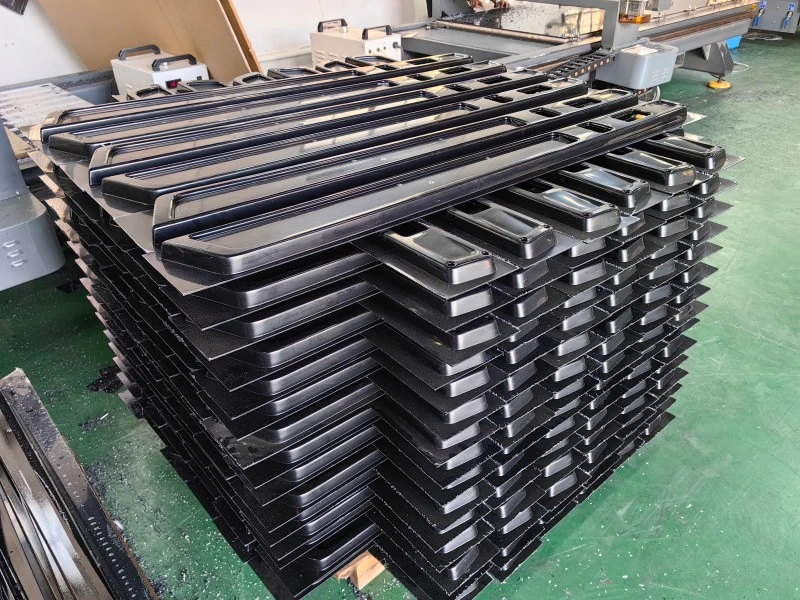
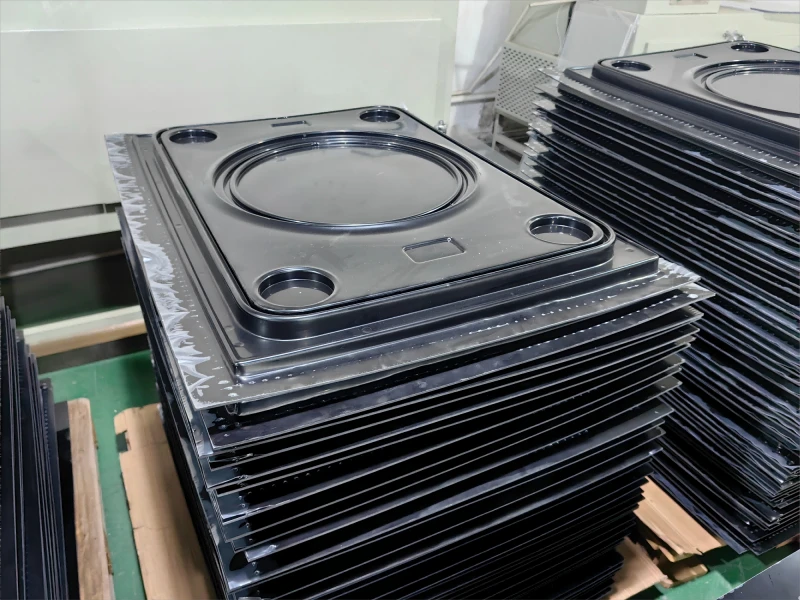
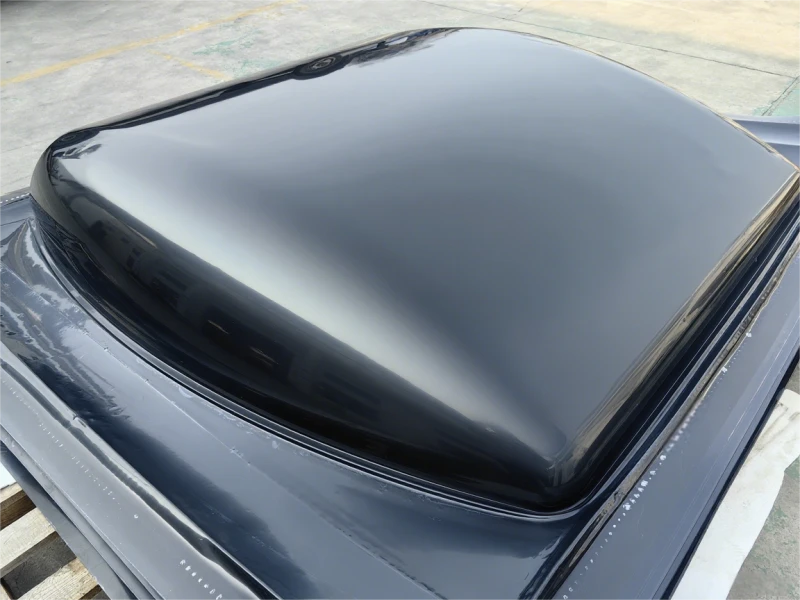
Vacuum forming is used across industries for a wide range of parts:
- Automotive: Door panels, dashboards, interior trims, battery covers (often using PC or ABS vacuum forming).
- Medical: Equipment enclosures, tray organizers, sterile device covers (food-safe PETG or PC).
- Retail: Display cases, product stands, point-of-purchase (POP) signage (acrylic or PETG).
- Industrial: Machine guards, equipment covers, storage trays (PC or ABS).
- Electronics: Device enclosures, keyboard housings, cable management trays (ABS or PC).
Many industries rely on vacuum forming services for both functional and aesthetic plastic parts.
Vacuum Forming vs. Injection Molding: Which Is Better?
| Factor | Vacuum Forming | Injection Molding |
| Tooling Cost | Low (single-sided molds) | High (complex two-part molds) |
| Production Volume | Ideal for low-to-medium batches (100–10,000) | Better for high volumes (10,000+) |
| Part Complexity | Best for simple-to-medium shapes | Supports complex 3D shapes, undercuts |
| Part Thickness | Thin-walled (0.5–12mm) | Thick or variable wall thickness |
| Turnaround Time | Fast (1–2 weeks) | Slow (4–8 weeks) |
| Cost Per Part | Higher for small batches, lower for medium batches | Lower for high batches |
For most industrial applications requiring custom shapes, low tooling costs, or fast turnaround, vacuum forming is the more practical choice.
Get Professional Vacuum Forming Services from Yoochen Plastic
If you’re looking for high-quality, cost-effective vacuum-formed parts, Yoochen Plastic offers comprehensive industrial thermoforming solutions for global clients. Our capabilities include:
- Material expertise: Acrylic, PC, ABS vacuum forming (1–12mm thickness).
- Mold design & manufacturing: Custom wooden, aluminum, or 3D-printed molds.
- Precision forming: Tight tolerances (±0.2mm) and consistent part quality.
- Full finishing: Trimming, drilling, painting, silk-screening, and assembly.
- OEM/ODM support: Custom designs, fast sampling, and low-to-medium volume production.
Whether you need prototypes, custom parts, or bulk production, our team of engineers will guide you through every step of the vacuum forming process—from material selection to final delivery.
Conclusion
The vacuum forming process is a versatile, cost-effective solution for manufacturing plastic parts across industries. Its low tooling costs, fast turnaround, and material flexibility make it ideal for custom projects, prototypes, and low-to-medium volume production.
If you need large or lightweight plastic components, vacuum forming may be the ideal solution.
By partnering with a professional plastic vacuum forming provider like Yoochen Plastic, you can leverage our expertise to optimize your design, reduce costs, and ensure consistent quality. Let us help you bring your plastic part ideas to life with reliable, efficient vacuum forming services.