






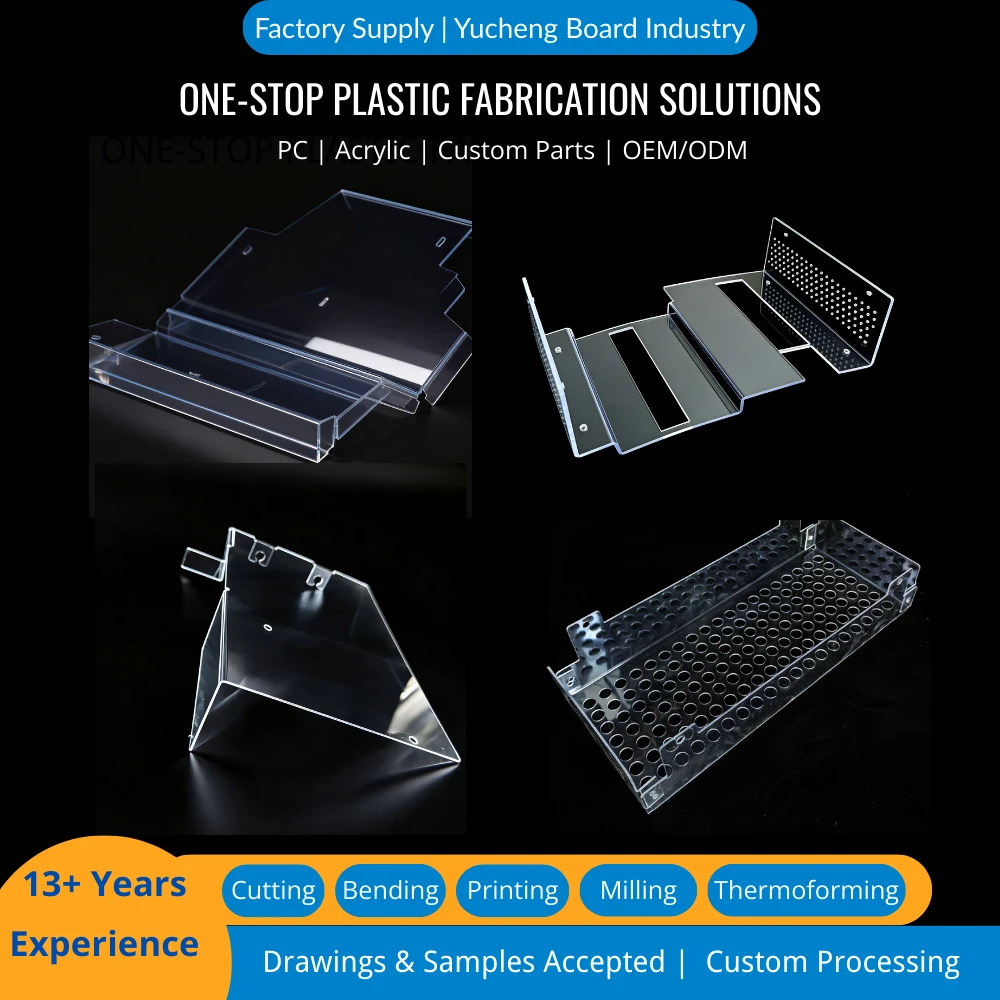
How to bend polycarbonate sheet safely and effectively? Polycarbonate (PC) sheet is a high-performance thermoplastic with exceptional impact resistance, transparency, and formability—making it ideal for safety guards, machine enclosures, architectural glazing, and industrial components. Bending PC sheet requires precise control of temperature, pressure, and radius to avoid cracking, warping, or optical defects. This guide covers all professional bending methods, step-by-step processes, and best practices.
Polycarbonate sheet is one of the most versatile engineering plastics, widely used for:
- machine guards
- protective covers
- transparent enclosures
- roofing panels
- industrial shielding
One of its biggest advantages is that it can be bent without breaking, but only if the correct method is used.
In this guide, we explain how to bend polycarbonate sheet safely and effectively, including both cold bending and heat bending techniques.
Can You Bend Polycarbonate Sheet?
Yes. Polycarbonate has excellent flexibility and impact resistance, making it suitable for bending without cracking.
However, improper bending can cause:
- stress whitening
- surface cracks
- deformation
- reduced strength
That’s why choosing the right bending method is critical.
1. Key Principles for Successful PC Bending
Before bending, understand these critical rules to ensure quality:
- Minimum Bend Radius: For solid PC sheet, minimum radius ≥ 150× sheet thickness (e.g., 3mm PC needs ≥450mm radius); thicker sheets require larger radii.
- Temperature Control: Hot bending works at 155–165°C; overheating (>220°C) causes yellowing, bubbling, or material degradation.
- Sheet Preparation: Clean the surface, mark bending lines clearly, and remove protective film along the bend area (for thick sheets).
- Springback Compensation: Over-bend by 5–10° to account for elastic recovery after cooling.
2. Cold Bending (Room-Temperature Bending)
What It Is
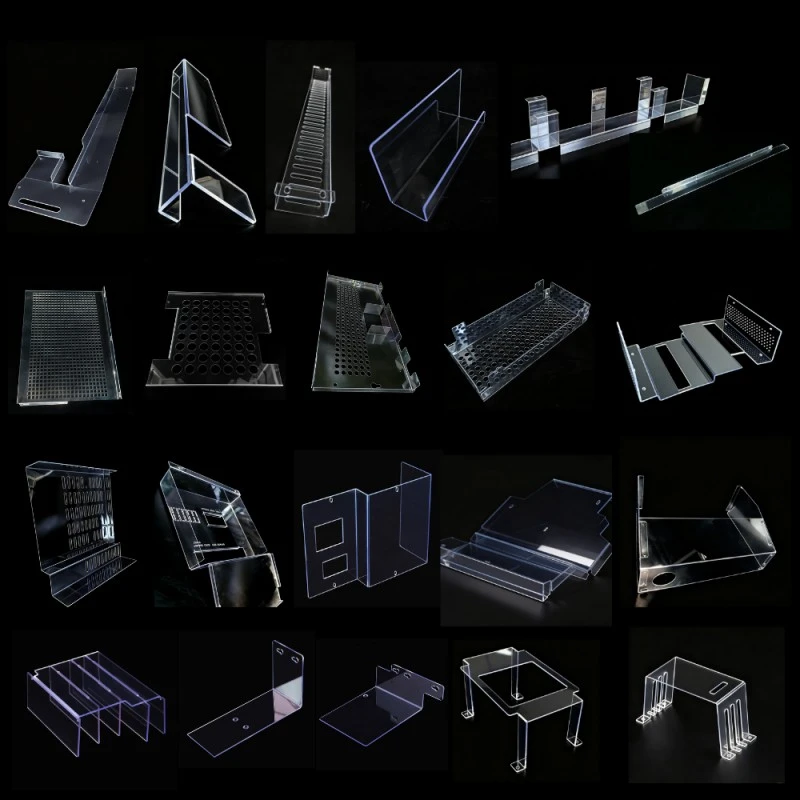
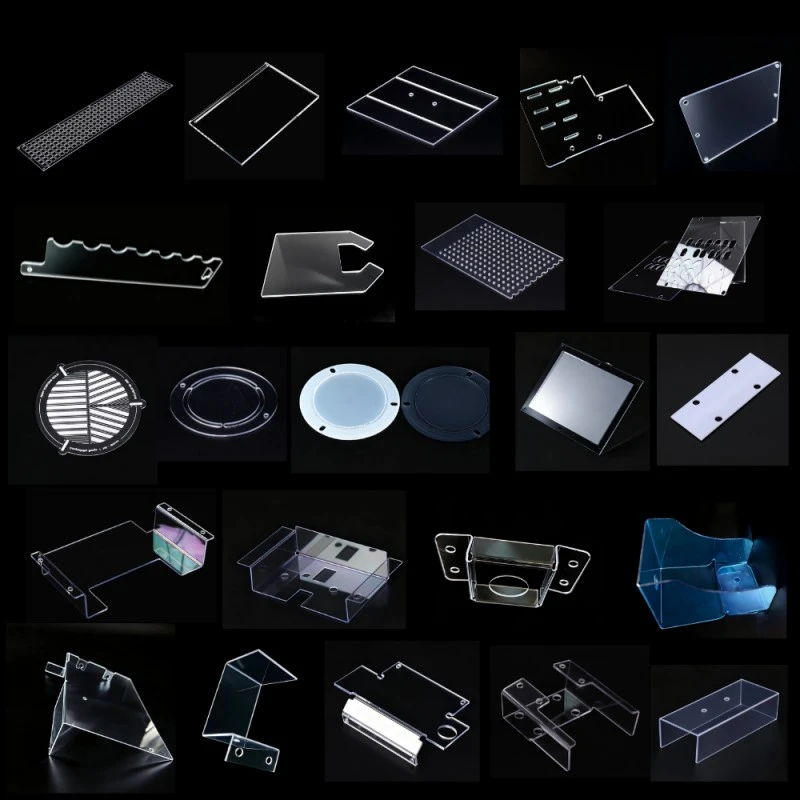
Bend PC sheet without heat, using its inherent flexibility at room temperature. Best for thin sheets (≤3mm) and large-radius curves (e.g., greenhouse glazing, curved partitions).
Step-by-Step Process
- Measure and mark the bending line; ensure the bend follows the sheet’s grain (for multi-wall PC).
- Secure the sheet to a curved mold or frame with clamps.
- Apply even, gradual pressure to bend along the marked line—do not force beyond the minimum radius.
- Fix the sheet in place until it retains shape (1–2 hours).
Advantages
- low cost
- no heating equipment required
- fast processing
- maintains material transparency
- no risk of overheating
Limitations
- bending radius is limited
- limited to thin sheets & large radii
- risk of stress cracks if over-bent
Best Applications
- large-radius curves
- protective covers
- architectural panels
- machine guards
Our cold bending plastic sheets process is widely used for industrial PC protective panels.
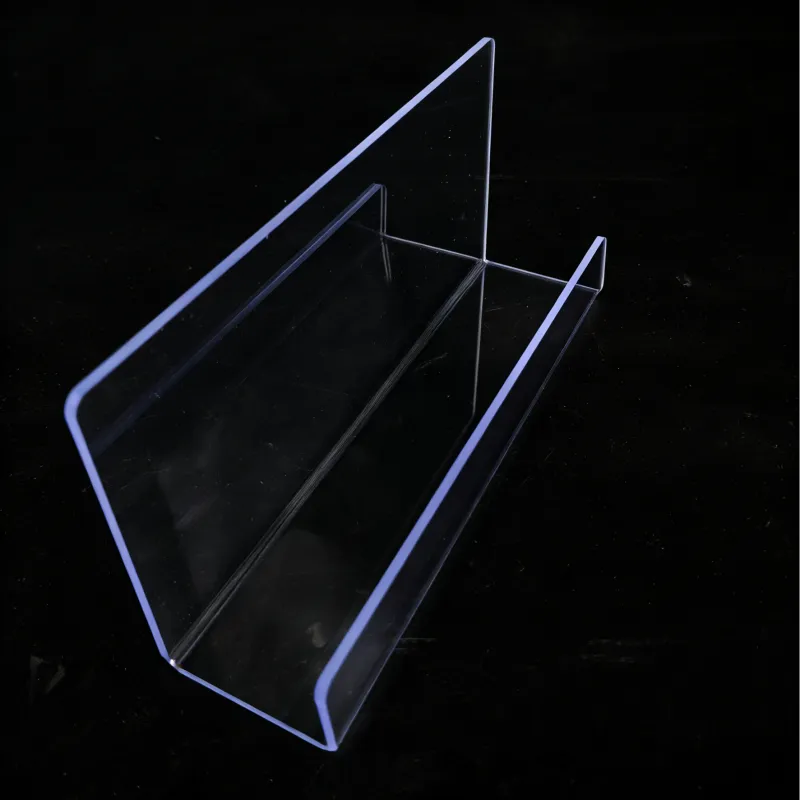
3. Hot Line Bending (Most Common Industrial Method)
What It Is
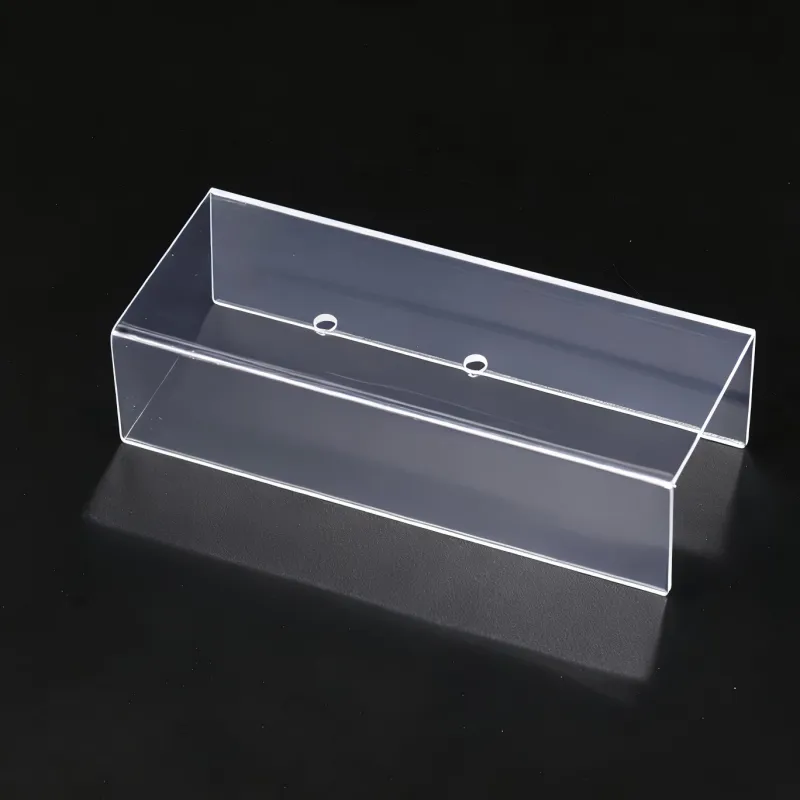
Localized heating of a narrow strip to soften PC, then bending to a precise angle (90°, 120°, etc.). Ideal for 3–20mm solid PC and custom safety guards/machine covers.
Step-by-Step Process
- Prep: Clean the sheet, mark the bend line, and set up a heat source (strip heater, infrared heater, or heat gun).
- Heating: For sheets <3mm: single-sided heating; ≥3mm: double-sided heating for uniform softening. Move heat source slowly (≈10cm/sec) along the line to avoid hot spots.
- Bending: Once the strip reaches 155–165°C, remove heat and bend to the desired angle (over-bend for springback).
- Cooling: Hold the bend with clamps or a mold until fully cooled (5–10 minutes) to lock in shape.
- Finishing: Polish edges if needed for safety and appearance.
Advantages
- high precision
- smaller bending radius
- better shape control
- reduced internal stress
- suitable for thicker sheets
Limitations
- requires heating equipment
- slower process
- risk of overheating if not controlled
- needs operator skill
Best Applications
- display structures
- custom enclosures
- curved covers
- precision components
We provide heat bending polycarbonate solutions for customized plastic parts with complex shapes.
| Factor | Cold Bending | Heat Bending |
| Equipment | Simple | Required |
| Speed | Fast | Slower |
| Radius | Large | Small |
| Accuracy | Medium | High |
| Stress | Higher | Lower |
Choose cold bending for simple curves
Choose heat bending for precision shapes
4. Thermoforming (3D Complex Bending)
What It Is
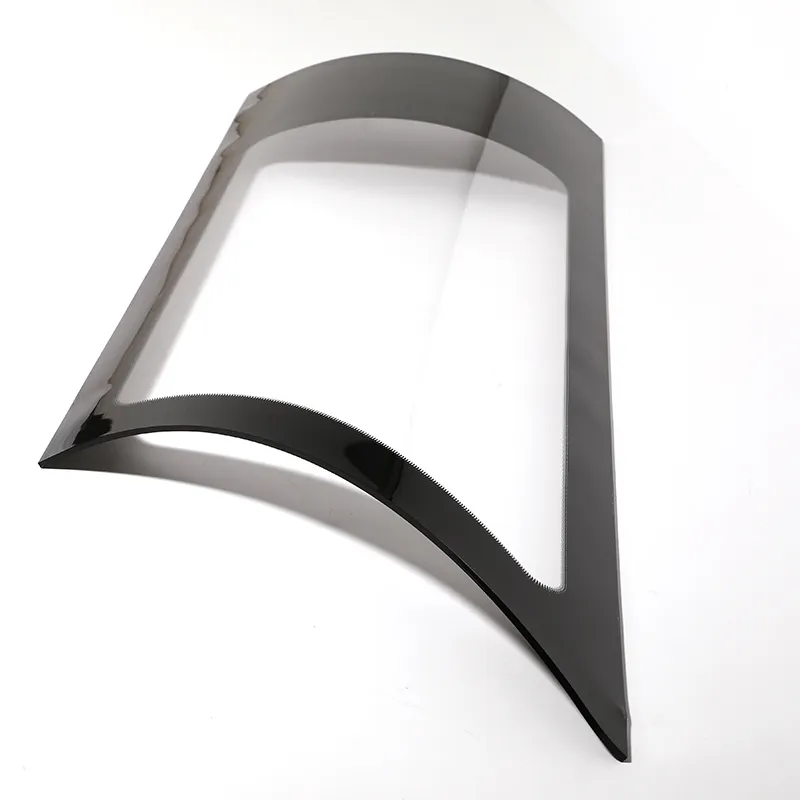
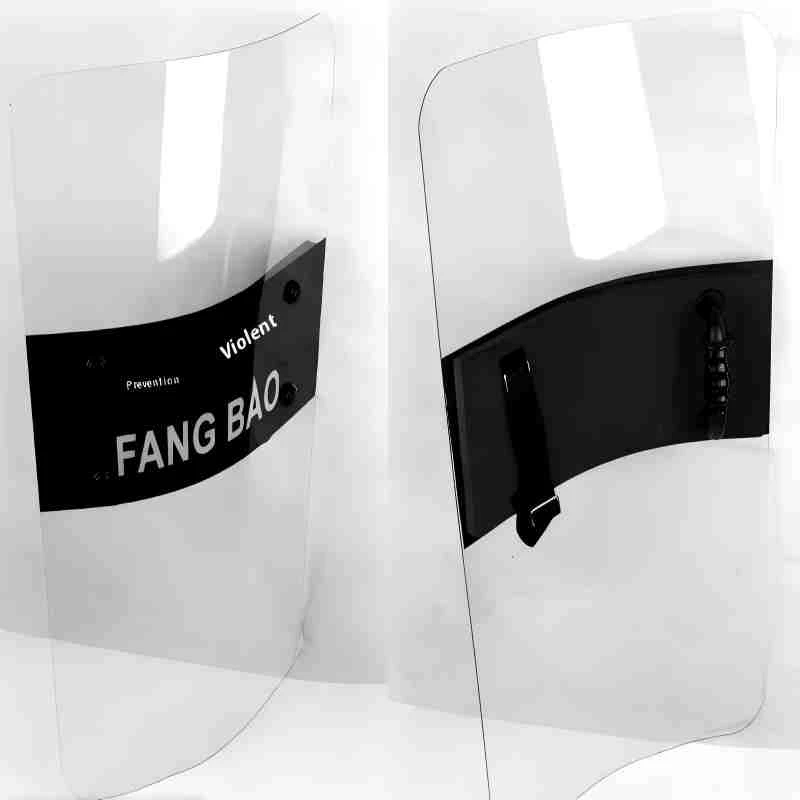
Heat the entire PC sheet in an oven until pliable, then form it over a 3D mold. Used for complex curved parts (dome guards, curved displays, medical enclosures).
Key Steps
- Pre-dry PC sheet (80–100°C for 2–4 hours) to prevent moisture bubbles.
- Heat the sheet in a convection oven to 160–180°C.
- Quickly transfer to a mold and apply vacuum/pressure to form.
- Cool and trim excess material.
5. Common Mistakes & How to Avoid Them
- ❌ Overheating → Bubbling/yellowing: Use a temperature gun; stay within 155–165°C.
- ❌ Uneven heating → Cracking/warping: Move heat source steadily; use double-sided heating for thick PC.
- ❌ Insufficient bend radius → Stress cracks: Follow 150× thickness rule; test with scrap first.
- ❌ No springback compensation → Angle inaccuracy: Over-bend by 5–10°.
Professional Polycarbonate Bending Services by Yoochen Plastic
At Suzhou Yucheng Board Industry Co., Ltd., we specialize in polycarbonate fabrication services, including:
- CNC cutting
- drilling
- cold bending
- heat bending
- assembly
- custom protective covers
- OEM plastic products
We help customers achieve high-quality bending results without cracking, even for complex industrial applications.
Whether you need:
- machine guard panels
- transparent covers
- curved enclosures
Our team provides custom plastic forming solutions from design to production.
Whether you need a single custom bent part or large-batch production, we deliver high-quality, durable PC components with precise dimensions and flawless finish.
Conclusion
Bending polycarbonate sheet is a balance of material science and skilled craftsmanship. Cold bending works for simple, large-radius curves; hot line bending delivers precision angles for industrial parts; thermoforming enables complex 3D shapes. By following the right methods and parameters, you can achieve strong, clear, and long-lasting bent PC components.
For professional results without the hassle of in-house equipment, partner with Yoochen Plastic—your trusted source for custom polycarbonate bending and fabrication.