




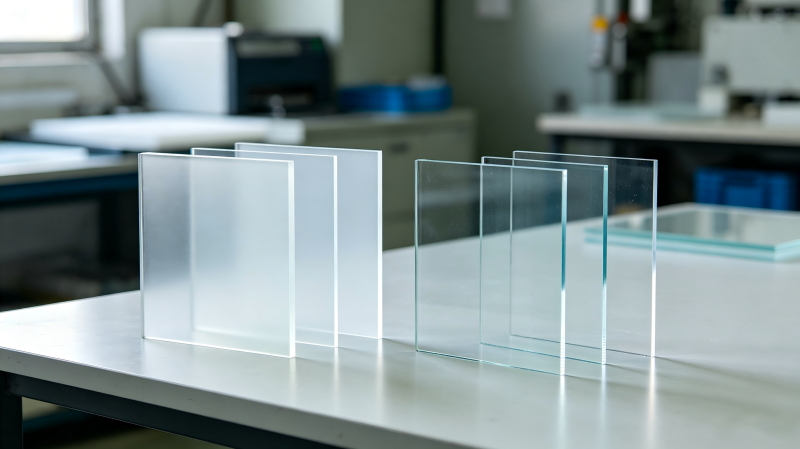
For product designers, procurement managers, lighting factory engineers, packaging manufacturers, decoration contractors and foreign trade suppliers, the most confusing material selection problem often appears between polycarbonate (PC) sheet and polystyrene (PS) sheet (including GPPS transparent polystyrene and HIPS high impact polystyrene).
Both two materials belong to transparent thermoplastic plastic sheets, widely used in indoor lighting diffusion panels, product packaging, temporary display boxes, equipment transparent covers, indoor ceiling light panels, and visible protective parts. Many buyers only judge materials by the single index of raw material price, blindly pick cheap PS sheet for all projects, and finally suffer huge economic losses such as product aging, cracking, after-sales return, rework and full batch replacement after mass production.
This full-dimensional comparison guide completely breaks down all core differences between PC sheet and PS sheet, centered on two major core dimensions: price cost system (raw sheet unit price + full life cycle total expense) and practical applicable scenarios, covering mechanical toughness, anti-impact performance, heat resistance, UV outdoor weatherability, cold & hot bending processing capacity, CNC laser cutting performance, flame retardant safety, electrical insulation, chemical solvent resistance, light transmittance, dimensional stability, recycling performance, and hundreds of real industrial, packaging, new energy, decoration, lighting application cases. All professional data are explained in simple daily words without complicated academic terminology. At the end of the article, we fully introduce our factory’s one-stop custom deep processing service for both PC and PS sheets, supported by our complete set of 2026 upgraded full-process workshop equipment, to help global customers complete finished parts without coordinating multiple separate material suppliers and processing factories.
Chapter 01 Basic Material Definition & Core Feature Quick Preview
1.1 What is Polycarbonate (PC) Sheet
Polycarbonate solid sheet (short name PC board, endurance sheet) is a high-performance engineering plastic extruded from polycarbonate resin, classified into standard transparent PC, double-sided UV weather-resistant outdoor PC, 3H-5H hard-coated anti-scratch PC, UL94 V0/V2 flame-retardant electrical-grade PC, frosted light diffusion PC sheet, with a thickness range from 0.125mm to 18mm.The most innate core advantage of PC material is ultra-high molecular toughness, the fundamental reason it completely surpasses PS sheet in impact resistance, temperature stability and long service life. It belongs to high-end durable transparent plastic material, suitable for long-term use, safety protection, high temperature and outdoor exposed environments.
1.2 What is Polystyrene (PS) Sheet (GPPS & HIPS Two Main Grades)
PS polystyrene sheet is general-purpose low-cost thermoplastic, divided into two mainstream industrial grades:
- GPPS General Purpose Polystyrene: Fully transparent, high surface gloss, ultra-low raw cost, but extremely brittle without any rubber modification, slight impact will crack completely, heat deformation temperature only 70℃, poor UV resistance, easy to yellow rapidly after sunlight exposure.
- HIPS High Impact Polystyrene: Added butadiene rubber modifier to slightly lift toughness, but still far less tough than PC sheet, opaque matte surface, cannot achieve high transparency, better printing performance for packaging printing, heat resistance and weatherability still keep the same weak level as GPPS.
PS sheet’s absolute core competitive advantage is low raw material cost and simple high-speed mass molding, only suitable for short-cycle indoor closed environments with zero impact risk, zero high temperature and zero outdoor UV exposure.
1.3 Quick Pros & Cons Summary Table Preview
Core Strengths of Polycarbonate (PC) Sheet
✅ Impact resistance is 20–30 times higher than PS sheet, almost unbreakable
✅ Continuous stable working temperature: -40℃ ~ +120℃, no permanent thermal deformation
✅ Double-sided UV co-extrusion grade supports 10–15 years outdoor service without severe yellowing
✅ Supports room temperature cold bending without heating, no cracking after standard arc forming
✅ Customizable UL94 V0 highest flame retardant grade, self-extinguishing without dripping flame
✅ Excellent volume resistivity & dielectric strength, qualified for electrical insulation and new energy battery parts
✅ Hard-coated version achieves 3H scratch resistance, suitable for high-frequency public touch equipment
✅ Long service cycle, low annual average full lifecycle cost for long-term projects
Main Weaknesses of PC Sheet
❌ Raw material unit price is 30%–80% higher than standard GPPS PS sheet on flat thin board basis
❌ Uncoated bare PC surface only reaches 2B pencil hardness, easy to leave scratches without hard coating
❌ Higher melting processing temperature, slightly higher energy consumption during thermoforming than PS
Core Strengths of PS Polystyrene Sheet (GPPS+HIPS)
✅ Lowest raw material cost among all transparent optical plastics, mass production greatly reduces initial material budget
✅ Excellent melt fluidity, ultra-high-speed injection, extrusion and vacuum thermoforming, short production cycle for mass orders
✅ GPPS reaches 88–91% light transmittance, high surface gloss for indoor light diffusion panels
✅ Low forming shrinkage rate, stable flat dimension for thin flat disposable packaging
✅ Easy silk screen printing and offset printing, clear ink adhesion on HIPS matte surface
Main Weaknesses of PS Sheet
❌ Extremely brittle, no cold bending capacity, any room temperature bending will produce penetrating cracks and scrap
❌ Long-term working temperature cannot exceed 60–70℃, softens and warps rapidly under above 75℃ environment
❌ Zero natural UV resistance, unmodified PS sheet yellows, becomes brittle and cracks within 6 months outdoor exposure
❌ Poor flame retardant performance, standard PS is UL94 HB flammable grade, burns with thick toxic black smoke and molten dripping fire
❌ Bad chemical resistance, easily corroded and generates stress crack after contacting alcohol, ketone, weak disinfectant
❌ Short service life, needs full replacement within 1–3 years even for indoor semi-exposed environments
Chapter 02 Full Price System Comparison: Raw Unit Price VS Full Lifecycle Total Cost
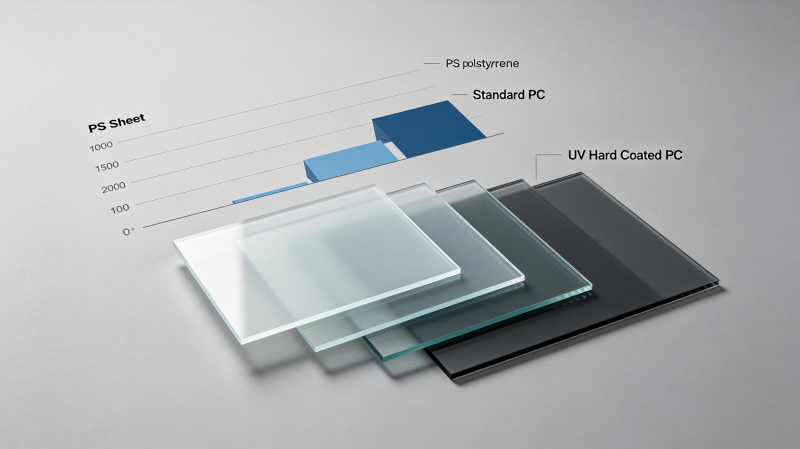
Most procurement staff only compare the single raw sheet square meter price and ignore post-production maintenance, replacement, labor disassembly and rework loss, which causes far higher total expenditure after 2–5 years of project operation. We split price analysis into two independent dimensions: short-term raw material purchase cost and long-term full lifecycle comprehensive expense.
2.1 Short-Term Raw Material Flat Sheet Unit Price Comparison (1–3mm uncoated flat sheet, standard transparent grade)
- GPPS transparent PS sheet: The cheapest base price, benchmark reference cost, taken as 100% cost baseline
- HIPS opaque high impact PS sheet: Raw cost 5%–15% higher than GPPS, still much cheaper than PC
- Standard uncoated transparent PC sheet: Raw material price 35%–60% higher than GPPS PS sheet
- Double-sided UV weather-resistant PC sheet: Cost 60%–90% higher than ordinary GPPS
- UV + 3H hard coated premium PC sheet: Unit price 80%–120% higher than basic GPPS polystyrene sheet
Data explanation: For simple thin flat indoor disposable packaging, small short-cycle light box diffuser panels with zero collision risk, choosing PS sheet can directly cut down initial raw material procurement fund, which is the only cost advantage of PS material.
2.2 Long-Term Full Lifecycle Total Expense Calculation (Two Typical Project Examples)
Example 1: Outdoor advertising light box project, expected 10 years service demand
- Scheme A: Double-sided UV weather-resistant PC sheet
Initial purchase cost is higher, outdoor stable service life 10–15 years, no replacement, no maintenance labor expense within 10 years, average annual cost extremely low, zero after-sales quality complaint risk.
- Scheme B: Standard GPPS PS sheet
Low one-time raw purchase cost, but after 6–12 months outdoor sunlight exposure, serious yellowing, surface cracking, light diffusion failure, need full batch replacement within 1 year. Within 10 years, repeated material purchase, disassembly and reinstall labor cost accumulate continuously, total 10-year comprehensive expenditure reaches 6–9 times the total cost of PC sheet solution. Meanwhile, customer returns and brand reputation loss cannot be quantified by money.
Example 2: Indoor supermarket ceiling light diffuser panel, shopping mall 8-year operation cycle
- Scheme A: Frosted light diffusion PC sheet
Slightly higher initial cost, indoor stable use 8–12 years, no yellowing, no brittle cracking, only simple cleaning maintenance required, no whole panel replacement needed during mall operation period.
- Scheme B: Frosted GPPS PS sheet
Cheap upfront cost, but after 2–3 years indoor long-term light radiation and temperature circulation, PS sheet gradually yellows, becomes fragile, easy to crack during maintenance disassembly, needs partial replacement every 2 years, cumulative material and construction labor cost exceed PC solution after 4 years.
2.3 Mass Custom Processing Cost Difference
- Thin flat simple cutting parts, disposable packaging vacuum blister: PS sheet processing scrap rate below 3%, low processing energy consumption, total finished processing cost lower than PC, suitable for millions of mass disposable orders.
- Curved arch forming parts, thick safety protection panels, high-temperature electrical insulation components, outdoor weather-resistant structural panels: PC overall processing cost more economical, PS curved forming scrap rate over 40% due to brittleness, and rework waste raises total finished product price sharply.
- High-precision dense small hole drilling, multi-layer complex CNC engraving: PC sheet maintains toughness without edge chipping; PS thin plate easily breaks around hole edges, increases manual trimming labor cost.
Chapter 03 Mechanical Performance Contrast: Impact Toughness, Brittleness & Structural Stability
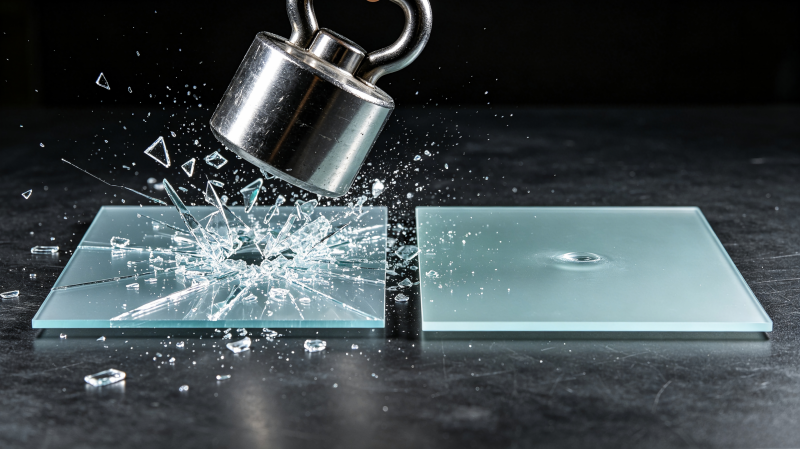
Impact resistance and material toughness form the biggest performance dividing line between PC and PS sheet, this gap cannot be eliminated by any surface coating, color modification or additive adjustment.
3.1 Standard Impact Drop Test Data & Real Scene Performance
Unified test standard: 3kg solid metal weight free fall from 2 meters height onto 3mm thickness flat sheet:
- PC polycarbonate sheet: Only tiny shallow indentation on impact surface, no penetrating crack, no fragment separation, can still keep complete structural performance after repeated multiple heavy hits.
- GPPS transparent PS sheet: Completely shattered into dozens of sharp small fragments after single drop impact, loses all use function instantly.
- HIPS modified high impact PS sheet: Will generate large through crack after one heavy drop, cannot restore flat shape, only slightly better than GPPS, still cannot bear regular accidental collision.
Daily scene practical differentiation:
- Any product with possible accidental collision, human bump, tool scratch, hail impact, falling heavy objects: Must select PC sheet, PS sheet cannot meet safety service life demand.
- Fully closed static indoor products with zero collision possibility, disposable single-use packaging without repeated disassembly: PS sheet can be adopted to save cost.
3.2 Tensile & Bending Structural Strength
- PC sheet tensile strength: 60–70MPa, maintains stable structural rigidity under long-term load, will not creep or sag for many years.
- GPPS PS tensile strength: 40–50MPa, thin PS panel easily deforms and sags under its own weight after long-time installation, cannot bear any external load force.
- HIPS PS tensile strength: 45–55MPa, still obvious gap compared with PC, cannot be used for load-bearing structural transparent parts.
3.3 Low Temperature Brittleness Test
At -10℃ low temperature environment:
- PC sheet still retains original toughness, impact strength only drops 8–12%, no brittle cracking risk in cold northern indoor and semi-outdoor spaces.
- PS sheet (GPPS & HIPS) impact strength decreases over 60% under -10℃, slight touch or vibration will cause cracking, absolutely cannot be used in low-temperature environment equipment and northern cold area projects.
Chapter 04 Heat Resistance & Thermal Deformation Performance
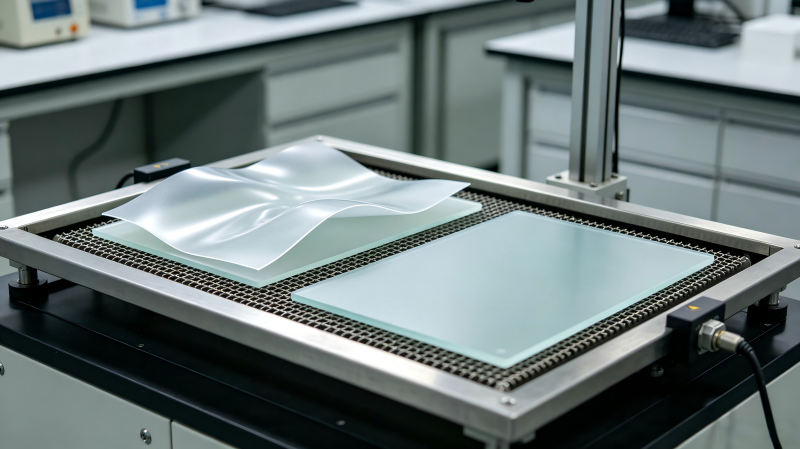
Continuous service temperature upper limit directly determines which material can be applied around heat-generating equipment, lighting fixtures, electrical cabinets and high-temperature semi-enclosed spaces.
4.1 Standard Temperature Resistance Parameter Comparison
- Polycarbonate (PC) sheet: Long-term stable use temperature range -40℃ ~ +120℃, short instantaneous peak temperature withstand up to 135℃, no permanent warping deformation, insulation performance will not decline after long-term heating.
- GPPS / HIPS polystyrene (PS) sheet: Safe continuous working temperature only 0℃ ~ +60℃, once environment temperature exceeds 70℃, the panel will soften, arch and generate irreversible thermal deformation, separate from installation fixed frames, even melt and stick to light source surface when close to lamps.
4.2 Typical Temperature Scenario Material Selection Rules
- High heat surrounding parts: LED high-power light source back diffuser, inverter insulation baffle, power supply box transparent observation window, EV battery internal separation plate, automotive interior lighting lens — Only PC sheet can qualify, PS sheet will deform rapidly under long-term heat radiation.
- Low-power small lamp sealed light box, low heat ceiling light panels with temperature below 50℃ all year round: Both PC and PS sheet can work normally, select PS if cost saving is top priority.
- Northern winter cold semi-outdoor equipment, ventilation equipment with large temperature difference between day and night: Only PC sheet can keep stable toughness, PS sheet becomes fragile and easy to crack under temperature fluctuation.
Chapter 05 UV Weather Resistance & Anti-Yellowing Outdoor Service Life
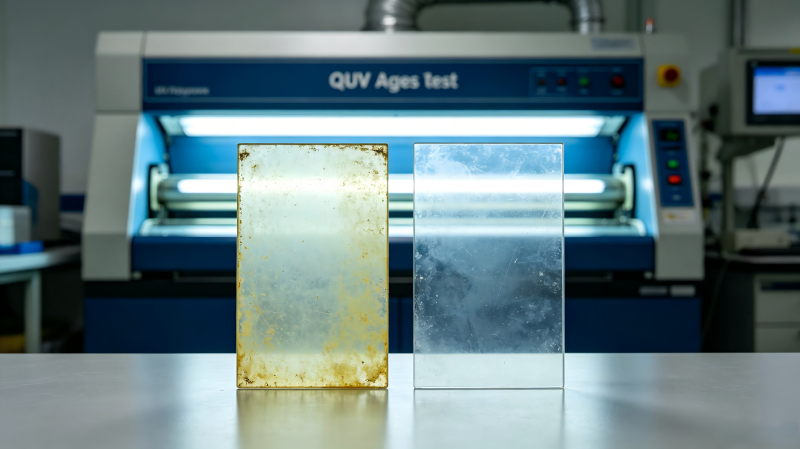
This chapter completely distinguishes indoor-only PS sheet and indoor-outdoor dual-purpose UV stabilized PC sheet, which is the most frequent material selection mistake for new buyers with outdoor project demands.
5.1 QUV Accelerated UV Aging Test Result (2000 hours test, equivalent to 5–8 years natural sunlight exposure)
- Double-sided co-extrusion UV protective PC sheet: Yellowing index ΔE < 5, slight surface gloss reduction only, impact strength retains above 80% of original value, factory official warranty 10–15 years outdoor service life without obvious aging.
- Standard unmodified GPPS & HIPS PS sheet: Yellowing index ΔE > 20 after 2000h UV test, serious amber discoloration, material brittleness surges, impact strength drops below 25%, slight wind vibration will crack the whole panel, outdoor service life only 6–12 months before full replacement required.
- Single-sided UV-coated PC sheet: If uncoated surface faces direct sunlight, will slowly yellow within 2–3 years, suitable for indoor window indirect light but not full outdoor exposure.
- Modified UV-stabilized PS sheet: Even with UV additives, maximum stable outdoor service life cannot exceed 2 years, yellowing and cracking cannot be avoided fundamentally, cost increase after modification almost narrows the original PS price advantage against PC sheet.
5.2 Climate Environment Matching Division
- Tropical coastal high sunlight + salt spray environment: Only double-sided UV PC sheet is available, any grade PS sheet fails within one year.
- Temperate zone four-season outdoor shelters, carport roofing, outdoor charging pile panels, street light box covers: Must choose UV PC sheet, PS sheet completely unqualified.
- Indoor fully closed environment without direct sunlight, no window light irradiation: PS sheet can be safely used within 1–3 years service cycle; if indoor service demand exceeds 5 years, select single-sided UV PC sheet to prevent slow yellowing from long-term artificial light radiation.
Chapter 06 Processing Performance Full Contrast: Cold Bending, Hot Forming, CNC & Laser Cutting
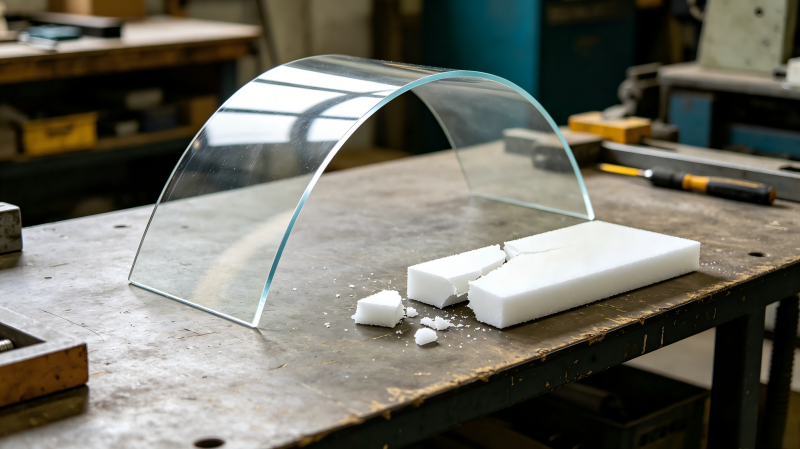
Processing forming capacity directly affects custom parts production difficulty, scrap rate and finished product cost, especially projects requiring curved arch, three-dimensional vacuum blister and special-shaped CNC cutting.
6.1 Cold Bending Capacity (Largest Processing Performance Gap)
- Polycarbonate (PC) sheet: Supports room temperature cold bending without heating, minimum bending radius only needs 1.5 times sheet thickness, standard cold bend will not generate surface crack; hard-coated UV PC panel coating will not peel after normal cold forming. Our workshop equips 5 dedicated cold bending machines for mass production of curved PC protective covers, arched shelter panels, curved charging pile outer casings, which cannot be produced with PS sheet at all.
- Polystyrene PS sheet (GPPS & HIPS): Completely impossible to realize any cold bending forming. Any room temperature bending force will create deep penetrating cracks on the panel surface, scrap rate reaches 100% for cold bend parts, only small-radius heating hot bending can be tried with extremely high reject rate. All projects needing curved arch components cannot select PS sheet, must adopt PC sheet to avoid full batch production waste.
6.2 Vacuum Thermoforming & Hot Molding
- PC sheet: Wide hot forming temperature window, uniform material thickness after deep drawing molding, not easy to produce thin weak area on curved corners, suitable for large deep-drawn 3D protective housings, supported by our 2 sets vacuum thermoforming machines for complex PC shell mass production.
- PS sheet: Low softening temperature, only suitable for shallow thin disposable packaging blister (food box, cosmetic tray, supermarket plastic container). Deep large-size three-dimensional forming will generate uneven thickness, corner cracking, high scrap rate, only cost-effective for millions of simple shallow blister mass orders.
6.3 CNC Laser Cutting, Precision Drilling & Edge Polishing
Both materials support CNC engraving, laser blanking, multi-specification hole drilling and edge deburring, our 6 CNC routers and 5 laser cutting machines can process both materials with tolerance controlled within ±0.1mm, but there are obvious practical processing differences:
- PS sheet processing advantage: Low melting point, fast laser cutting speed, high production efficiency for simple flat thin sheet mass orders, HIPS matte surface accepts silk screen printing ink more stably for packaging decorative patterns.
- PC sheet processing advantage: No edge yellowing during high-power laser cutting, thin sheet dense small hole drilling will not generate edge chipping and breakage, polished edge remains transparent without discoloration, thick safety guard panels maintain toughness after cutting without easy breakage during assembly.
Chapter 07 Flame Retardant Fire Safety & Electrical Insulation Performance
For electrical equipment, new energy battery components, public building ceiling light panels, fire safety and insulation performance are mandatory safety standards, PC and PS have huge gap in this two indicators.
7.1 Flame Retardant Burning Performance Test
- Polycarbonate (PC) sheet: Customizable UL94 V0 highest flame retardant grade. After ignition, self-extinguishes within 10 seconds, no flaming molten droplets that ignite surrounding combustible objects, thin smoke low-toxicity combustion gas, reaches construction B1 national fire resistance standard, qualified for public facility and new energy high-fire-risk projects. Standard unmodified PC also reaches UL94 V2 self-extinguishing grade without continuous burning.
- Standard GPPS & HIPS PS sheet: Only UL94 HB flammable grade, keeps burning continuously after removing external fire source, generates large amount of thick black toxic smoke, molten dripping flame droplets will ignite surrounding paper, plastic, fabric and other combustibles, cannot pass B1 building fire test, forbidden for public building ceiling panels, battery and charging equipment internal parts.
- Flame retardant modified PS sheet: Even with flame retardant additives added, it can only reach UL94 V2 grade at maximum, cannot achieve V0, modification cost greatly reduces PS raw material price advantage, still cannot eliminate toxic black smoke during combustion.
7.2 Electrical Insulation, Dielectric Strength & Arc Resistance
For battery insulation separators, charging pile internal baffles, high voltage test equipment shields, electrical cabinet transparent observation windows, insulation performance is a non-negotiable safety requirement:
- Volume Resistivity (internal insulation blocking current capacity):
- PC sheet: >10¹⁶ Ω·cm, still stable above 10¹⁵ Ω·cm under 85℃ / 85%RH high temperature high humidity environment, no surface leakage risk in humid electrical equipment.
- PS sheet: 10¹³ ~ 10¹⁴ Ω·cm, insulation resistance drops sharply after absorbing moisture, easy to generate surface leakage current in humid electrical cabinets, hidden electric shock risk.
- Dielectric Breakdown Strength (high voltage withstand limit):
- PC sheet: 30–40 kV/mm, can bear medium and high voltage insulation demand for new energy 800V battery systems.
- PS sheet: Only 14–19 kV/mm, half of PC’s high-voltage resistance limit, only suitable for low-voltage 36V static light box decoration without live components behind the panel.
- Arc Resistance (anti-short circuit electric arc burning):
- PC sheet: 120 seconds anti-arc time, enough time for safety circuit breaker to cut power during a short-circuit spark, reduce fire hazard.
- PS sheet: Only 50–75 seconds anti-arc performance, easily burned through to form conductive carbon track under continuous electric arc, greatly raises electrical fire risk.
Chapter 08 Chemical Solvent Resistance & Daily Maintenance Difference
Different disinfectants, industrial cleaning agents, food grease and cosmetic solvents will produce completely different corrosion effects on PC and PS sheet, directly affecting product service life and surface appearance.
8.1 Polycarbonate (PC) Sheet Chemical Compatibility
- Resistant substances: Neutral soapy water, medical alcohol, isopropanol, dilute weak acid and weak alkali public disinfectants, daily food oil and cream, suitable for frequently disinfected shared charging equipment, food processing isolation panels.
- Corroded substances: Acetone, dichloromethane strong ketone/chlorinated solvents, concentrated strong acid and strong alkali; hard-coated PC sheet surface coating isolates most weak corrosive cleaning liquids, greatly improves daily maintenance resistance.
8.2 Polystyrene (PS) Sheet Chemical Compatibility
- Resistant substances: Pure clean water, neutral low-concentration water-based detergent only.
- Corroded substances: Alcohol long-time wiping, all ketone, ester organic solvents, common supermarket disinfectant sprays, cosmetic essential oil, food vinegar and fruit acid; repeated wiping with alcohol disinfectant will leave permanent foggy micro-crack marks on PS surface, absolutely not applicable for medical, catering, shared public disinfection equipment.
8.3 Daily Cleaning Maintenance Operation Tips
- PC sheet daily maintenance: Wipe with soft microfiber cloth mixed neutral mild detergent, alcohol can be used for regular disinfection of hard-coated PC without surface fogging risk. Avoid abrasive scouring pads and strong ketone solvents.
- PS sheet daily maintenance: Only use water-based neutral cleaner for light wiping, prohibit any alcohol disinfection, heavy scrubbing and contact with cosmetic, acidic food packaging raw materials, otherwise surface permanent damage cannot be repaired.
Chapter 09 Full Classification of Suitable Practical Application Scenarios
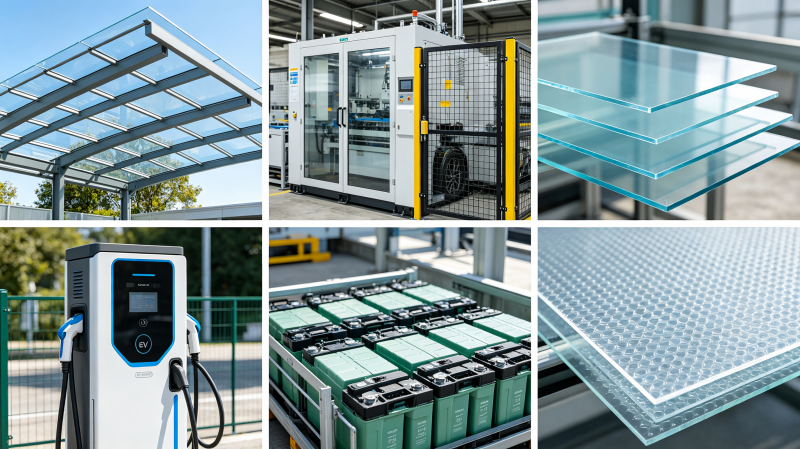
We divide all industrial application fields into three clear categories: scenarios only recommend PC sheet, scenarios PS sheet is the best cost-effective choice, neutral dual-material optional scenarios with selection standards.
9.1 Scenarios Where Polycarbonate (PC) Sheet Is The Only Qualified Material
- All outdoor exposed structural transparent panels: Carport skylight roofing, EV charging station front display panel, bus station shelter transparent wall, outdoor street advertising light box, agricultural greenhouse daylighting board, garden outdoor partition barrier
- Safety impact protection equipment: CNC machine transparent safety guard, anti-hail agricultural panel, children activity area isolation baffle, factory production line splash shield, public anti-vandalism transparent barrier
- New energy vehicle & power electrical equipment: Lithium battery insulation separator plate, automotive instrument lens, curved charging gun protective cover, solar inverter internal insulation baffle, high-voltage test equipment housing
- High-temperature enclosed equipment interior parts: High-power LED heat light box back plate, electrical cabinet transparent observation window, kitchen equipment heat insulation isolation panel
- Low-temperature northern semi-outdoor facilities, coastal salt spray high humidity environment, shared public equipment requiring frequent alcohol disinfection
- Custom products needing cold bending arch, large deep-drawn three-dimensional protective shell forming
- Public building ceiling light panels, school indoor safety isolation partitions requiring UL94 V0 flame retardant certification
9.2 Scenarios Where Polystyrene (PS) Sheet Is The Most Cost-Effective Optimal Choice
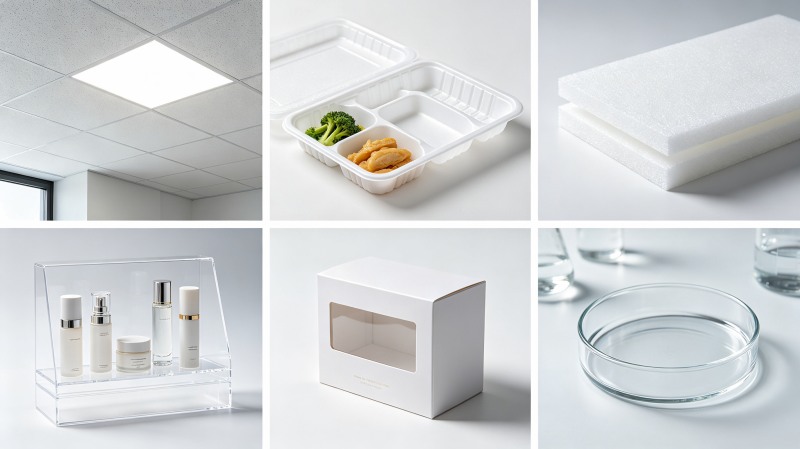
- Short-cycle fully closed indoor disposable packaging: Food plastic lunch box, cosmetic blister tray, supermarket commodity display transparent box, laboratory one-time culture dish, CD/DVD plastic storage case
- Low-power low-heat indoor ceiling light diffuser panels, shopping mall short-term temporary exhibition booth light box, indoor small static light box without window direct sunlight, service cycle only 1–3 years
- Flat thin simple printing decorative panels, indoor wall matte decorative partition with zero collision risk, no heavy object contact possibility all year round
- Mass millions-level shallow vacuum blister mass production orders, strict raw material budget control demand, no long-term after-sales maintenance plan
- Indoor closed low-voltage light box decorative cover without live electrical components behind the panel, no high-temperature heat source around the light box
9.3 Dual Material Optional Neutral Scenarios (Select According To Budget & Service Cycle Demand)
Fully closed indoor equipment flat cover with zero collision risk, small household appliance transparent decorative panel, indoor sealed light box without sunlight irradiation:
- If customer pursues ultra-low initial raw material cost, service cycle within 3 years, zero high temperature and disinfection demand: Choose GPPS / HIPS PS sheet
- If customer expects service life over 5 years, occasional accidental collision risk exists, light box power is high heat, or need to reserve curved forming modification possibility later: Select single-sided UV stabilized PC sheet
Chapter 10 Common Wrong Material Selection Mistakes & Corresponding Economic Loss Analysis
A large number of global procurement buyers suffer heavy losses due to confusing PC and PS material performance, we summarize the 6 most frequent wrong selection mistakes and clear correction solutions.
Mistake 1: Using PS polystyrene sheet for outdoor charging pile, carport and outdoor light box projects
Loss consequence: PS sheet serious yellowing, surface brittle cracking within 6–12 months outdoor sunlight exposure, full batch panel replacement required, repeated raw material procurement and disassembly reinstall labor cost surge, customer product quality complaint and brand reputation loss.Correct fix: All outdoor exposed transparent structural panels must adopt double-sided UV co-extrusion weather-resistant PC sheet, PS sheet forbidden for any outdoor exposure project.
Mistake 2: Adopting PS sheet for high-power high-heat LED light box and electrical cabinet internal baffle
Loss consequence: Long-term light source heating makes PS sheet soften, arch and deform, even melt and stick to lamp beads, hidden fire hazard, cannot pass international electrical and fire safety certification, batch products rejected by inspection.Correct fix: All heat-generating lighting and electrical equipment transparent parts must select heat-resistant PC sheet with UL94 V0 flame retardant grade.
Mistake 3: Trying cold bending PS sheet to save raw material budget cost
Loss consequence: 40%–70% processing scrap rate during forming production, total finished processing cost far exceeds the original PC raw material price difference, mass production delivery date delayed heavily, large order penalty loss occurs.Correct fix: Any project requiring curved arch forming parts unconditionally select cold bendable polycarbonate (PC) sheet, abandon PS sheet completely.
Mistake 4: Using PS sheet for school, playground and public safety isolation barrier
Loss consequence: One accidental student or pedestrian heavy impact shatters PS sheet into sharp broken fragments, causes physical injury accident, brings huge product liability compensation risk and brand negative public opinion.Correct fix: All public safety protection transparent barriers must use high impact toughness PC sheet, brittle PS sheet cannot meet safety standard.
Mistake 5: Selecting PS sheet for shared self-service equipment requiring regular alcohol disinfection
Loss consequence: After 2–4 months daily alcohol wiping disinfection, PS panel surface covered with foggy micro cracks, product appearance scrapped, and the after-sales replacement rate is high.Correct fix: All public shared equipment touch panels adopt hard-coated anti-solvent PC sheet, PS sheet cannot resist repeated alcohol disinfection cleaning.
Mistake 6: Choosing PS sheet for new energy battery and medium-high voltage insulation components
Loss consequence: PS sheet poor high temperature insulation performance, long-term battery working heat reduces insulation resistance, hidden electric leakage and fire risk, product fails electrical safety certification and cannot enter global new energy market.Correct fix: All new energy battery, charging pile internal insulation parts use UL94 V0 flame retardant PC insulation sheet.
Chapter 11 Our Factory One-Stop Custom Deep Processing Service For PC & PS Sheet
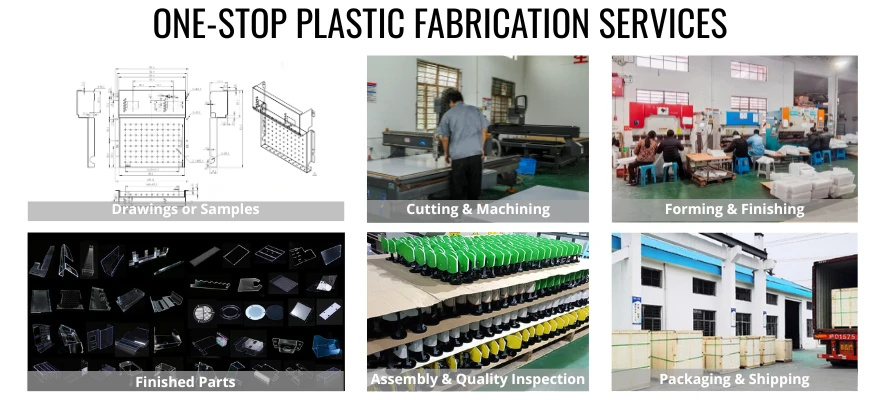
After fully distinguishing the huge performance and applicable scenario gap between polycarbonate (PC) sheet and polystyrene (PS) sheet, the next core demand of global customers is finding a reliable integrated manufacturer that can supply both two raw materials and complete all precision deep processing procedures in self-owned workshop, without outsourcing any process to third-party factories. Our factory is a professional PC & PS sheet production and custom processing manufacturer serving worldwide foreign trade customers, all full-set processing machines were fully upgraded and put into full-load operation in June 2026.
11.1 Complete Production & Deep Processing Equipment Scale
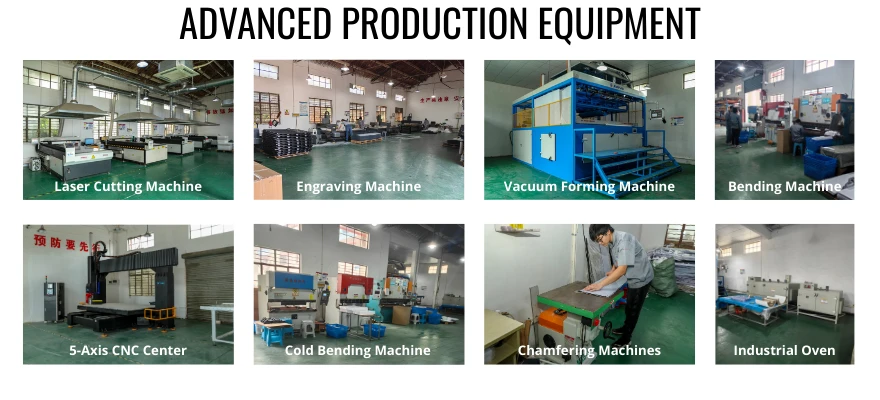
Our production workshop equips full range of processing machines covering all procedures from raw sheet fixed-size cutting to finished product export shockproof packaging:
- 6 sets CNC engraving routers: Precision cutting, pattern engraving, multi-spec hole & slot drilling for both PC and PS sheet, machining tolerance strictly controlled within ±0.1mm
- 5 sets special cold bending machines: Dedicated room-temperature cold forming for all thickness PC sheet, mass produce arched curved PC protective covers, charging pile outer panels, shelter skylight curved parts without surface coating peeling; cold bending function not applicable for PS sheet
- 5 sets high-speed laser cutting machines: Fast accurate blanking for complex special-shaped flat parts of PC and PS material, suitable for mass thin PS packaging blister cutting and thick PC safety guard contour blanking
- 2 vacuum thermoforming machines, 1 five-axis machining center, 3 hot bending machines, 3 special precise drilling machines
- Complete supporting surface & edge processing equipment: Edge mirror polishing machines, full-automatic silk screen printing lines, hard coating UV production lines, anti-glare/double-sided UV coating equipment, deburring grinding machines
All machines operate simultaneously at full capacity, we never outsource any cutting, bending, coating, printing process to external cooperative factories, every production link is monitored and inspected in our own workshop, to guarantee consistent stable product quality and controllable delivery cycle without outsourcing delay risk.
11.2 Full Series Raw Material Supply We Can Provide
Polycarbonate (PC) Sheet Full Product Line
- Standard transparent solid PC sheet, thickness range 0.125mm ~ 18mm, clear, smoke gray, black, milky white color options
- Double-sided UV co-extrusion outdoor weather-resistant PC board, factory official 10–15 years anti-yellowing warranty
- 3H–5H silicone hard coated anti-scratch PC sheet for high-frequency touch shared equipment
- UL94 V0 / V2 flame retardant electrical insulation grade PC board for new energy & electrical projects
- Frosted light diffusion PC sheet for high-power heat light boxes, anti-glare matte PC panel for display observation windows
Polystyrene (PS) Sheet Full Product Line (GPPS + HIPS Two Main Grades)
- GPPS fully transparent high-gloss PS sheet, thickness 1mm ~ 10mm, for indoor light diffuser panels, transparent disposable packaging blister
- HIPS matte opaque high impact modified PS sheet, excellent silk screen printing ink adhesion, for cosmetic, food packaging printing decorative panels
- Frosted light diffusion GPPS PS sheet, low-cost indoor low-heat ceiling light panel dedicated material
- Food contact FDA certified PS sheet for catering disposable food container raw material
- Custom colored, anti-static modified PS sheet according to customer special project demand
11.3 All-Inclusive Deep Processing Service Items Completed Inside Our Workshop
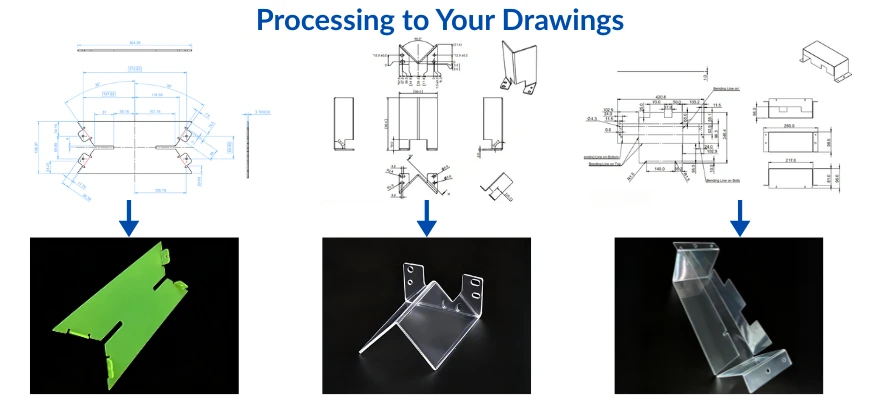
Customers only need to send design drawings (DXF/PDF), physical samples or detailed demand parameters, we will deliver fully finished ready-to-install parts without secondary processing by the customer:
- CNC precision cutting, laser blanking, irregular special-shaped contour forming for PC & PS sheet
- PC exclusive cold bending, PC/PS universal hot bending, vacuum thermoforming shallow blister packaging & deep 3D protective shell
- Precision multi-size drilling, countersunk hole, long slot processing, dense small hole array machining
- Edge polishing treatment: Mirror transparent polishing for acrylic and PS decorative parts, smooth deburred safety edge for PC impact protection panels
- Silk screen printing & pad printing custom service: Customer brand LOGO, safety warning text, operation instruction patterns, decorative color graphics
- Custom surface functional coating: Double-sided UV anti-yellow layer, 3H anti-scratch hard coat, anti-glare matte layer, anti-fog coating for PC sheet; simple anti-static coating available for PS sheet
- Export standard moisture-proof shock-proof foam carton packaging, support FOB / CIF / DDP global sea and air shipping arrangement, complete export customs clearance document supply
11.4 Core Advantages of Cooperating With Our Integrated Factory
- Dual material professional production capacity: We master complete processing technology of both PC and PS sheet, our engineering sales team can provide unbiased material selection suggestions according to customer’s project usage environment, collision risk, working temperature, outdoor UV exposure condition and raw material budget, help customers avoid wrong material selection heavy loss at the beginning of project design.
- Flexible order quantity support: Accept small sample trial orders (1–10 pcs), medium batch pilot production and large mass long-term cooperation bulk orders, implement the same strict full inspection quality standard regardless of order volume size.
- Fast stable delivery cycle: Full independent self-owned equipment production line without outsourcing links, sample production cycle 3–5 working days, bulk mass order production cycle 7–15 working days, no third-party factory delay risk.
- Mature global foreign trade service experience: Familiar with international export packaging standards, customs clearance certification documents, can supply CE, ROHS, REACH, UL, ISO9001, food contact FDA test reports for customer overseas project audit and product market access.
- Free professional after-sales technical support: Our engineering team provides free drawing optimization, material thickness recommendation, installation construction tip guidance, 24-hour online reply for all technical parameter and quotation inquiry problems.
11.5 Simple Cooperation Order Process
- Demand communication: Send us the project usage scene, required material type (PC or PS), finished product dimension, thickness, color, surface coating demand, processing craft type, order quantity, CAD/PDF drawing or physical sample picture, our sales engineer replies targeted material selection suggestions and detailed formal quotation within 24 hours.
- Sample confirmation: Arrange sample production strictly according to the confirmed material and processing plan, send physical samples to the customer for appearance, impact, light transmission, heat resistance performance verification, adjust processing details according to customer feedback until fully satisfied.
- Mass formal production: Sign official cooperation sales contract, lock material specification, processing standard and delivery date, regularly share workshop real-time production photos and video progress updates during mass production cycle.
- Finished product full inspection before shipment: 100% full dimensional tolerance, surface appearance and key performance test for all finished parts before packaging, completely eliminate defective goods mixed into shipment.
- Export packaging & logistics delivery: Pack finished parts with export standard moisture-shock-resistant foam and cartons, provide logistics tracking number after shipment, follow up whole transportation status until goods arrive customer designated destination warehouse.
Chapter 12 Long-Term Material Use & Daily Maintenance Standard Suggestions
12.1 Polycarbonate (PC) Sheet Maintenance Specification
- Daily cleaning operation: Mix neutral mild detergent with clean water, wipe surface with soft microfiber cloth, prohibit abrasive scouring pad, toothpaste and strong ketone solvent cleaners such as acetone. Hard coated PC touch panels can use medical alcohol and isopropanol for regular disinfection wiping without surface fogging corrosion.
- Outdoor UV PC panel maintenance: Conduct full surface inspection every year after storm or hail weather, check surface scratch and coating peeling condition, replace damaged parts timely to prevent further aging expansion.
- Flame retardant PC electrical insulation parts: Avoid long-term close contact with high-temperature heating components, reserve enough heat dissipation gap according to equipment design drawing.
12.2 Polystyrene (PS) Sheet Maintenance Specification
- Only use water-based neutral cleaning liquid for light surface wiping, completely prohibit repeated alcohol spray disinfection, long-time contact with acidic food, cosmetic essential oil and ketone solvent, otherwise permanent foggy corrosion microcracks will be generated on surface without repair possibility.
- Strictly avoid any heavy object impact during transportation, storage and installation, never attempt to bend PS sheet under room temperature environment, all forming must adopt low-temperature shallow hot blister only.
- Indoor PS light diffuser panels cannot be installed close to heat sources such as heating lamp tubes, air conditioner hot air outlets, electric heating equipment, to prevent thermal warping deformation and fire hidden danger.
Final Conclusion
After reading this full-dimensional complete comparison between polycarbonate (PC) sheet and polystyrene (PS) sheet centered on price cost and practical application scenarios, you can clearly sort out the core advantages and applicable limitation boundary of each material:
- Choose polystyrene (PS) sheet (GPPS/HIPS) only when your project meets all below conditions simultaneously: fully closed indoor zero direct sunlight environment, service cycle within 3 years, zero accidental collision risk, working temperature below 60℃ all year round, no need for cold bending arch forming, strict low raw material budget demand, disposable short-cycle packaging or static indoor decorative light box without heat source and live electrical components behind the panel. PS’s only competitive edge lies in low upfront raw material unit price for mass simple flat thin sheet orders with extremely low performance requirement standard.
- Choose polycarbonate (PC) sheet for all other projects including outdoor exposure, safety impact protection, high-temperature heat surrounding equipment, medium-high voltage electrical insulation, new energy battery parts, public shared disinfection equipment, curved cold bending forming products, long service cycle (over 5 years) indoor semi-exposed facilities, low-temperature northern and coastal salt spray humid environment, public construction flame retardant safety components. Although PC’s initial raw material purchase cost is higher than PS sheet, its ultra-long service life, stable comprehensive performance and zero frequent replacement maintenance loss greatly reduce total full lifecycle expenditure for long-term operation projects, fundamentally avoid batch rework, customer complaint and liability compensation risk caused by wrong material selection.
No matter which material your project finally confirms to adopt, our factory can provide complete raw sheet supply and full-set deep custom processing service supported by our full 2026 upgraded self-owned workshop equipment. We solve customers’ trouble of contacting separate material suppliers and independent processing factories respectively, realize a one-stop integrated solution from drawing design to finished export-qualified goods.
If you have any material selection confusion, drawing custom processing demand or quotation inquiry for PC sheet or PS sheet finished parts, welcome to send your CAD drawings, physical samples and detailed demand parameters to us at any time. Our professional engineering and foreign trade sales team will reply you within 24 hours with free targeted material selection guidance and competitive formal quotation, sincerely looking forward to establishing long-term stable win-win cooperative relations with global buyers from all industries!